
Blog
Your VR Store Simulator

How to replan the shelf after delisting a product
Removing a product leaves a shelf-planning decision. The approved range and fixture constrain the alternatives; a visual comparison and a focused shopper test answer different questions.

Are your stores using the latest planogram?
A compliance score needs the correct plan behind it. Check which revision applied, which one the store received and what the dated shelf evidence shows before assigning an execution failure.

How reliable is mobile retail execution data?
A shelf photograph supports a bounded observation. A network finding needs a defensible collection and analysis method. Check the distinction before acting on a field report.

Perfect store execution: what happens when the standard itself is wrong
Scores in the nineties, and a category that still will not move. Compliance scoring can tell you whether the standard was met in the aisle. It cannot tell you whether the standard was right before it was issued. Here is where a wrong one comes from, how you would test a standard before it ships, and what testing it does not fix.

Supermarket item placement: what decides where a product sits
Placement arguments are usually won by whoever sounds most certain about eye level. There is a better order to work in: what the category is there to do, how the shopper works through the bay, what the rate of sale has earned, and what the shelving will hold in practice. Our new piece sets out all four, with the evidence for each.

What is planogramming? The meaning, and what a planogram has to get right
Planogram, planograms, POG, schematic: all four name the same document, and the word for the work behind it has no dictionary entry at all. We settle the vocabulary first, then go past it. What the document has to state, why a plan that is correct can still be impossible to build, and what to do about that before the reset.
Can you trust your shelf planning software?
A range review can look finished while its inputs stay weak. Here is what retail and category teams should verify before approving a shelf plan.

A retail store design brief is a decision record, not a wish list
Most store design rework does not come from weak design. It comes from a brief that looked finished and left the hard trade-offs unmade. Here is what to settle, who should own each decision, and how to test the brief before the budget moves.

Planogram merchandising vs visual merchandising, and why one shelf needs one plan
Learn the difference between planogram merchandising and visual merchandising, where they overlap, and how one shared review improves retail execution.
Can a VR digital twin prevent a bad store rollout?
See how retail digital twins can reveal layout, fixture, and campaign risks before a store rollout reaches the network.
Retail store designer vs store design software vs VR simulation: which does what
Retail store designer, store design software, and VR each solve a different problem. What each does and how to combine them on real projects.
Packaging testing in virtual environments: validating shelf impact before production
How VR-based shelf impact testing captures behavioural pack data before production, where it fits in the design cycle, and what it cannot replace.
What planogram compliance actually costs when it breaks down
Most category review submissions stall because the buyer can’t see what the change looks like. Here’s how to build one that gets approved first time.
How to run a category review that retailers approve first time
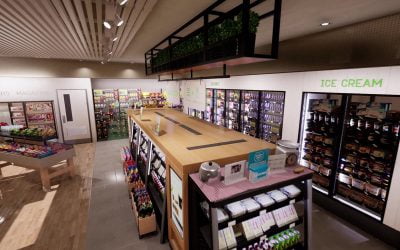
Most category review submissions stall because the buyer can’t see what the change looks like. Here’s how to build one that gets approved first time.
What goes into a retail store design at enterprise scale
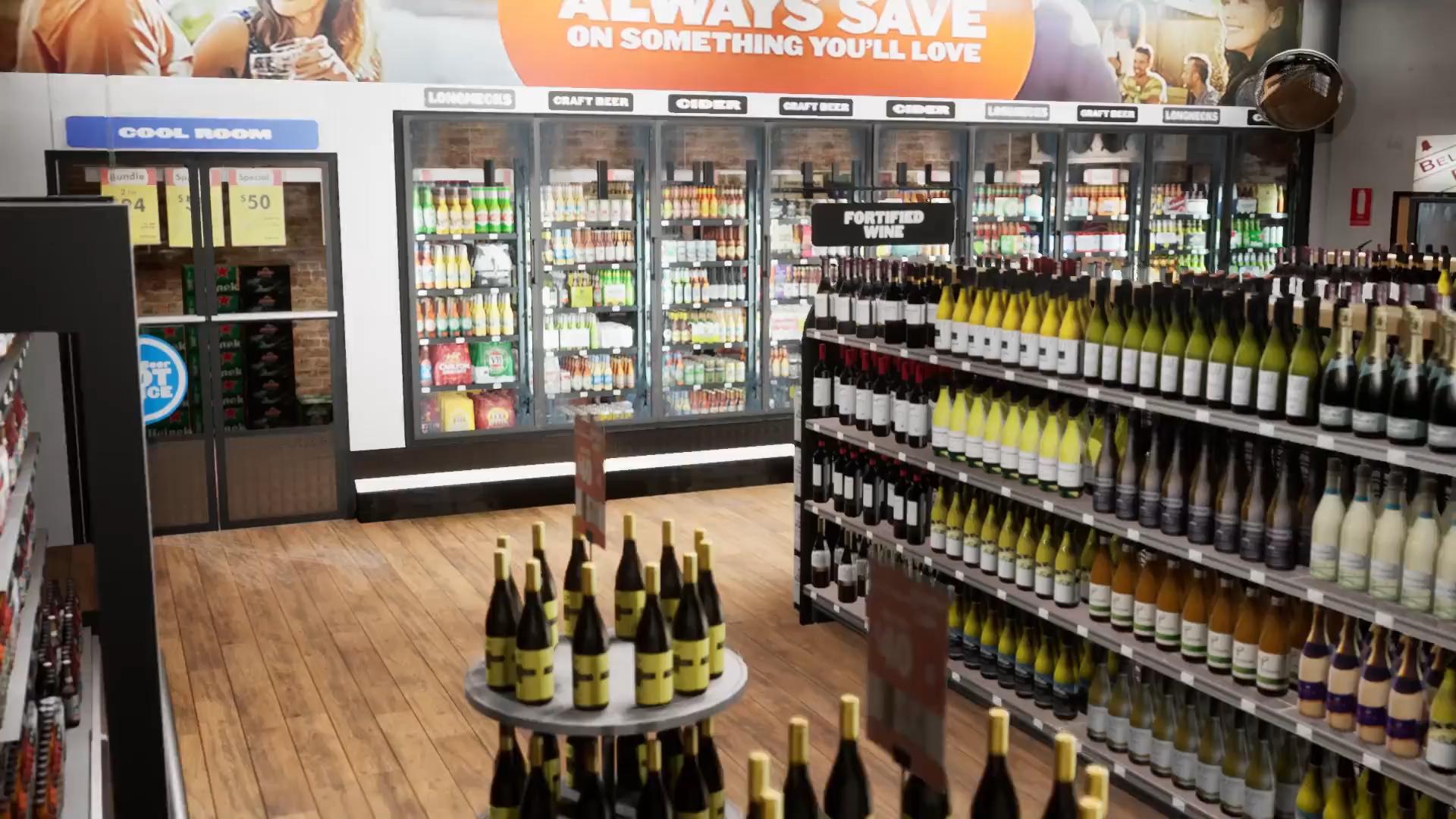
Enterprise retail store design involves data-driven spatial strategy, not just fixtures and finishes. Here is what the process actually covers.
Store design software closes the decision gap
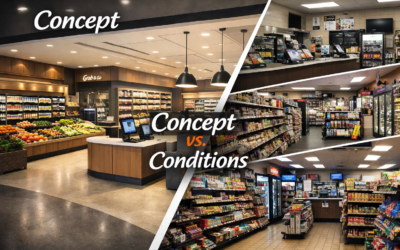
Most large retailers can develop a strong store concept. Fewer have a structured way to test whether that concept will survive format variation, cross-functional scrutiny, and rollout complexity before capital is committed. That is the gap store design software is built to close.

Shelf planning vs planogram software at scale
The shift from shelf planning to planogram software looks like a tools question from the outside. Inside a large retail organisation, it forces a harder conversation about how category decisions are governed at scale.
How 3D store software speeds retail approvals
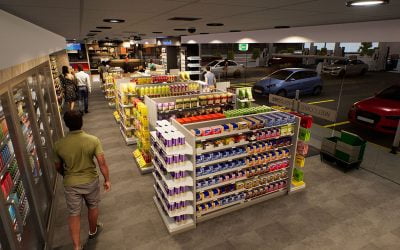
Senior retail teams lose time and organisational energy when store approvals stall. 3D store software compresses the gap between concept and context, giving every stakeholder the same spatial reality to evaluate before execution costs escalate.
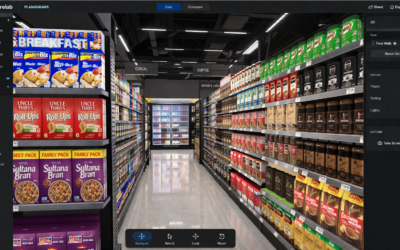
Virtual store software that pays for itself before rollout
Most retail planning still happens in slide decks and spreadsheets. Virtual store software brings the store into the room while decisions are still being shaped, changing how teams align, approve and execute.
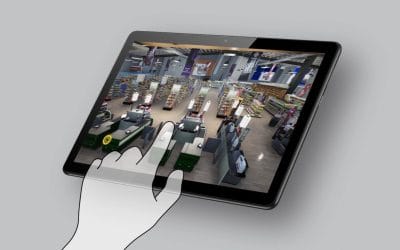
Before You Bet the Shelf, Check Virtual Research Reliability
Most FMCG launches fail within two years. The ones that survive tend to share one thing in common: someone tested the decision properly before committing the budget. There is a...
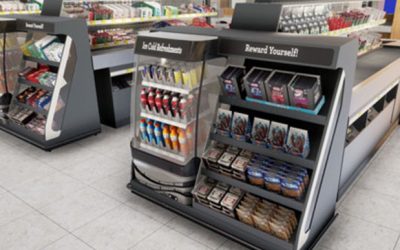
The Rehearsal Room: Virtual Stores for Retail Training
Why Australia’s sharpest retail operators are training teams in virtual stores before touching a single shelf Walk into any two branches of the same retail chain and you will...