

Measuring the Impact of In-Store Displays Before They Hit the Floor
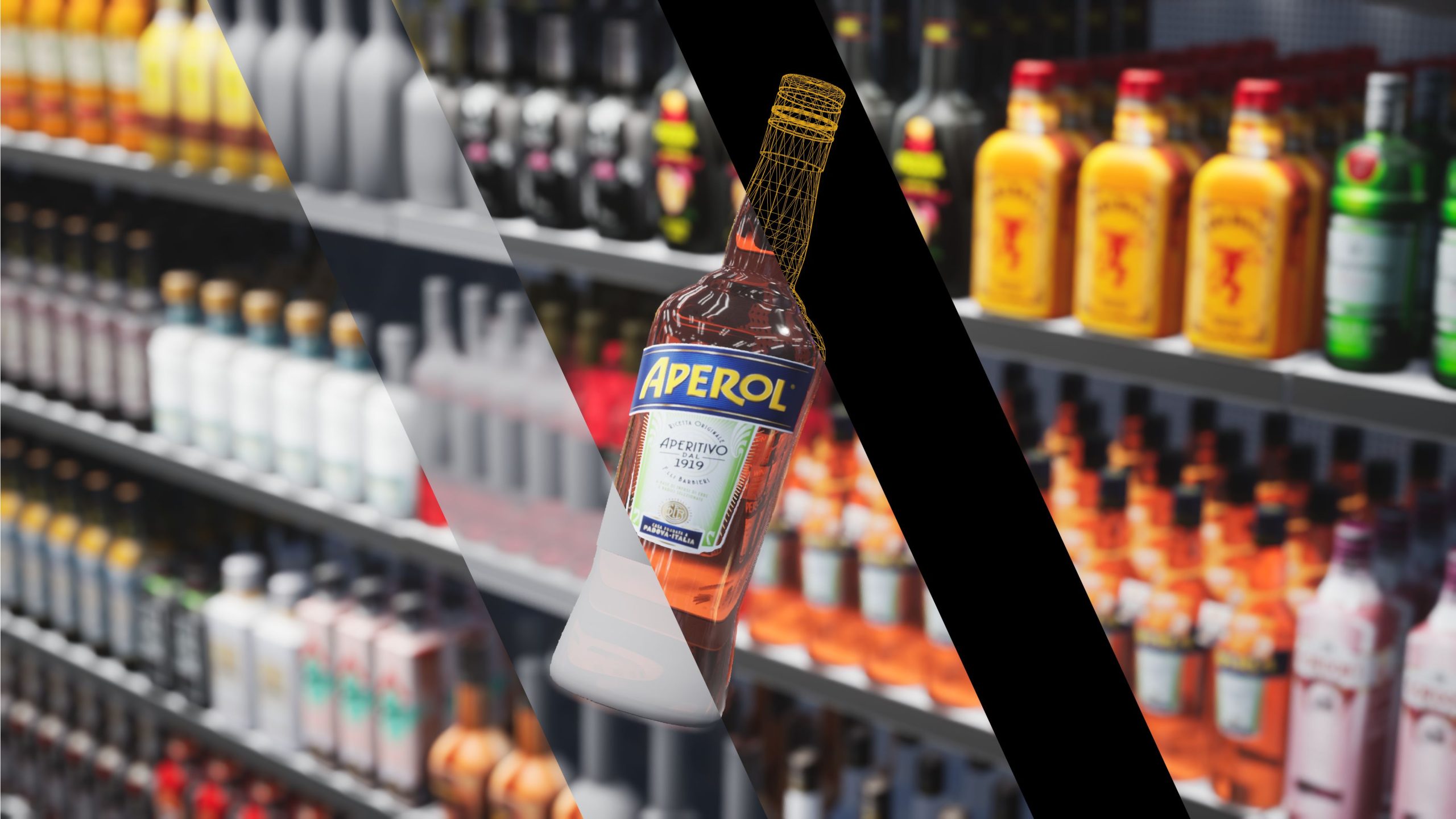
Today, forward-thinking retail leaders are using VR-based shopper research and in store display testing to eliminate that guesswork. With tools like StoreLab Research and StoreLab Connect, brands can now measure visibility, dwell time, and purchase intent before a single unit is shipped — ensuring every display decision is backed by hard data, not assumptions.
The High Stakes of In-Store Displays
Traditional display rollouts rely on intuition and after-the-fact sales data, leaving decision-makers exposed if the campaign underperforms. In an era of tightening budgets and accountability, testing shopper response before rollout has become essential.
That’s where StoreLab Research comes in.
StoreLab Research: Shopper Research Meets Virtual Reality
Dwell time – how long they engage with it
Purchase intent – how the display influences their decision to buy
This approach removes uncertainty and empowers managers with evidence-based insights to justify design and rollout decisions.
StoreLab Connect: Visualising Displays in 3D
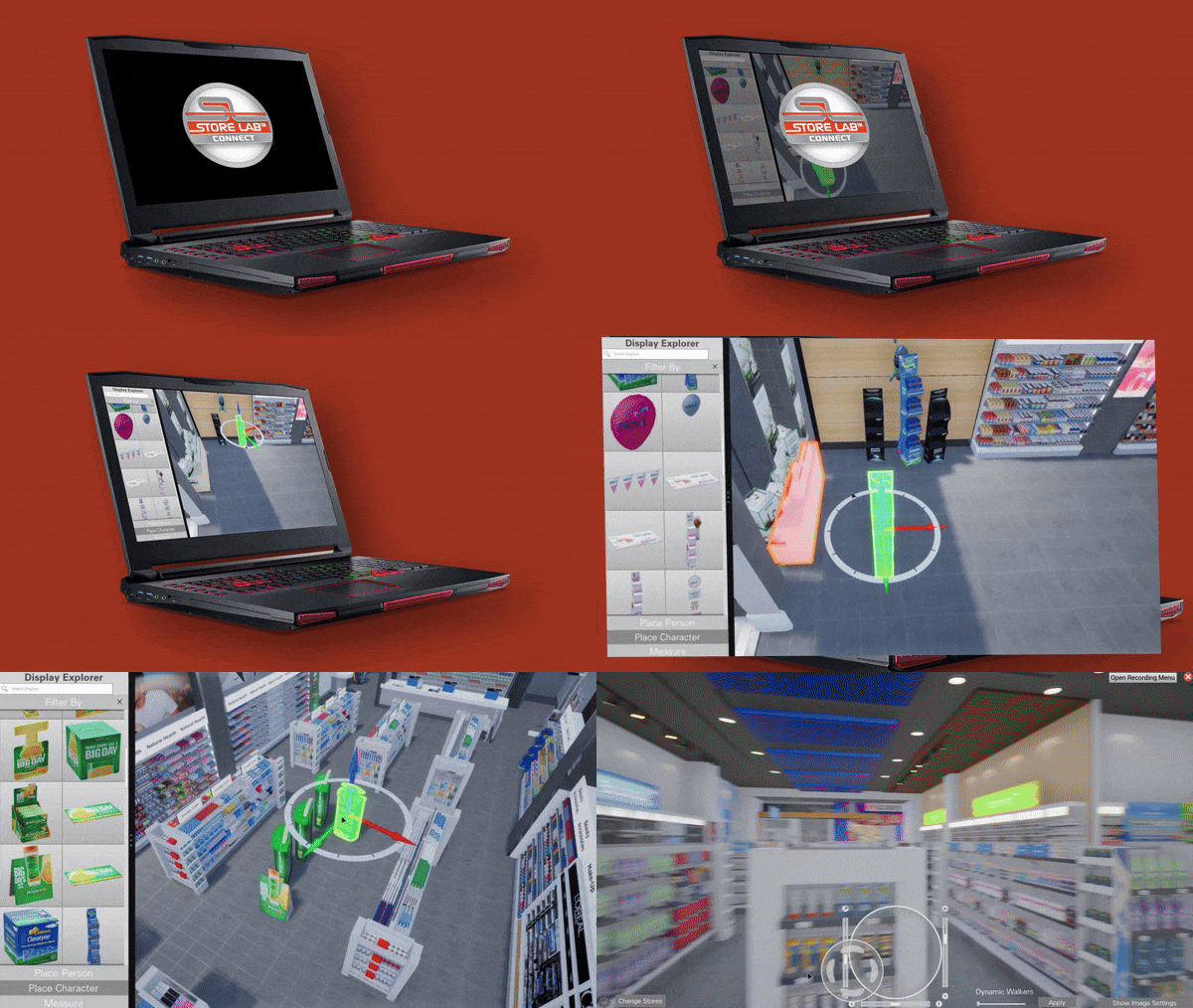
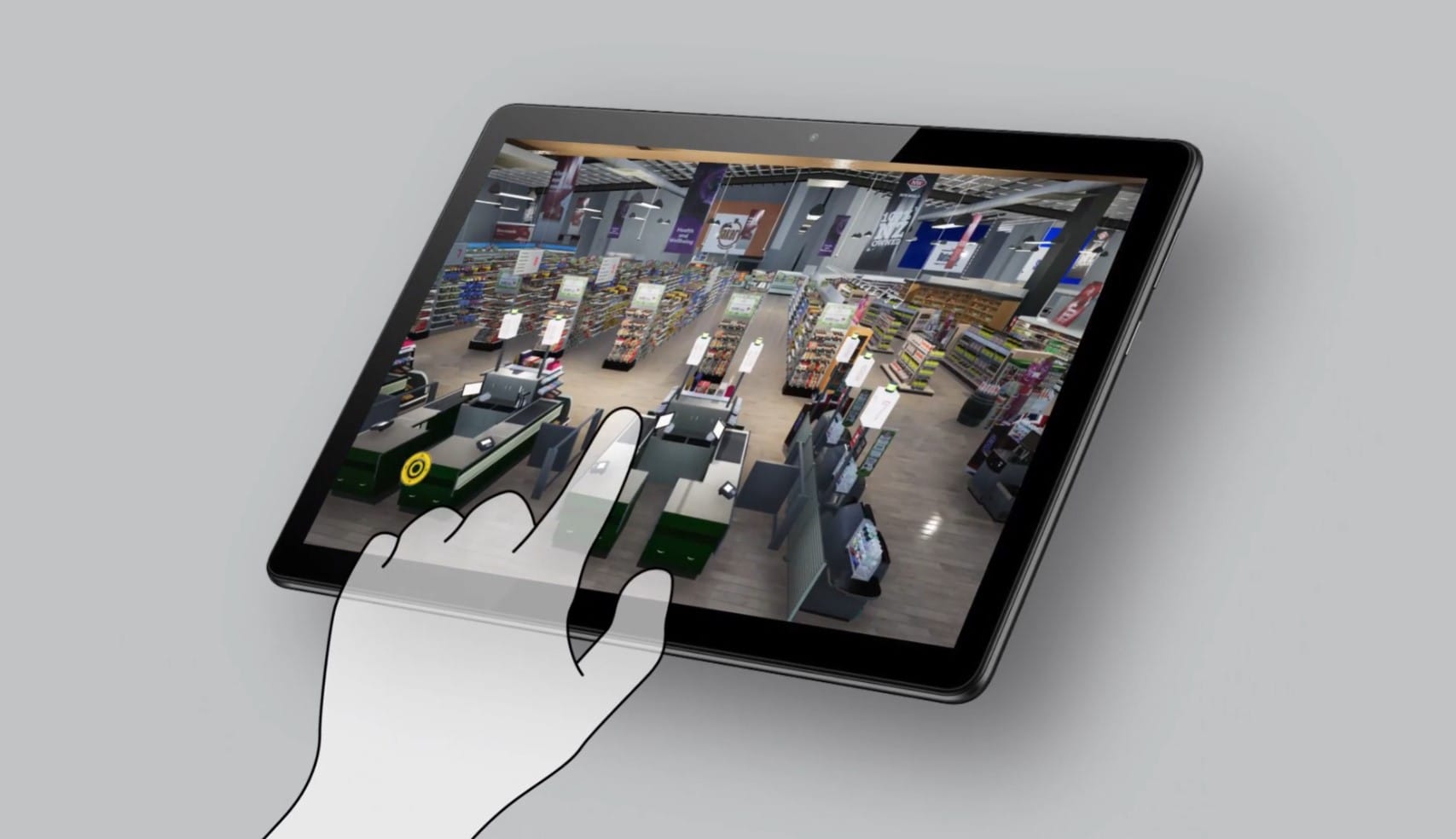
While StoreLab Research focuses on shopper testing, StoreLab Connect brings the display to life in an immersive 3D environment for planning and approvals. Retail teams can:
- Import planograms and insert prototype displays directly into virtual store layouts
- Conduct interactive walkthroughs to explore placement and sightlines
- Generate photo-realistic VR environments for stakeholder reviews
- Export StoreLab Storyteller™ videos and presentations for fast, visual approvals
- Use data visualisation tools to compare performance across multiple display options
Together, these platforms form a powerful end-to-end solution — from shopper research to store layout planning — enabling retailers to iterate, test, and approve displays faster with confidence.
Outcomes and ROI: Smarter Investment, Measurable Results
Retail leaders using StoreLab Research and StoreLab Connect are seeing tangible benefits:
- Faster approvals thanks to clear visualisation and data
- Reduced wasted spend from eliminating underperforming displays early
- Higher compliance through standardised layouts and measurable KPIs
- Stronger ROI with displays proven to engage and convert
As Australia’s biggest retailers — Woolworths, Coles, Kmart, Aldi, JB Hi-Fi, and Target — adopt VR-based planning and testing, the question is no longer if displays should be tested virtually, but when. The technology is here, proven, and reshaping how retail teams approach in-store execution.