
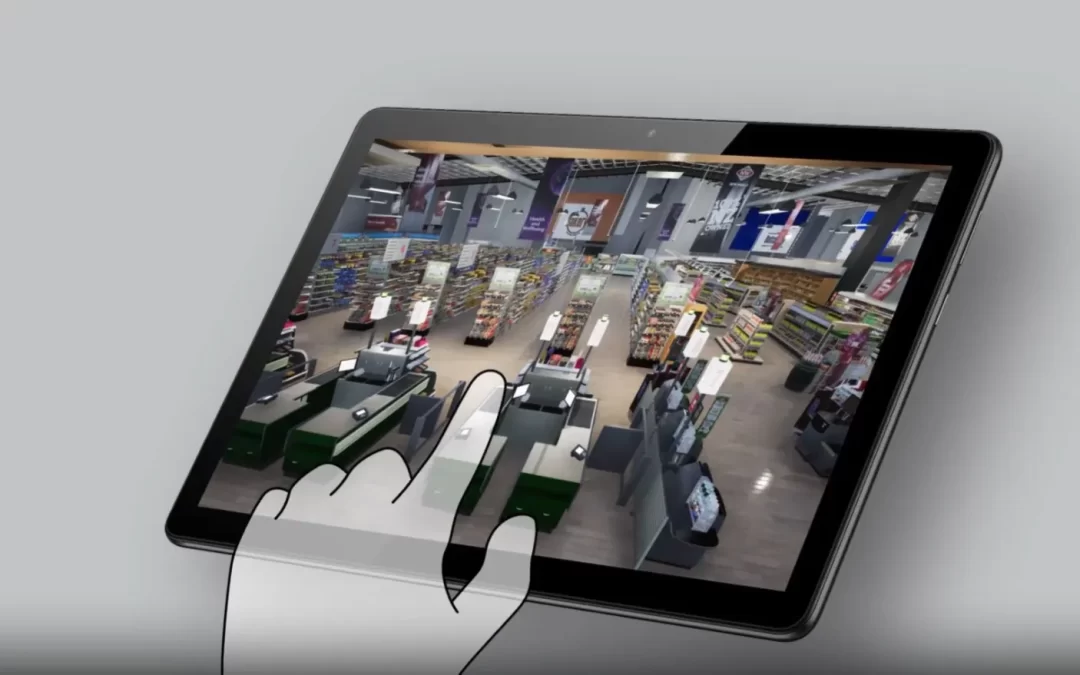
Why FMCG innovation fails and how virtual testing can change that
Innovation drives growth in fast-moving consumer goods.
Yet, many new products do not succeed. Brands invest heavily in developing new lines, redesigning packaging, and crafting marketing campaigns. Despite this effort, a high percentage of these ventures never reach their full potential on the shelf. In fact, 85-90% of innovation is delisted within two years. This repeated failure costs the industry significant money and lost opportunity.

The high cost of failed innovation in FMCG
Launching a new FMCG product is a complex task. It involves considerable financial outlay and resources. When an innovation falters, the impact extends beyond just the failed product. It can damage brand reputation, consume valuable retail space, and divert resources from more promising initiatives. The actual cost of failure is much higher than simply the development budget. The cost of food waste alone to the Australian economy is $36.6 billion a year, much of which can be attributed to products that fail to sell.
Common costs and causes for innovations not hitting the mark include:
| Stage | Typical Outcome if Unaddressed |
|---|---|
| Pre-launch Validation | Concept abandoned or redesigned |
| Retailer Pitch | Listing rejected, limited shelf space |
| In-store Execution | Poor sales, quick delisting |
Why traditional research misses the mark
A fundamental issue is often a focus solely on the ‘consumer’ when, in reality, the ‘shopper’ – the person making the purchase in store – is a distinct and crucial decision-maker. In the majority of FMCG categories, the consumer is not the shopper. If the shopper doesn’t buy it, it will fail.
Bias:
Lack of context:
Artificial settings:
Time delays:
Cost and logistics:
What virtual store testing adds to the innovation process
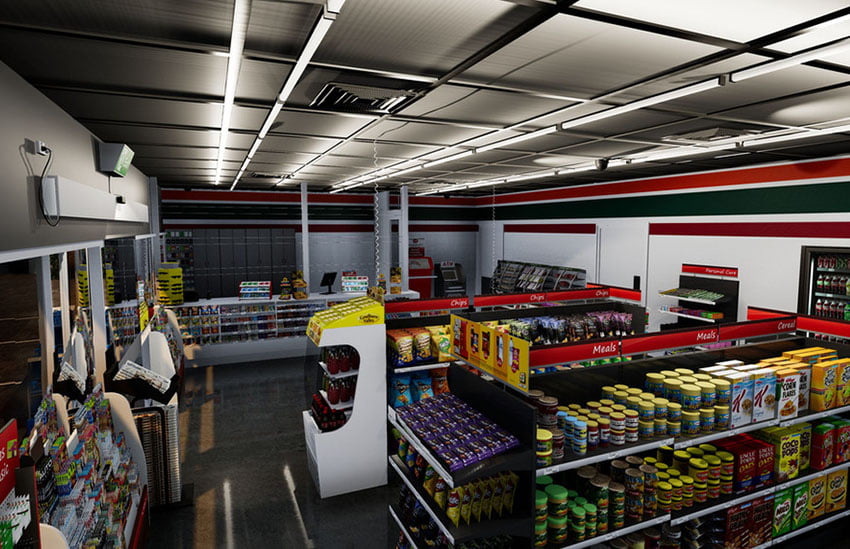
Virtual store testing offers a powerful alternative. It puts innovations directly into realistic digital retail environments. StoreLab Research uses advanced technology to simulate real shopping trips. This allows brands to test new concepts, packaging, planograms, and promotions before any physical product is made.
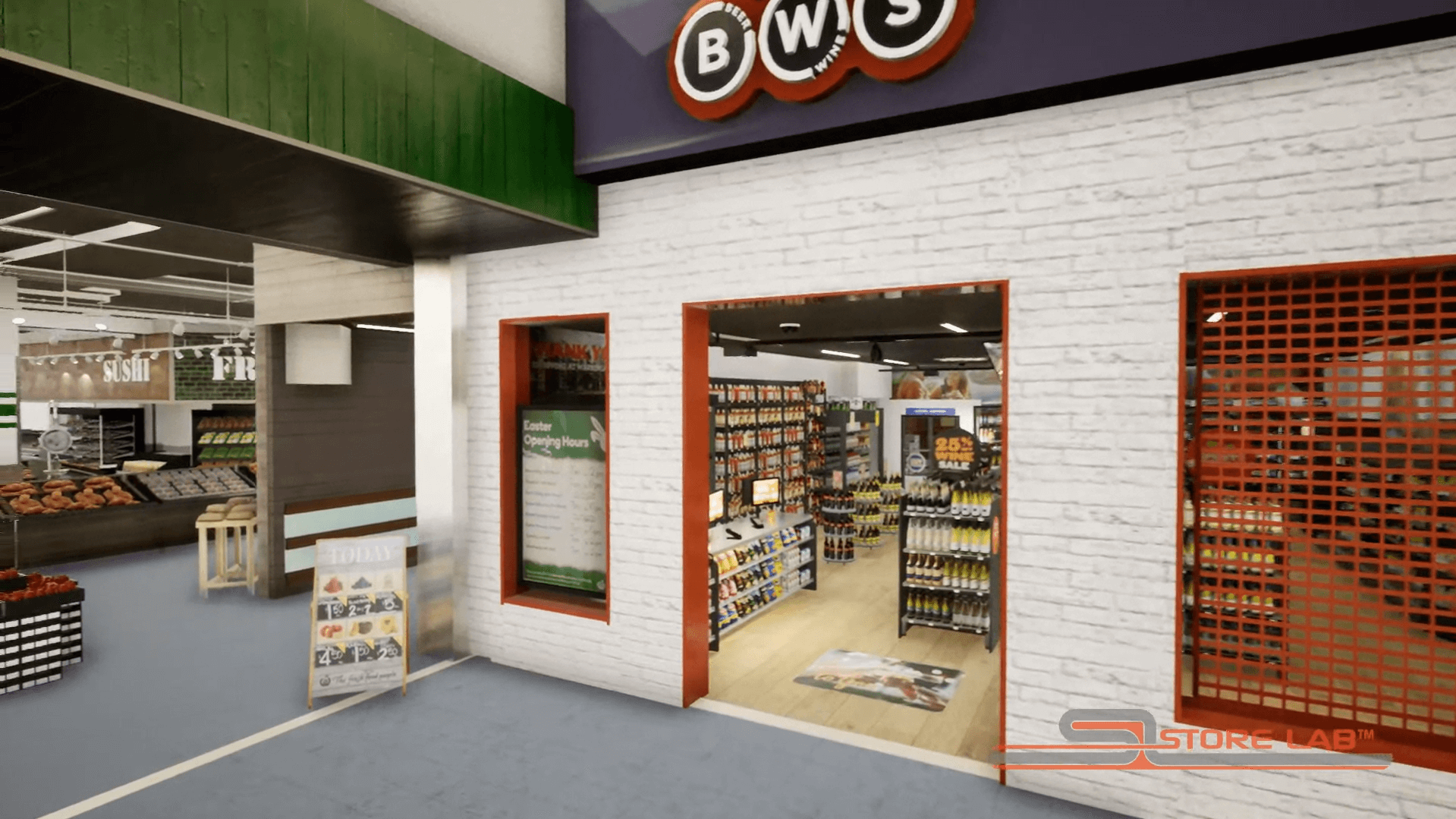
StoreLab offers over 150 virtual retail environments. These range from supermarkets to convenience stores, liquor outlets, and pharmacies. Brands can place their new products alongside 40,000+ 3D product SKUs. This creates a highly realistic context for shoppers to interact with.
Key features of virtual store testing include:
Eye-tracking technology:
This shows exactly where shoppers look, what catches their attention, and what they ignore. This is vital because shoppers spend less than two seconds looking at packs on shelves, and do not glance at over 80% of SKUs.
Shopper path data:
Records how shoppers navigate the store and interact with shelves.
Virtual planograms:
Allows precise testing of product placement and merchandising strategies.
Realistic simulations:
Shoppers engage with products as they would in a real shop. Over 90% of shoppers only look at the front of the pack and from a distance! The slightest doubt jeopardises purchase, making clear, simple pack designs critical.
| Feature | Traditional Research | Virtual Store Testing | Result |
|---|---|---|---|
| Environment Reality | Lab, survey, or mock-up | High-fidelity virtual store | Authentic shopper interaction |
| Shopper Behaviour | Stated intent, recall | Observed eye-tracking, path data | Real insights into decision-making |
| Speed and Agility | Slow, resource-intensive | Fast iteration, quick feedback | Rapid validation, reduced time to market |
| Cost | High for physical mock-ups | Lower, scalable | Efficient use of budget |
| Experimentation | Limited, hard to control variables | Easy A/B testing, scenario planning | Robust data for optimising innovation |
By simulating various retail scenarios, FMCG teams can gather concrete, behavioural data. This replaces assumptions with evidence. Brands can test different package designs, price points, and promotional materials. They can see what truly works before committing to production. This approach builds on over 35 years of retail experience integrated into the platform. Find out more about how this works on our StoreLab Research.
Turning insights into retail confidence
Insights from virtual store testing do more than just refine product design. They give FMCG teams the evidence needed to approach retailers with confidence. Retail buyers are constantly looking for innovations that will drive category growth. They are more likely to list products that come with solid shopper validation.
Virtual testing provides a robust business case for new product launches. Teams can show buyers exactly how their innovation will perform in a real store setting. This includes data on visibility, purchase intent, and category impact.
Key outcomes for retailer engagement:
Better retailer alignment:
Presenting data-backed plans makes for stronger negotiations.
Stronger business cases:
Quantifiable proof of concept convinces buyers.
Faster approvals:
Clear data speeds up decision-making processes.
Optimised space allocation:
Justify requests for prime shelf placement with evidence.
Reduced risk of delisting:
Launch with a higher chance of in-store success.
How StoreLab helps FMCG teams learn faster and fail less
This integrated approach helps FMCG teams:
- Quicker validation cycles: Test, learn, and iterate rapidly.
- Real-world shopper behaviour data: Make decisions based on how people actually shop.
- Lower cost of mistakes: Identify and fix issues virtually before they become expensive physical errors.
- Consistent global alignment: Ensure all teams, from marketing to sales, work from the same validated insights.
- Reduce food waste and save our environment by launching products with higher success rates.
- Eliminate creating gap fill plans by getting it right the first time.
StoreLab Connect allows teams to share virtual store walkthroughs and research findings with stakeholders. This includes retailers. It ensures everyone is on the same page. Then, StoreLab FieldForce helps ensure that the perfected planogram and merchandising strategy is implemented correctly in every store, closing the loop on innovation success.
Driving Smarter Innovation: The StoreLab Edge
Many FMCG innovations struggle because they lack rigorous, real-world shopper validation. Traditional research methods often provide an incomplete picture. With 85-90% of innovations delisted within two years, and the Australian economy losing $36.6 billion annually to food waste, the need for better testing is clear. Virtual store testing changes this. It offers a precise, data-driven way to test new products, packaging, and merchandising strategies. It helps brands understand shopper behaviour before launch.
By using virtual environments, eye-tracking, and shopper simulations, FMCG teams can de-risk their launches. They can present compelling, evidence-based proposals to retailers. This proactive approach drives smarter innovation. It leads to products that truly connect with shoppers and perform well on the shelf.
To discover how virtual testing can transform your innovation process, contact StoreLab today for a demonstration of our virtual research and validation solutions.