
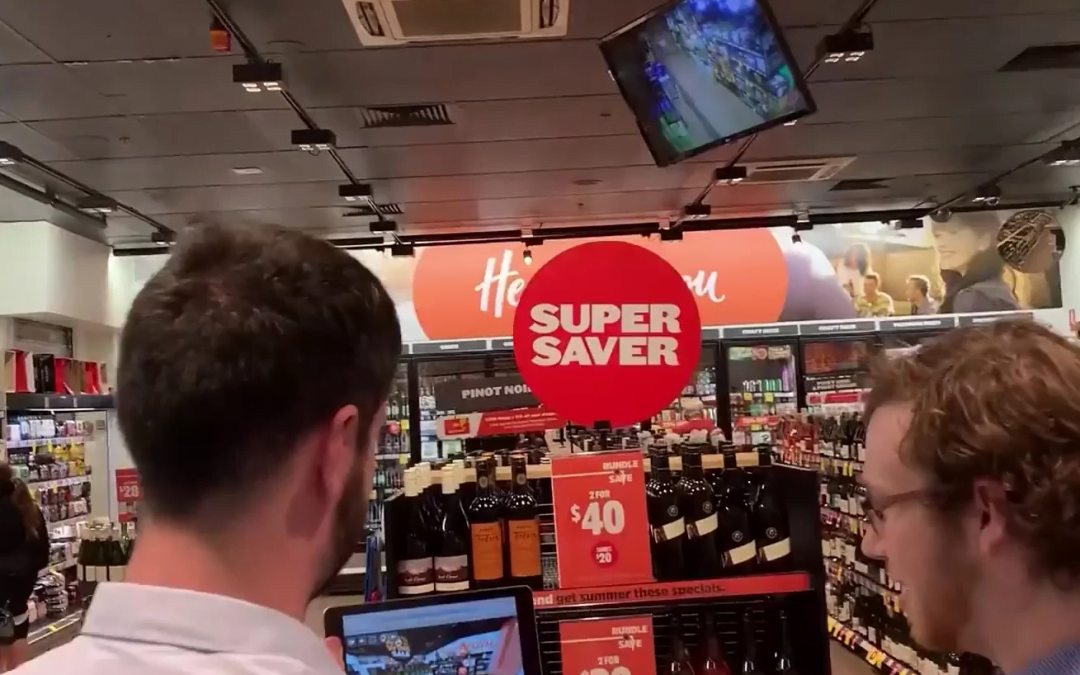
Building retailer confidence with data backed category stories
Retail decisions often feel like a guessing game.
Brands pour resources into understanding shoppers, only to see their brilliant ideas stall at the retailer’s desk. Why? Because a compelling insight, no matter how sharp, means little without the retailer’s belief. This isn’t about convincing them to just listen; it’s about giving them every reason to say, “Yes, let’s do this.”
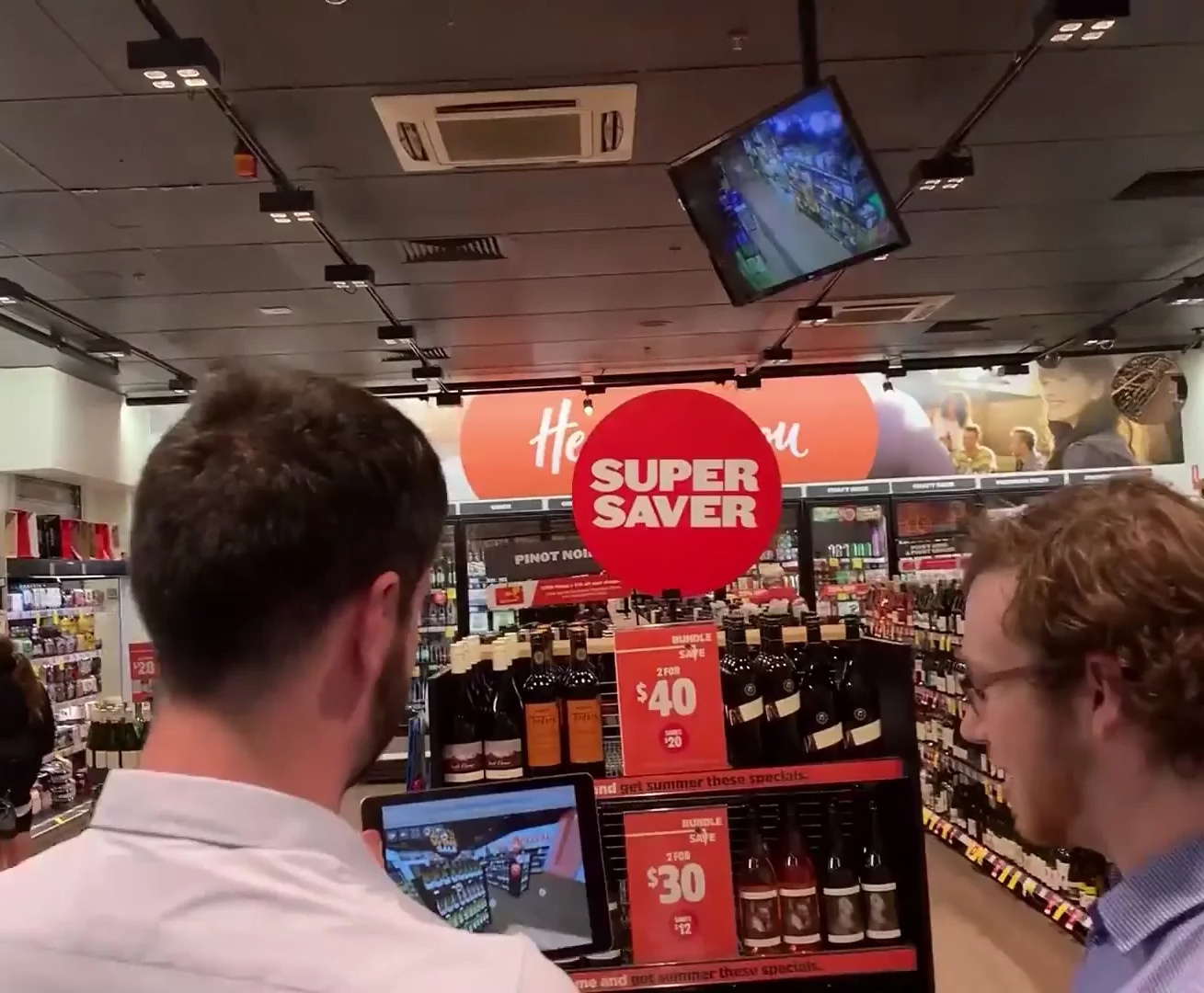
Why retailer confidence defines category success
Common hurdles that trip up even solid proposals:
The power of category storytelling
In B2B retail, category storytelling isn’t about fiction. It’s about taking complex data and shaping it into a clear, persuasive narrative. This approach connects shopper behaviour directly to commercial outcomes, making it easy for retailers to see the value. It transforms abstract figures into tangible scenarios, showing not just what happened, but what will happen.
Think of it as turning raw ingredients into a Michelin-star meal. The ingredients are all there in the data, but the story is the recipe that makes it irresistible.
| Approach | What It Looks Like | Result |
|---|---|---|
| Data-Only | Raw metrics, charts, spreadsheets | Low engagement, limited buy-in |
| Story-Driven | Visualised data linked to shopper behaviour | Faster agreement, stronger alignment |
How data visualisation builds trust
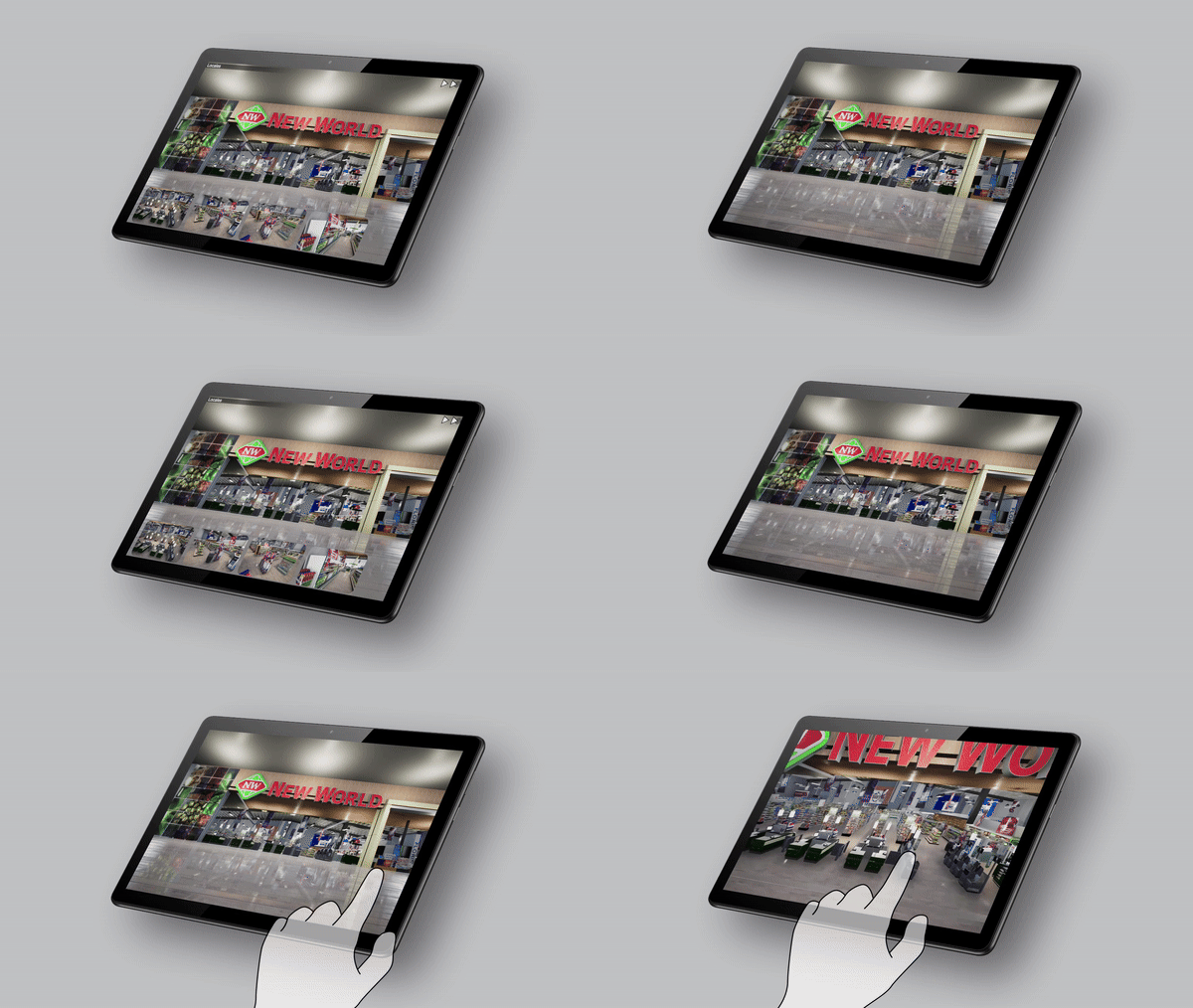
This is where turning insights into visuals really shines. StoreLab Connect and StoreLab Research help category teams transform dry figures into immersive, easy-to-understand visualisations. Imagine showing a retailer precisely how a new layout guides shoppers’ eyes, rather than just telling them it will improve flow. This isn’t just about pretty pictures; it’s about making the complex instantly understandable.
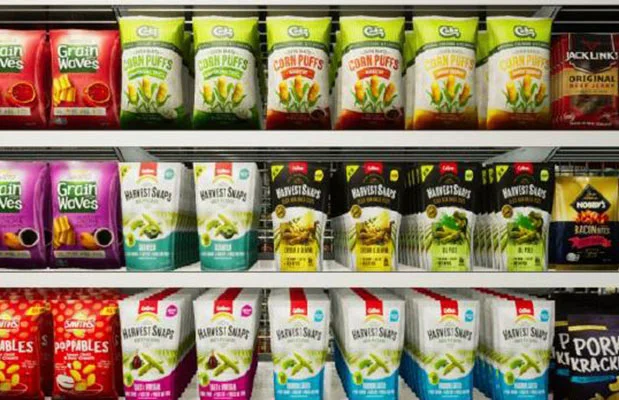
We’re talking about visualising shopper behaviour in 3D store environments. StoreLab provides over 150 virtual retail settings and more than 40,000 3D product SKUs to make this happen. This virtual testing allows brands to experiment and validate strategies without ever touching a physical shelf.
Visual outcomes that change conversations:
Turning insights into retail narratives that sell ideas
Consider the difference between a traditional presentation and one built on an insight-led story:
| Presentation Type | Evidence Used | Retailer Response |
|---|---|---|
| Traditional Deck | Past sales data, assumptions | Cautious, delayed decisions |
| Insight-Led Story | Shopper behaviour data, 3D visuals | Confident, faster approvals |
For over 35 years, StoreLab has helped brands visualise, test, and communicate retail strategies. This deep experience informs how their tools are built to support data driven category management. The goal is to move beyond mere reporting and into predictive, persuasive narratives that secure retailer approval faster and lower commercial risk. It’s about building a story so clear and compelling that the retailer sees not just a change, but a clear path to growth.
From collaboration to execution
A brilliant category story doesn’t end with a signed agreement; it continues into the store. StoreLab FieldForce ensures that the strategies tested and approved through virtual simulations are executed perfectly at the point of sale. This closes the loop, guaranteeing that the carefully crafted category presentation translates into real-world results. This connection between strategy and execution is crucial for maintaining retailer confidence.
The final stage of any good category story is its faithful telling in every store. FieldForce ensures:
Solidifying the retail partnership
Ready to transform your category presentations and build stronger retailer partnerships?