
Why Planograms Fail After Rollout and How Testing Reduces Risk
Planograms are one of retail’s most relied-upon planning tools.
They define where products sit, how categories are structured and how space is allocated across a store. Long before a shopper encounters a shelf, its planogram has already shaped the decision.
Yet despite the care and analysis that goes into their creation, many planograms underperform once they reach stores.
The failure is rarely obvious at first. Products are stocked. Compliance is checked. The layout matches the diagram. On paper, the rollout looks successful. Over time, however, the expected uplift does not materialise, or the category behaves differently than forecast.
When this happens, the issue is usually not execution alone. It is that the planogram was never tested under realistic shopping conditions.

The Limits of Planning in Isolation
Most planograms are built using a combination of historical sales data, category rules and space constraints. These inputs are essential, but they rely on assumptions about how shoppers will behave once the layout is live.
What they cannot fully capture is context.
A planogram viewed on a screen does not show how sightlines work in a busy aisle. It does not reveal whether a product is visible at typical walking speed, or how packaging competes for attention alongside neighbouring brands. It does not account for how shoppers actually move through a category when time, habit and distraction come into play.
As a result, planograms can be logically sound and still fail in practice.

Why Problems Often Appear After Rollout
Once a planogram is implemented across stores, changing it becomes costly. Fixtures are set. Stock is distributed. Teams move on to the next reset.
Only later do issues begin to surface.
Common post-rollout problems include:
Compliance Does Not Equal Performance
Retail teams often distinguish between planogram compliance and planogram performance, but the two are easily conflated.
A store can be fully compliant with a planogram and still underperform. Compliance confirms that the shelf matches the design. It does not confirm that the design works.
This distinction matters because many planogram failures are not caused by poor execution. They are caused by designs that were never validated against real shopper behaviour.
The Role of Testing Before Rollout
Planogram testing shifts risk earlier in the process, when changes are still inexpensive and decisions are still flexible.
Instead of asking whether a planogram can be implemented, testing asks whether it performs as intended.
In a testing environment, teams can explore questions such as:

Testing in a Simulated Store Environment
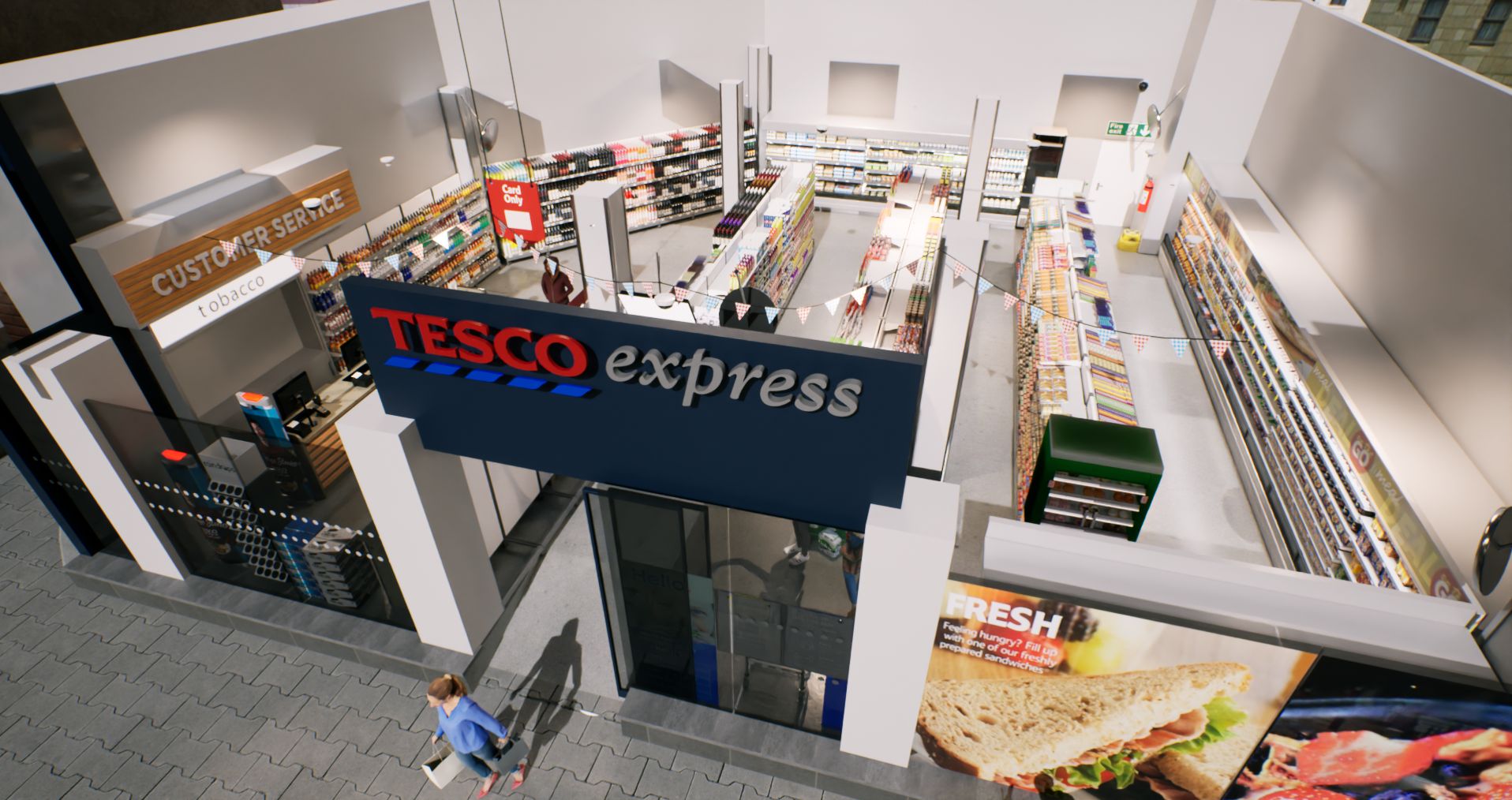
One approach increasingly used in retail planning is to test planograms within realistic, simulated store environments.
By placing a planogram into a three-dimensional virtual store, teams can experience the shelf as a shopper would. Aisle width, shelf height, product density and visual competition all become visible.
This type of testing allows planners to compare alternatives, identify friction points and refine layouts before they are locked into a physical rollout.
When combined with behavioural measurement, such as observing navigation or visual attention, simulation can reveal why a planogram works or fails, not just whether it complies with guidelines.
Why Small Issues Have Large Effects
Many planogram failures are not dramatic. They involve small details that compound over time.
A product placed slightly outside the natural line of sight.
A block that interrupts habitual shopping paths.
A shelf that appears balanced but feels overwhelming at pace.
Individually, these issues seem minor. Together, they can alter how a category performs.
Testing helps surface these details early, when they are still easy to correct.
Reducing Risk Without Slowing Decisions
One concern often raised about testing is speed. Retail teams work to tight timelines, and additional steps can feel like friction.
In practice, early testing often accelerates decision-making. It reduces debate driven by opinion and replaces it with shared evidence. Stakeholders can see the same environment, discuss the same issues and align more quickly.
Rather than delaying rollout, testing can reduce the need for post-launch fixes and reactive adjustments.
When Planogram Testing Matters Most
Not every planogram needs the same level of scrutiny. Testing is most valuable when the consequences of underperformance are high.
This includes:
From Design to Reality
Planograms remain a critical part of retail planning. They provide structure, consistency and clarity. But they are not a guarantee of performance.
Failures after rollout often occur because decisions were made in abstraction, without sufficient exposure to how shoppers experience the shelf in real conditions.
Testing reduces that gap. It brings planning closer to reality, earlier in the process, when insight is most valuable.
In modern retail environments, where margins for error are narrow, that shift can make the difference between a planogram that simply looks right and one that actually works.
Frequently Asked Questions
Why do planograms fail after rollout?
Planograms often fail after rollout because they are designed in isolation from real shopping conditions. Factors such as sightlines, shopper flow, visual clutter and in-store context can affect performance in ways that are not visible in static planning tools.
Can a planogram be compliant and still underperform?
Yes. A store can follow a planogram exactly and still see weak results. Compliance confirms execution, but it does not guarantee that the layout supports shopper behaviour or decision-making.
What is planogram testing?
Planogram testing is the process of evaluating how a shelf layout performs before it is implemented in physical stores. It focuses on shopper navigation, visibility and interaction rather than just space allocation.
How does testing reduce planogram risk?
Testing allows retailers to identify issues early, when layouts can still be adjusted easily. By validating assumptions before rollout, teams reduce the risk of costly post-launch changes or underperformance.
What types of planogram issues are usually found through testing?
Common issues include poor product visibility, confusing category flow, overcrowded shelves and promotional placements that distract from core ranges.
When is planogram testing most important?
Testing is most valuable for major category resets, new store formats, large-scale range changes and national rollouts where the cost of being wrong is high.
Is planogram testing only useful for large retailers?
No. While large retailers use testing to manage scale, smaller retailers and brands also benefit when making changes that affect sales, space efficiency or shopper experience.