
How Realistic Does a Virtual Store Need to Be to Produce Reliable Data?
As virtual store simulations become more widely used in retail planning and research, one question surfaces repeatedly.
The concern is understandable. Retail decisions carry financial and operational consequences, and teams want confidence that what they observe in a simulated environment will translate to real stores. The answer, however, is not as simple as “more realism is better.”
In practice, reliability depends less on visual perfection and more on whether the simulation captures the conditions that actually influence shopper behaviour.
Realism Is Not a Single Thing
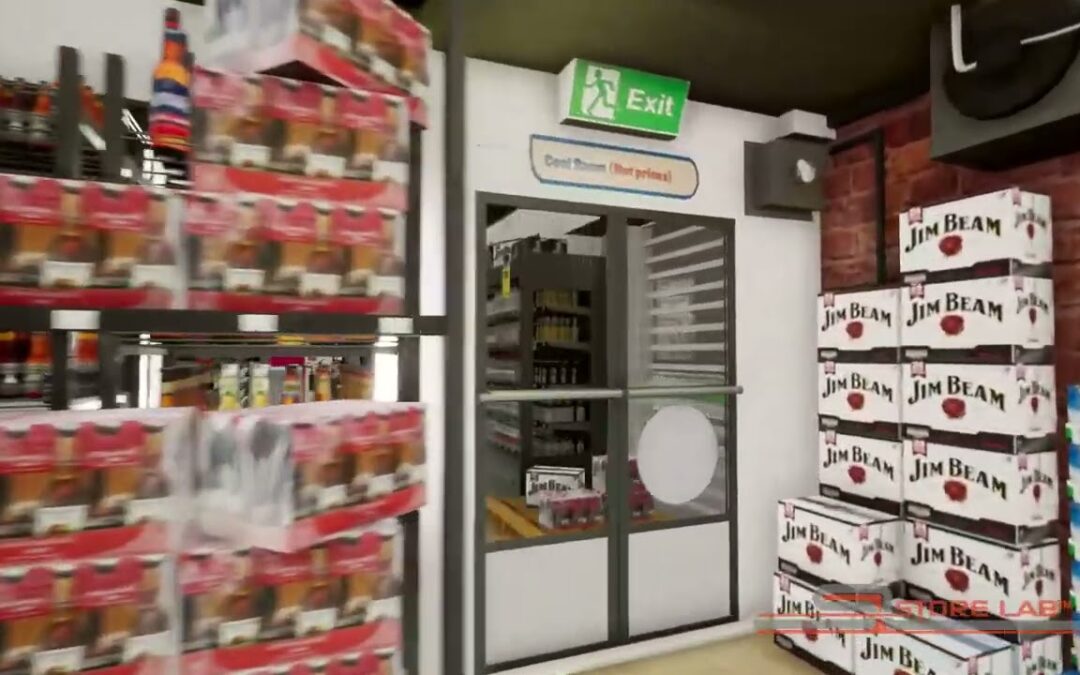
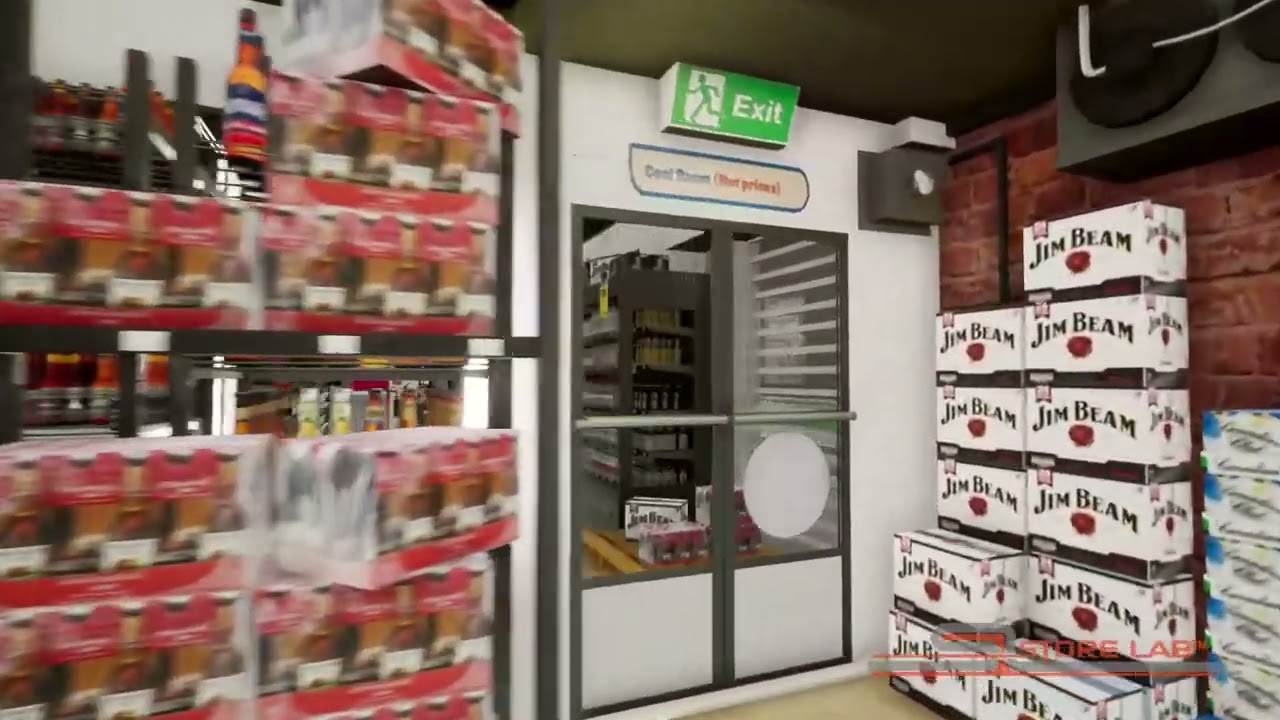
When people talk about realism in virtual stores, they often mean visual detail. Shelf textures, lighting, reflections and packaging fidelity tend to dominate the discussion.
Visual realism matters, but it is only one layer.
For retail decision-making, realism also includes:
What Shoppers Respond to First
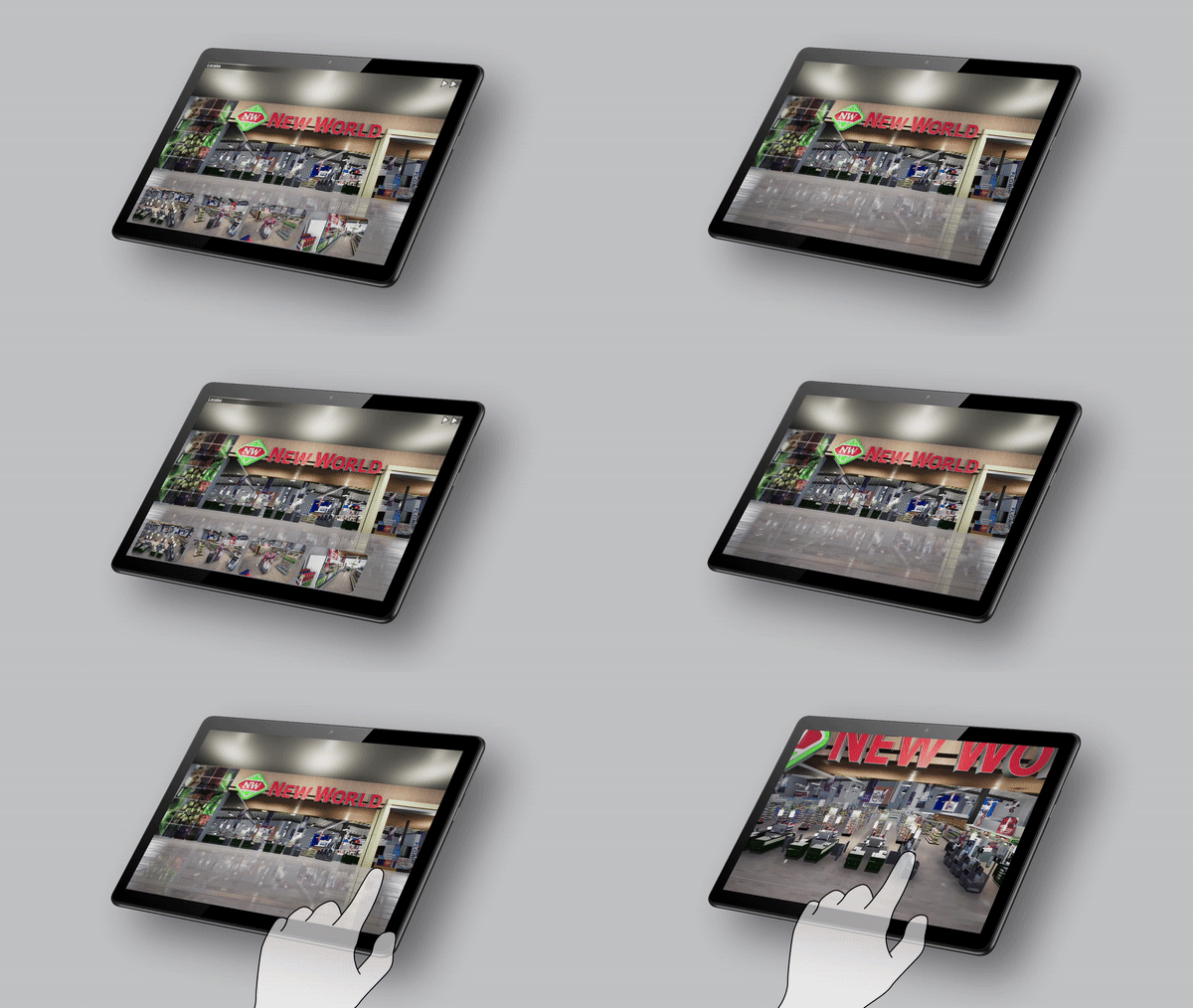
Research consistently shows that shoppers do not process stores as static images. They experience them dynamically, while moving, scanning and making decisions under time pressure.
This means reliability depends on whether the simulation supports:
The Risk of Overbuilding Detail
There is a temptation to push realism to extremes. Every reflection polished. Every shadow perfected. Every surface rendered to cinematic quality.
Beyond a certain point, this effort produces diminishing returns.
Highly detailed environments take longer to build, are harder to modify and can slow down iteration. They may also distract stakeholders into debating aesthetics rather than behaviour.
For most retail use cases, the goal is not to recreate the store perfectly. It is to recreate the decision context accurately.
What Needs to Be Accurate for Data to Hold?
Reliable data tends to emerge when the simulation gets a small number of things right.
These include:

Behaviour Matters More Than Graphics
Do they pause where they would normally pause?
Do they miss products they would typically overlook?
Do layout changes alter their path through the category?
If the answers are yes, the simulation is doing its job.
This is why many effective virtual store simulations prioritise behavioural validity over visual spectacle.
The Role of Measurement
Realism also interacts with how data is collected.
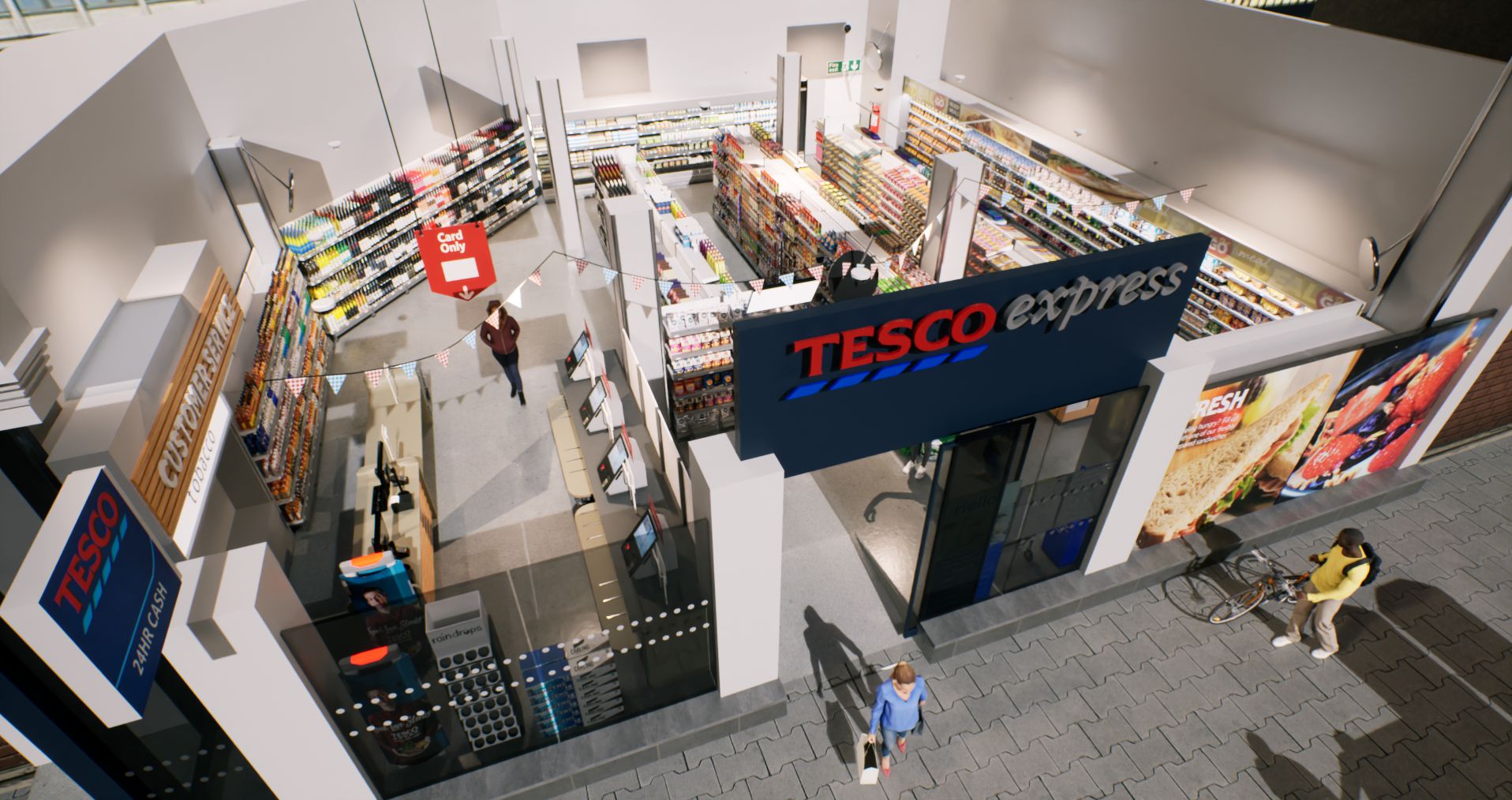
When simulations are combined with behavioural measurement, such as tracking navigation patterns or visual attention, small discrepancies in appearance become less important than consistent behavioural signals.
What matters is whether differences between layouts or planograms produce meaningful differences in how shoppers engage, not whether the environment passes as a photograph.
Matching Realism to the Question Being Asked
Different retail questions require different levels of realism.
Early-stage concept testing may only require a simplified environment that allows teams to compare alternatives quickly. Later-stage validation may justify greater visual fidelity, particularly when stakeholder alignment or presentation matters.
The most effective approach is usually incremental. Start with enough realism to support the decision, then add detail only where it changes the insight.
Reliable Data Comes From Fit, Not Fidelity
The assumption that higher realism automatically leads to better data is misleading.
Reliable insight comes from how well the simulation fits the behaviour being studied. When the environment reflects how shoppers actually move, look and decide, the data tends to be useful even if every surface is not perfect.
In retail research, realism is a means to an end, not the end itself.

Frequently Asked Questions
Does a virtual store need to look exactly like a real store to be reliable?
No. A virtual store needs to capture the structural and behavioural conditions that influence shopping, not reproduce every visual detail perfectly.
What level of realism matters most in virtual store simulations?
Accurate scale, layout, navigation and product placement matter more than surface-level visual detail.
Can simplified virtual stores still produce useful data?
Yes. Simplified environments can produce reliable insight if they reflect real shopper movement, visibility and decision-making context.
When is higher visual realism important?
Higher realism is useful when validating near-final designs or aligning stakeholders, but it is not always necessary for early-stage testing.
How do retailers know if a simulation is realistic enough?
If shoppers behave in the simulation as they do in physical stores and differences between layouts produce consistent behavioural changes, the realism is sufficient.
Does realism affect comparison between planograms?
Consistency matters more than absolute realism. As long as each option is tested in the same environment, relative differences remain meaningful.