
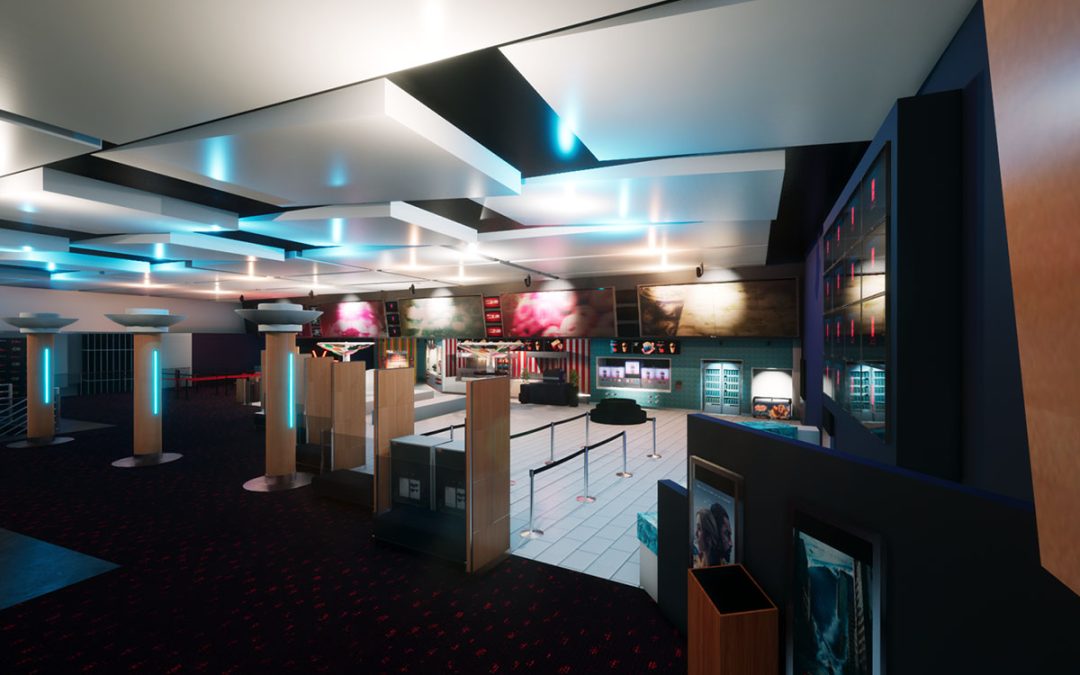
Common Misconceptions About VR in Retail Research
Some of these misconceptions come from early experiments that promised more than the technology could deliver at the time. Others stem from confusion between consumer VR experiences and professional research tools. Together, they can lead retail teams to dismiss simulation entirely or to apply it in the wrong way.
Understanding what VR research is not can be just as important as understanding what it is.
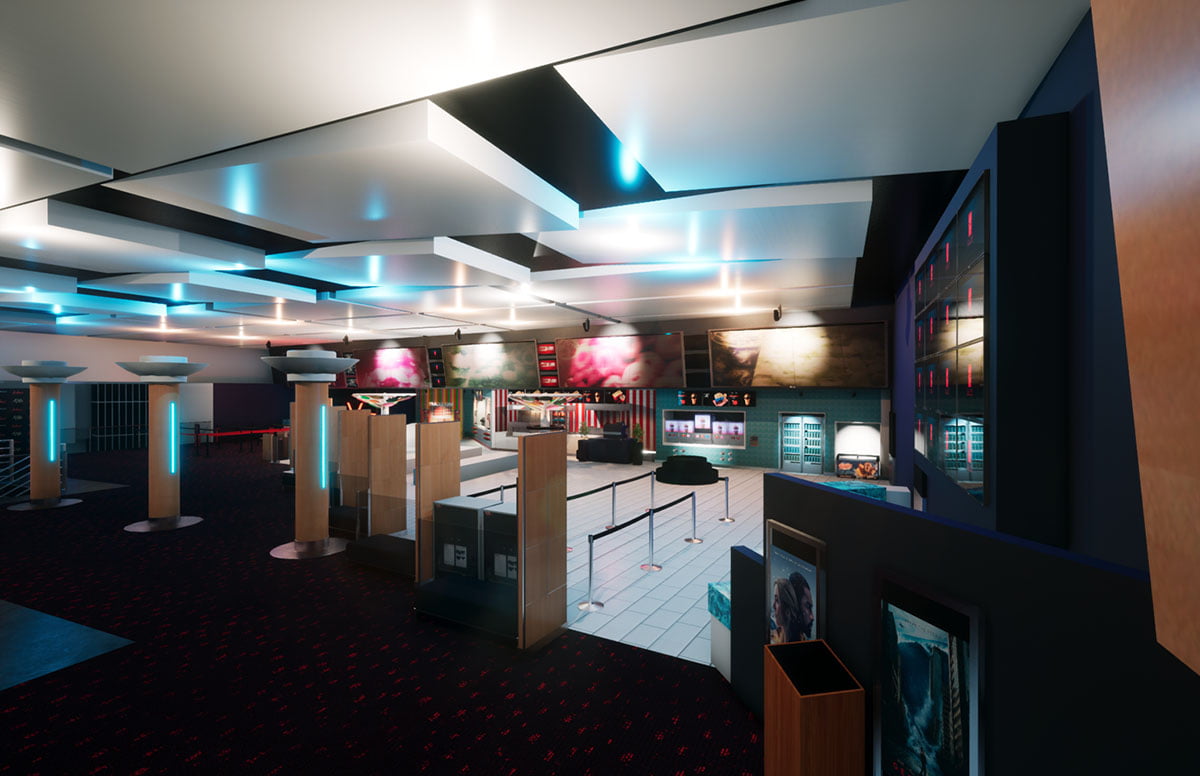
Misconception 1: VR Research Is Just a Visual Gimmick
One of the most common assumptions is that VR in retail research is primarily about impressive visuals.
While modern simulations can be highly realistic, visual appeal is not the point. The value of VR research lies in its ability to place decisions into context. Layout, spacing, adjacency and movement matter more than surface detail.
A visually simple environment that captures how shoppers move and look can be more informative than a highly detailed one that does not reflect real behaviour.
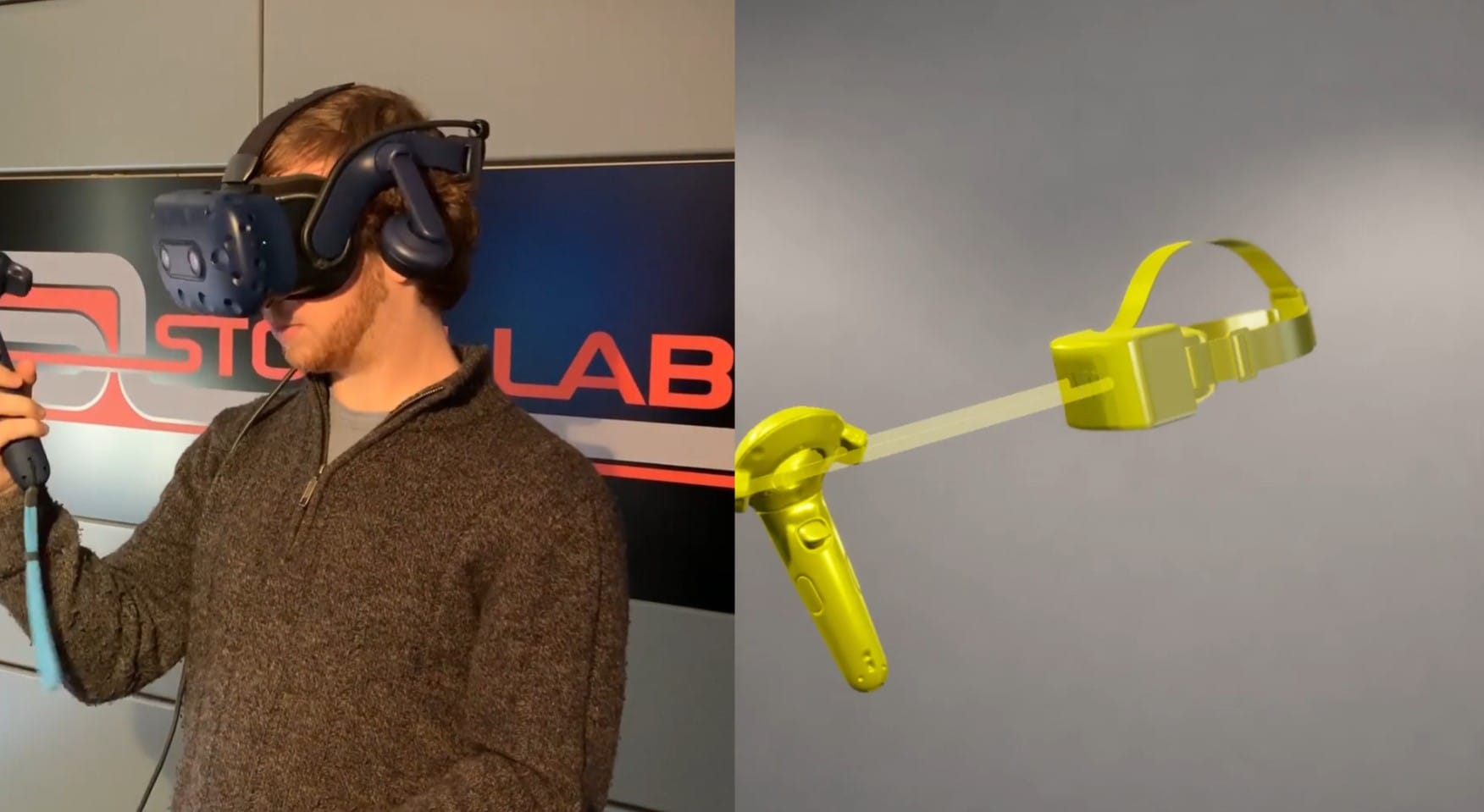
Misconception 2: VR Research Tries to Replace Real Stores
VR research is sometimes viewed as an attempt to replace physical testing altogether.
In practice, it serves a different purpose. Virtual environments are most useful earlier in the planning process, when ideas are still flexible and assumptions need to be tested. Physical stores remain critical for understanding operational realities and long-term performance.
Rather than replacing live testing, VR research helps reduce the number of things that reach stores untested.
Misconception 3: Shoppers Behave Differently in Virtual Environments
There is a concern that shoppers behave unnaturally in VR, making the data unreliable.
Behaviour does change when an environment feels unfamiliar. However, when simulations reflect real store structure and allow natural movement, many shopping behaviours carry over. People still scan shelves, follow habitual paths and focus on familiar cues.
The key is not novelty, but familiarity. When the environment feels recognisable, behaviour tends to stabilise quickly.
Misconception 4: VR Is Only Useful for Big, Expensive Projects
Another assumption is that VR research only makes sense for major store redesigns or flagship concepts.
In reality, VR is often most effective for relatively contained decisions, such as comparing planograms, testing new product placement or evaluating packaging visibility. These decisions may not justify a physical test store, but they still carry risk at scale.
By lowering the cost and effort of testing, VR makes evaluation possible in situations where it would otherwise be skipped.
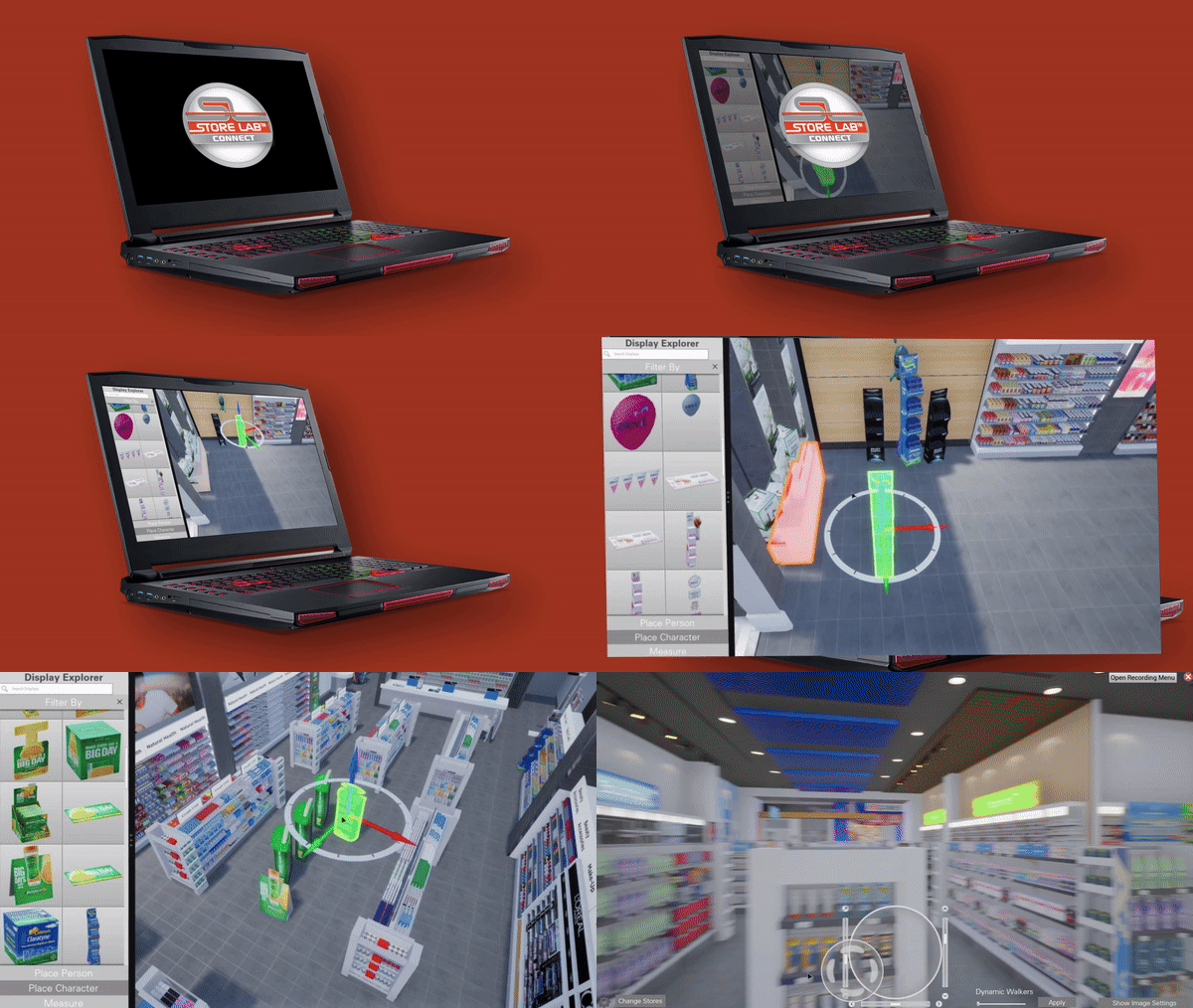
Misconception 5: VR Data Is Only Directional
Some teams assume VR research can only provide broad, directional insight, not evidence strong enough to inform decisions.
This often reflects how early VR studies were run. As methods have matured, simulations are increasingly paired with structured tasks and behavioural measurement. This allows teams to compare alternatives, identify consistent patterns and understand why differences emerge.
The strength of VR data lies in comparison, not prediction in isolation.
Misconception 6: VR Research Is About Technology, Not Insight
There is a tendency to frame VR research as a technology discussion rather than a research one.
When that happens, attention shifts to hardware, resolution and novelty instead of research design. In practice, the quality of insight depends far more on how a study is structured than on the headset used.
Poorly designed research in VR produces poor results, just as it would in any other method.
Where do VR Research Misconceptions Come From?
Many of these misunderstandings stem from treating VR as a category rather than a tool.
Retail research already includes many methods, from surveys to in-store observation. VR is simply another way of creating context. When used appropriately, it adds value. When used indiscriminately, it disappoints.
Clarity about purpose tends to resolve most doubts.
What VR Research Is Actually Good At
When stripped of hype, VR research consistently performs well in a few areas:
A Tool, Not a Shortcut
The most persistent misconception is that VR is a shortcut to certainty.
It is not. It is a way to learn earlier, faster and with fewer constraints. Like any research method, its value depends on how clearly questions are defined and how carefully results are interpreted.
When used with that understanding, VR research tends to reduce surprises rather than create them.
Frequently Asked Questions
Is VR retail research reliable?
VR retail research can be reliable when simulations reflect real store structure and studies are designed to observe realistic shopper behaviour.
Does VR research replace in-store testing?
No. VR research is typically used earlier to test and refine ideas before physical execution.
Do shoppers behave naturally in VR environments?
When environments are familiar and movement is natural, many shopping behaviours translate well into VR.
Is VR research only for large retailers?
No. It can be useful for any retailer or brand making decisions that would be costly to reverse after rollout.
What types of questions is VR research best suited to?
It works well for questions about layout, visibility, navigation and relative performance of alternatives.
What limits the value of VR research?
Poor study design, unclear objectives and overemphasis on technology rather than behaviour.