
How 3D store software speeds retail approvals
Senior retail teams know the pattern well. A commercially sound proposal reaches the approval stage with category support, supplier backing, and a deadline that is already close. Then it stalls. The people who need to sign off are each evaluating a slightly different mental version of what the concept will look, cost, and demand once it hits the floor. Agreement on the idea coexists with disagreement on execution risk, and the approval cycle expands.
Where approval friction builds in retail organisations
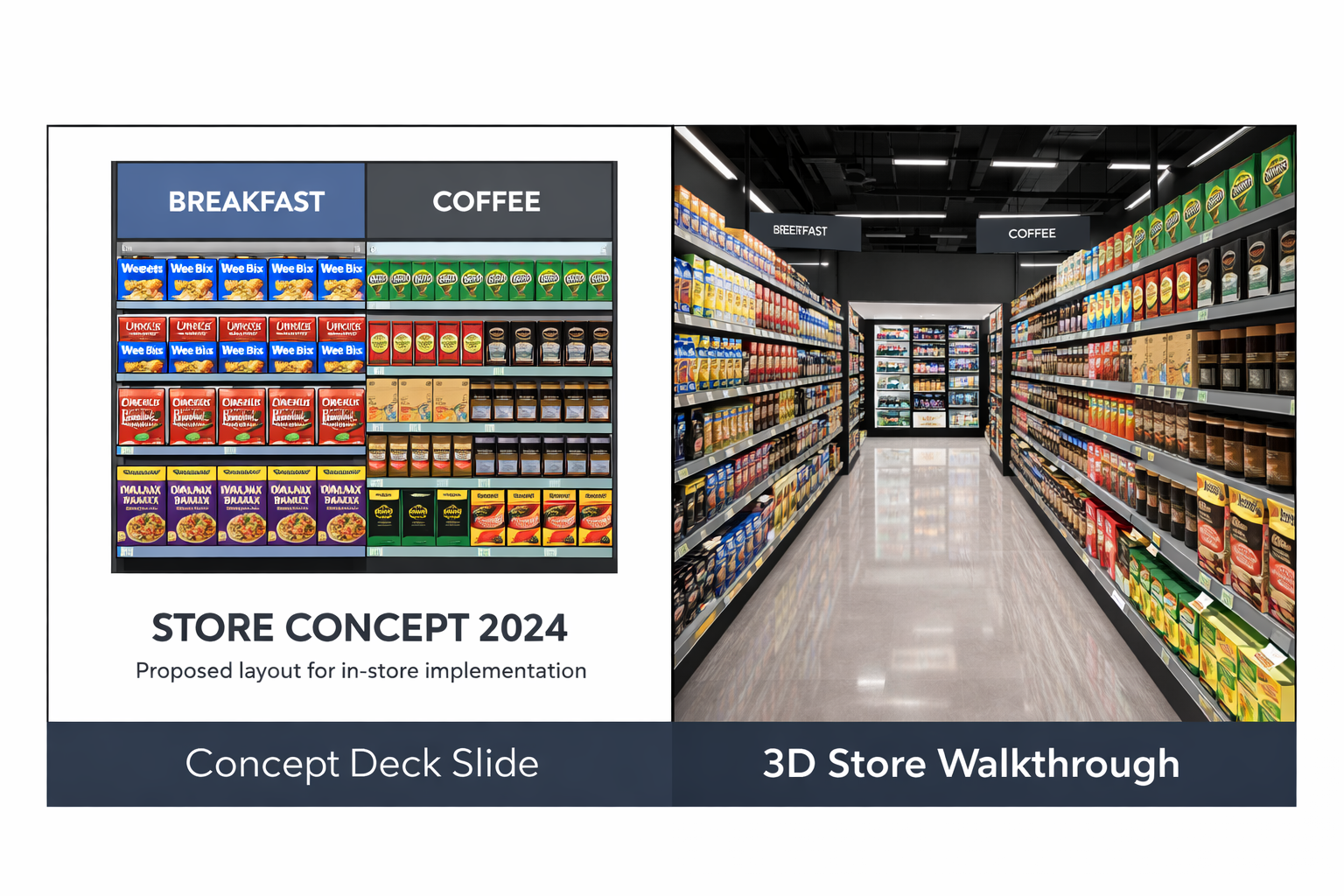
A concept deck can frame commercial logic convincingly. It can show a supplier’s investment, a promotional calendar, a category growth story. Where it struggles is conveying how a display interacts with its surroundings, whether a fixture change creates congestion in a high-traffic zone, how a seasonal activation competes with every other message in the environment, or whether store teams can realistically execute the concept during a busy trading week.
Each function fills those gaps with assumptions drawn from experience. Category assumes the space will work because the numbers justify it. Operations assumes the worst because they have inherited under-tested concepts before. VM worries about visual clutter. Store teams wonder who is going to build it.
All of those responses can be reasonable. They are also responses to different imagined environments, and a flat presentation cannot collapse the distance between them.
The organisational cost of slow sign-off
| Approval issue | What it affects | Likely business impact |
|---|---|---|
| Delayed sign-off | Campaign timing | Shorter execution window, compressed field briefing |
| Unclear display impact | VM and operations alignment | Additional revision rounds |
| Weak store context | Category and leadership confidence | Hesitant or conditional approval |
| Late operational objections | Field and store teams | Inconsistent rollout, last-minute changes |
| Repeated review cycles | Cross-functional planning cadence | Slower overall planning velocity |
The deeper cost is organisational energy. When senior people spend more time interpreting proposals than making decisions, the business starts treating any store change as inherently slow. Planning cadence drops. Teams become risk-averse by default, because the approval process has trained them to expect friction.
In a tighter retail climate (think compressed promotional calendars, leaner store labour models, and margin pressure across most categories), that drag matters more than it did five years ago.
What 3D store software adds to the approval process
3D store software earns its place in this process by compressing the gap between concept and context.
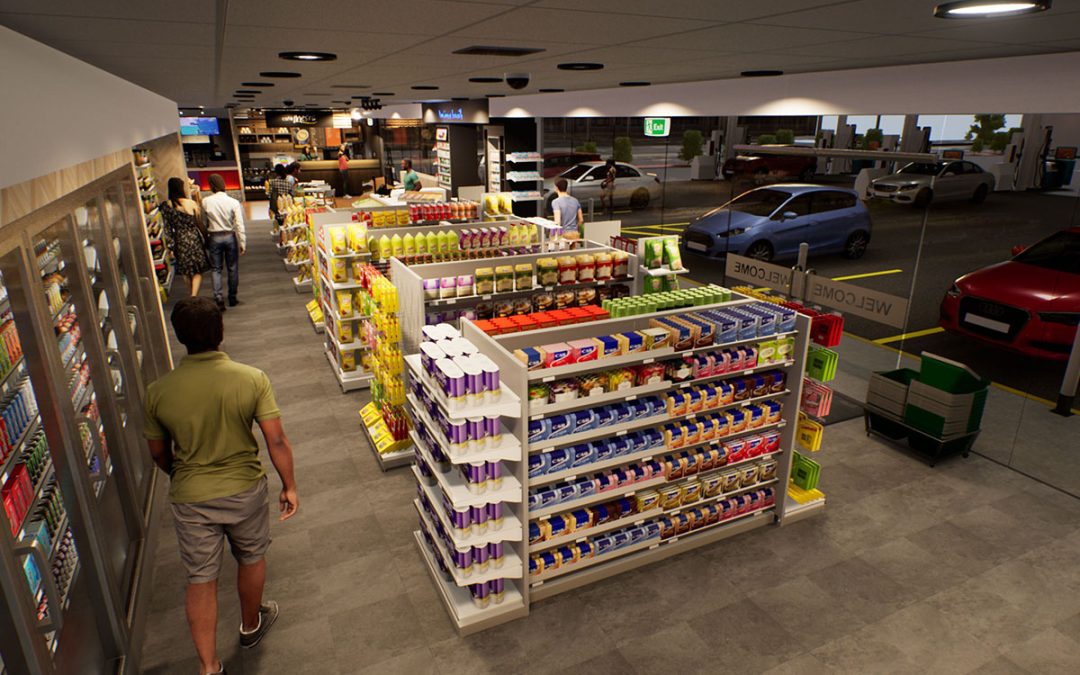
Instead of reviewing a layout or display in isolation, stakeholders review it inside a realistic store environment. Platforms like Storelab Connect allow teams to interact with the same virtual space in real time, aligning merchandising, marketing, operations and suppliers around a single version of the truth.
That changes the quality of the conversation. A few practical shifts tend to follow:
- Objections surface earlier. Operations and store teams can flag execution concerns during planning, when changes are cheap, rather than days before launch.
- Agreement becomes more durable. When every function has reviewed the same environment, sign-off is less likely to unravel downstream.
- Format variation is addressed upfront. A concept that works in a 3,000 sqm store may fall apart in a 1,200 sqm format. 3D review makes those differences visible before rollout.
- Senior decision-makers spend less time interpreting. A walkthrough provides immediate spatial understanding that a static slide deck cannot match.
- Revision cycles shrink. When feedback is grounded in shared context, teams resolve disagreements faster and with less back-and-forth.
The commercial value sits in what the organisation avoids: rework, late-stage surprises, compromised execution, and rollouts that never fully deliver on the original concept.
Which decisions benefit most from 3D review?
Every store decision does not need this level of scrutiny. The investment pays off most where the stakes are higher, the stakeholder group is larger, or the margin for execution error is narrow.
| Decision type | Why approval is difficult | How 3D review helps |
|---|---|---|
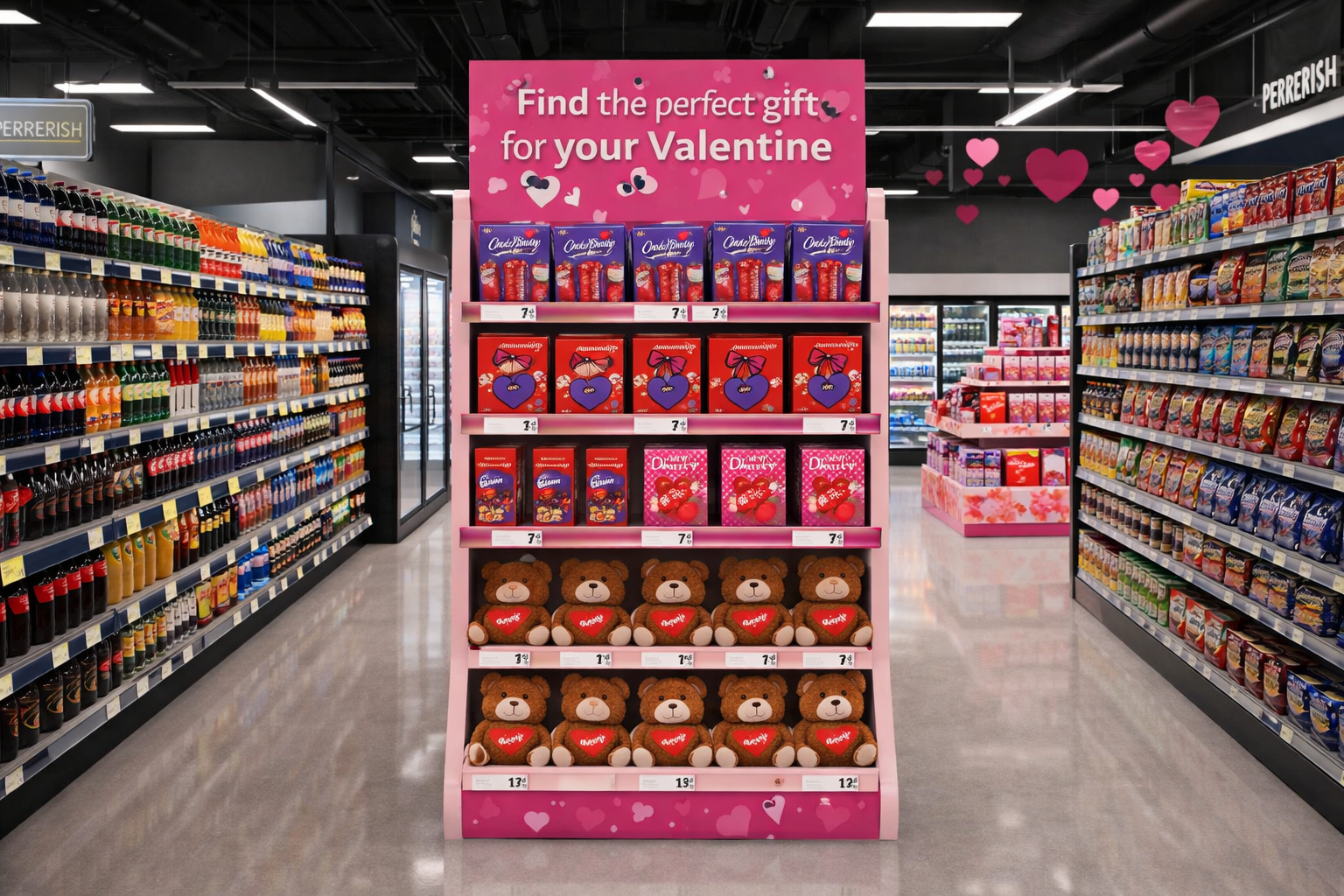
| Seasonal activation | Tight deadlines, many stakeholders, high visibility | Shows fit, scale, and environmental impact before launch, particularly when validated through controlled environments such as Storelab Research, where concepts can be tested before rollout. |
| Category reset | Commercial upside weighed against space and adjacency pressure | Makes spatial trade-offs visible to all functions |
| New fixture concept | Strong creative case with unclear practical implications | Tests presence, usability, and store-team feasibility |
| Supplier-funded display | External urgency alongside internal caution | Provides shared context for faster, more confident sign-off |
| National rollout | One concept across dozens of store formats | Highlights format-specific risks before execution |
Australian retailers operating across large store networks (think Woolworths, Coles, or Chemist Warehouse formats) face this challenge acutely. A concept approved at head office needs to work across stores that vary in size, layout, traffic pattern, and operational capacity. 3D review gives the business a way to pressure-test that fit before committing to a national execution plan.
Diagnosing your own approval process
For senior retail leaders considering whether the current process is working well enough, a few internal questions are worth sitting with:
Where do store-related approvals consistently slow down, and which functions are usually responsible for the delay?
How often are concepts reworked after what seemed like broad agreement?
Do the materials used in approval meetings resolve disagreement, or do they mainly present the idea more attractively?
How frequently does the field raise issues that should have been visible at the planning stage?
Are major in-store decisions being made with enough spatial and operational context?
Uncomfortable answers to those questions usually reveal a gap in the process itself, specifically in the context available at the point of decision. The ambition is usually fine. The information that supports the decision is where the weakness sits.
For teams looking to address that gap, reviewing how solutions like Storelab Connect are applied in practice is often the next step.
Better decisions before the money is spent
Retailers are being asked to run leaner operations with less room for waste, and that applies to decision-making as much as it does to inventory, labour, or media spend.
A store concept does not need to be reckless to become expensive. It only needs to be approved before its weak points are visible. Once that happens, the cost shifts downstream into rework, operational strain, compromised execution, or a rollout that never quite matches the ambition of the original plan.
3D store software earns its place when it helps the business decide earlier, more clearly, and with fewer avoidable surprises. For senior teams running complex retail operations, that is where the value sits.
Frequently asked questions
Why do retail store approvals take so long?
Large store decisions involve competing priorities across category, marketing, VM, operations, and store teams. Each function can support the same concept while holding different views on execution risk, visibility, labour impact, or practicality. When the materials used in approval meetings cannot resolve those differences, the cycle expands.
How does 3D store software improve retail approvals?
It gives stakeholders a shared, spatially accurate store environment to review concepts in context. That helps teams evaluate trade-offs earlier, surface objections during planning rather than execution, and reach more durable agreement.
When should retailers use 3D store software in planning?
It is most useful for higher-stakes decisions: category resets, seasonal campaigns, supplier-funded displays, new fixture concepts, and multi-store rollouts where the cost of getting execution wrong is significant.
Is 3D store software only useful for visual merchandising teams?
No. Category, commercial, operations, store development, and field-facing teams all have a stake in how a concept performs once it reaches the shop floor. 3D review gives each function a way to evaluate the concept from their own perspective, using the same environment.
What is the difference between 3D store software and a concept deck?
A concept deck frames the commercial and creative logic behind a proposal. 3D store software lets teams pressure-test that proposal in realistic store context, including sightlines, adjacencies, spatial fit, and likely execution challenges, before costs escalate.
Can 3D retail simulation help reduce rollout risk?
It can help reduce risk by surfacing issues around visibility, spacing, store-format variation, and execution practicality earlier in the planning cycle, when changes are still inexpensive to make.