
Why category managers are replacing guesswork with real shopper data
Category management sits at the heart of retail strategy.
It shapes how products appear on shelves and how shoppers experience a store. For many years, decisions about product assortments, planograms, and promotions often relied on historical sales data, supplier presentations, or the intuition of experienced professionals. While valuable, these approaches can overlook a critical element: the actual behaviour of the shopper in a live retail environment. Today, category managers are moving past assumptions, demanding real shopper data to drive their strategies.

The limits of assumption-led category planning
Assumption-driven decision-making can lead to several risks:
Why traditional data isn’t enough
For decades, sales data has been the backbone of category management. It shows what products sold, when, and where. This information is essential for understanding performance. However, sales data alone presents only a partial view. It reveals the outcome of a shopping trip but rarely explains the why behind a purchase—or a non-purchase.
This is where behavioural data steps in. It captures how shoppers interact with a category, what they notice, what they ignore, and what influences their choices. This deeper insight helps bridge the gap between knowing what happened and understanding why it happened.
Here’s a comparison of these data types:
| Data Type | What It Shows | What It Misses | Result |
|---|---|---|---|
| Sales Data | What products sold, purchase volume | Why shoppers bought or ignored a specific item | Partial view |
| Shopper Behaviour Data | How shoppers interact, notice, and choose products | Captures triggers and barriers to purchase | Complete view |
How virtual shopper research transforms category strategy
Key aspects of this transformation include:
- Gaze tracking: Eye-tracking technology records precisely where shoppers look, what catches their attention, and how their eyes move across a shelf. This reveals the true visibility of new products, packaging, and point-of-sale materials.
- Behavioural analysis: Beyond eye movements, the platform captures shopper paths, interaction points, and purchase decisions. This provides a rich dataset on how different layouts or product placements impact navigation and conversion.
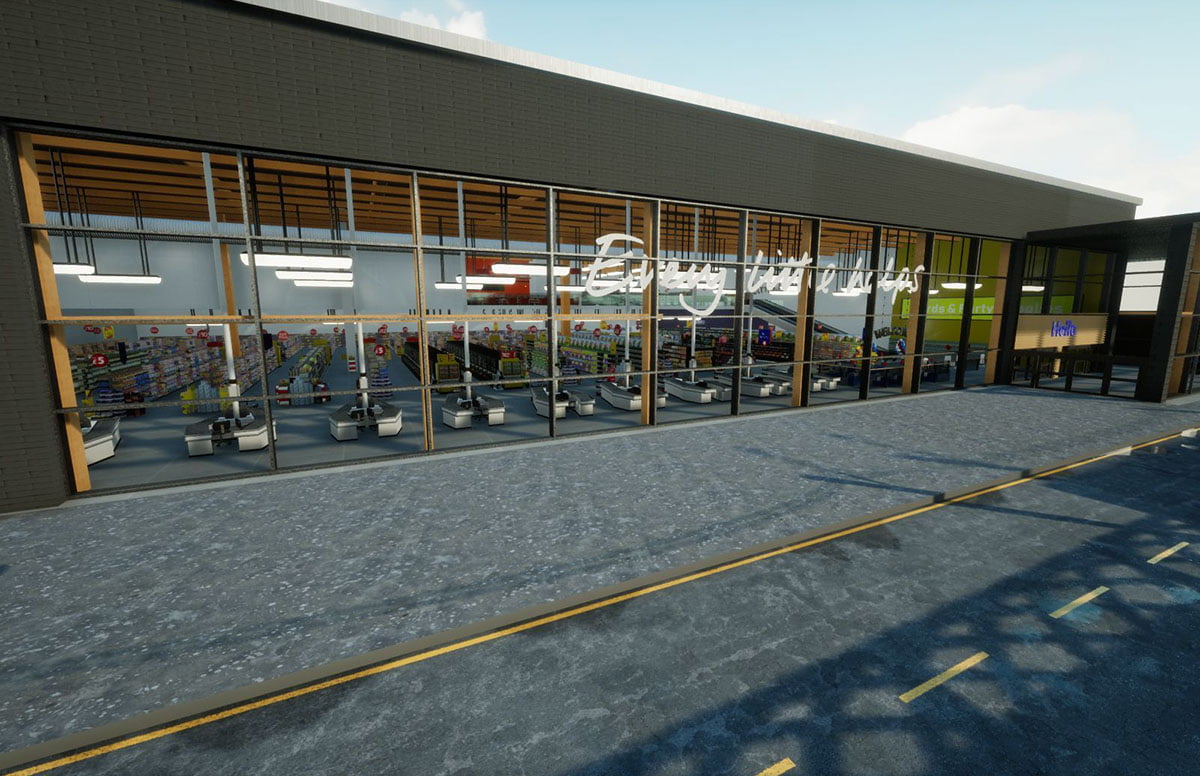
- Virtual retail environments: With over 150 virtual store environments, from supermarkets to convenience stores, brands can test in diverse retail formats relevant to their market.
- Extensive product libraries: The platform features over 40,000+ 3D product SKUs. This allows for realistic planogram creation and competitive set testing.
Measurable outcomes for category teams include:
- Improved range optimisation, ensuring every product earns its place.
- Stronger retailer buy-in for new strategies, backed by hard data.
- Reduced risk in range reviews and product launches.
- Evidence-backed shelf decisions that genuinely resonate with shoppers.
- Enhanced campaign, pack design, and planogram testing results.
Moving from opinion to proof
Historically, presenting category recommendations to retailers involved a mix of PowerPoint slides, internal sales forecasts, and subjective assumptions. This approach often struggled to cut through, leading to resistance or diluted implementation. Today, category teams are leveraging real shopper insights to craft compelling, data-backed retail stories.
StoreLab helps category teams move from mere opinion to concrete proof. Insights derived from virtual shopper research provide objective evidence. This data visualised through virtual store walkthroughs creates a persuasive and credible argument for change.
| Approach | Method | Impact |
|---|---|---|
| Traditional | PowerPoint slides, internal assumptions | Subjective, low conviction, open to debate |
| Data-backed | Shopper data visualised through virtual stores | Objective, persuasive, credible, drives action |
Turning insights into retail action
Gathering robust shopper insights is only one part of the equation. These insights must then translate into effective action at the retail front line. StoreLab’s integrated solutions ensure a continuous loop, connecting research findings directly to practical implementation.
Insights from StoreLab Research inform optimised strategies. StoreLab Connect facilitates seamless collaboration, allowing teams to share virtual store walkthroughs and research findings with stakeholders, including retailers. This ensures everyone is aligned before moving to execution.
The continuous loop of category optimisation involves:
Tracking real-world execution with tools like StoreLab FieldForce to ensure compliance.
This comprehensive approach means that the ideas tested and validated virtually are precisely the ones implemented in physical stores.
The new role of the category manager
The modern category manager is no longer simply an analyser of past sales. They are an insight translator, turning complex shopper data into actionable retail strategies. Their role is to champion the shopper, ensuring that every decision on the shelf is informed by how real people see, choose, and buy products.
StoreLab empowers this new generation of category leaders with proven tools and deep experience. With over 35 years of retail experience, StoreLab has built platforms capable of generating profound insights. This includes access to over 150 virtual retail environments and a library of 40,000+ 3D SKUs. These resources ensure category managers have the depth and reliability needed to make confident, data-driven decisions. They can move beyond guesswork, crafting categories that truly resonate with shoppers and drive sustainable growth.
To explore how StoreLab can enhance your category management with real shopper data, visit StoreLab Research and StoreLab Connect page.