
How Australia’s Leading Retailers Are Choosing Virtual Planograms Before They Rebuild Stores
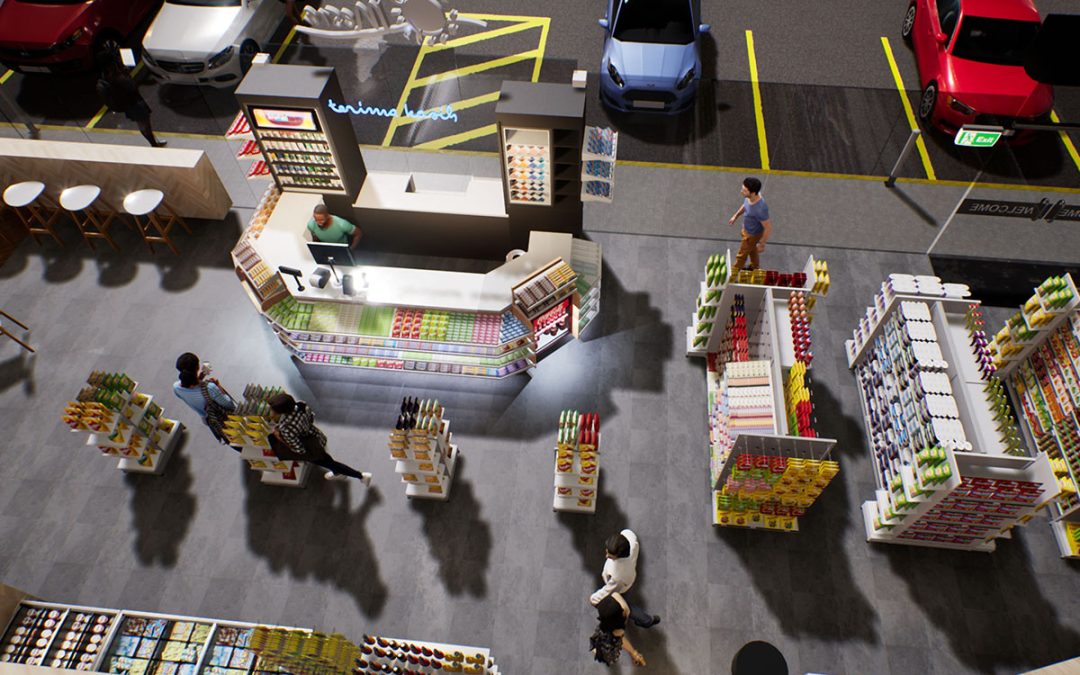
Australia’s biggest names in retail — Woolworths, Aldi, Coles, Kmart, JB Hi-Fi, and Target — have embraced virtual planogramming as their new standard for store layout planning and range reviews. Faced with the high costs and risks of physical resets, these retailers are now using immersive planogram software such as StoreLab Connect™ to virtually model store layouts, move fixtures and products in 3D, and visualise merchandising in a photo-realistic VR environment before making costly physical changes.
In this article, we explore how virtual planograms are transforming planogram management, accelerating rollouts, and setting a new benchmark for how Australia’s most competitive brands design stores.

The Case for Change: From Static PDFs to Immersive Store Layout Planning
Traditional planogram management relied on static PDFs, 2D diagrams, and expensive mock-ups — tools that made it difficult to fully visualise real-world outcomes. Every physical reset carried financial risk, often requiring costly store closures, manual labour, and multiple rounds of adjustments.
Today, the retail landscape demands faster execution, tighter budgets, and better collaboration. That’s why leading retailers are turning to virtual planograms: immersive digital twins of their stores that bring store layout planning to life in 3D and VR.
How StoreLab Connect™ Powers the Shift to Virtual Planograms
Import and export planograms directly from existing systems into StoreLab Connect™
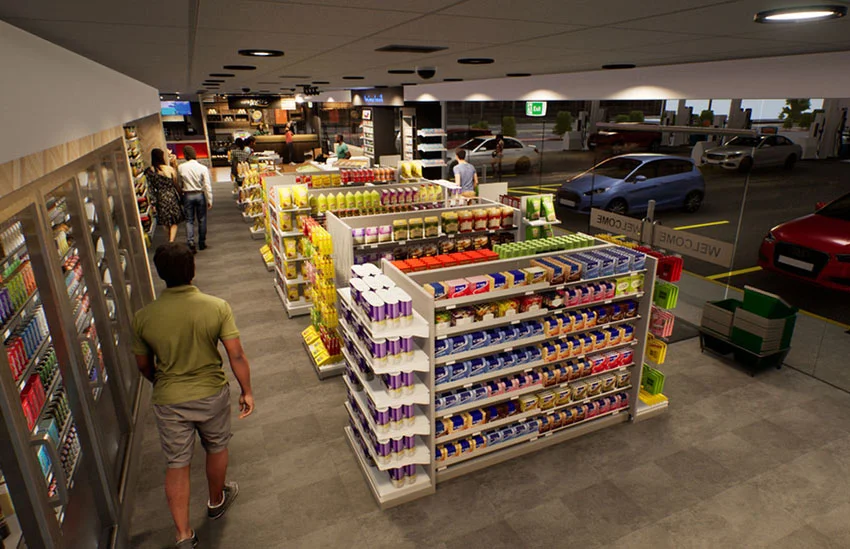
Conduct immersive walkthroughs of store layouts in VR, allowing teams to virtually “walk” through aisles
Manipulate fixtures and products in real-time to optimise flow, adjacencies, and visual appeal
Use StoreLab Storyteller™ to export professional videos and interactive presentations for stakeholder alignment
Harness dynamic data visualisation to inform range reviews, pack design, and category strategy decisions
Trusted by Australia’s Leading Retailers
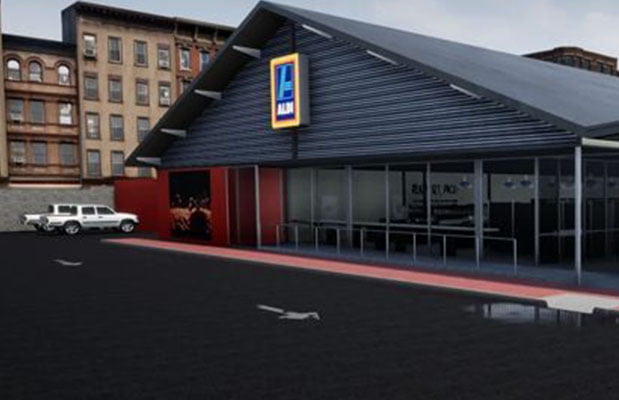
The adoption of virtual planograms is no longer theoretical. Australia’s biggest retailers — Woolworths, Aldi, Coles, Kmart, JB Hi-Fi, and Target — are already leveraging StoreLab Connect™ to:
- Reduce capex risk by validating designs before construction
- Streamline approvals through clear visualisation and collaboration tools
- Accelerate store rollouts by standardising layouts across networks
This wide-scale adoption validates the technology’s proven ROI and effectiveness in competitive, high-volume retail environments.
Measurable Outcomes for Retail Teams
Retailers using StoreLab Connect™ report significant benefits, including:
- Faster decision-making through shared virtual reviews
- Reduced costs by eliminating unnecessary physical mock-ups
- Improved collaboration between merchandising, design, and operations teams
- Better compliance with brand standards across multiple locations
By integrating virtual planograms into their store planning workflows, retailers can move from concept to execution with confidence and precision.
Why Virtual Planograms Are Now the Baseline
With proven adoption by top-tier retailers and tangible ROI, virtual planograms are now the baseline standard for store layout planning in Australia. The combination of immersive 3D visualisation, collaborative tools, and real-time data analysis ensures that every decision — from fixture placement to range review — is informed, efficient, and aligned with business goals.