
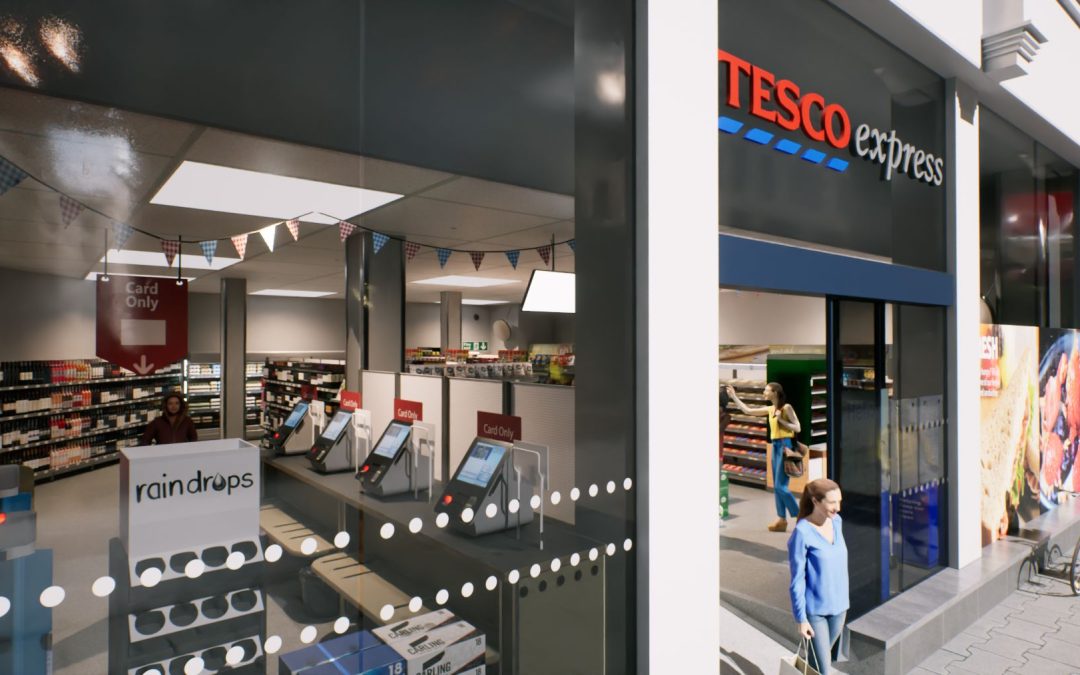
What Retailers Actually Test When They Test a Planogram
When retailers test a planogram properly, they are not just validating a diagram. They are examining how a category behaves once it is placed into a real shopping context.
Understanding what is actually tested helps explain why some planograms perform as expected after rollout, while others quietly underdeliver.
Testing Visibility, Not Just Space
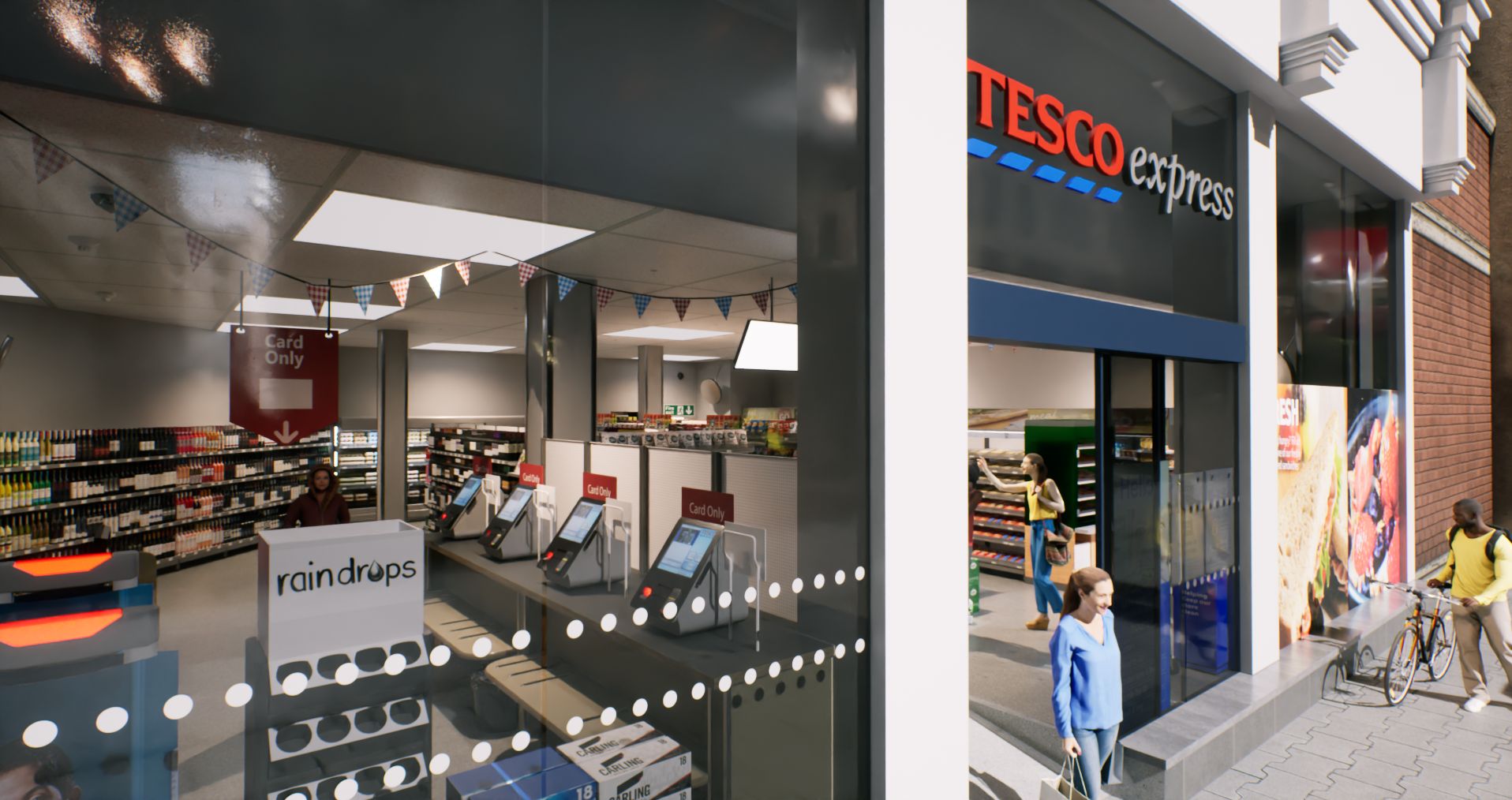
A planogram may allocate the correct amount of space to a product, but space alone does not guarantee it will be seen. Testing looks at where products fall within natural sightlines, how packaging competes with adjacent items and whether key ranges are visible at typical walking speed.
These questions are difficult to answer on a flat planogram. They emerge when the shelf is viewed in context, from a shopper’s perspective.
Evaluating Category Navigation
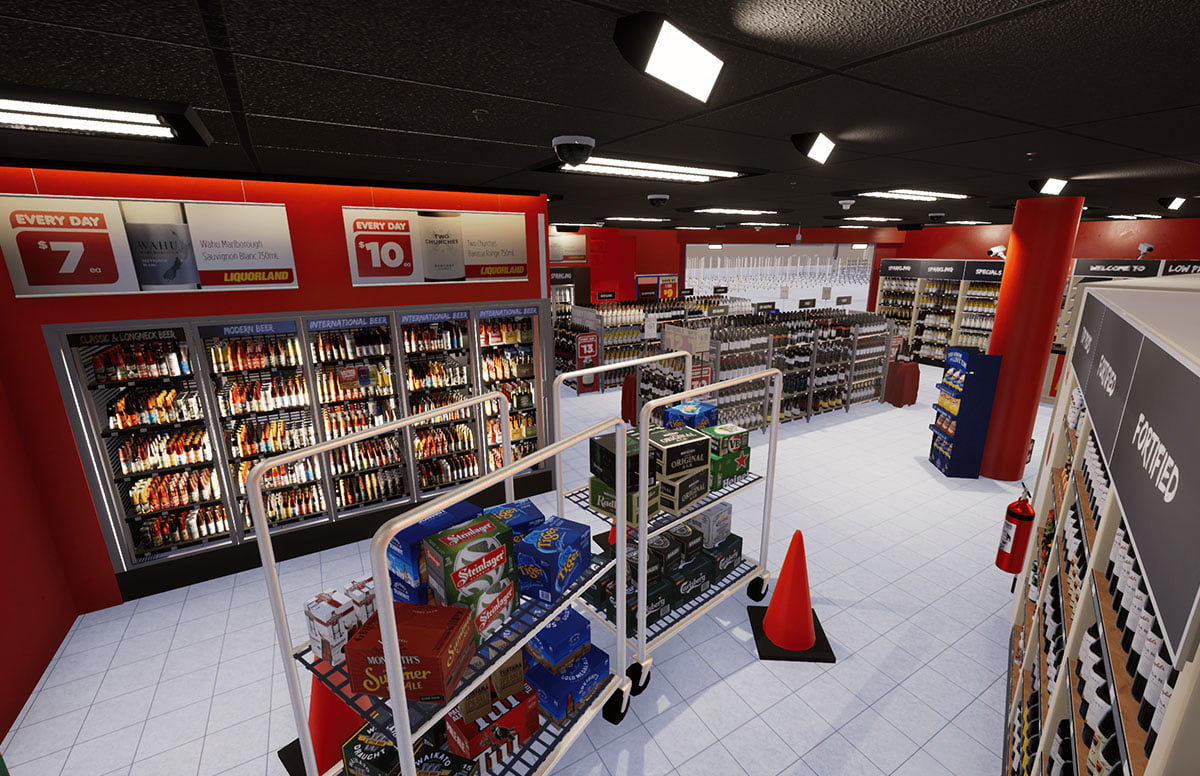
Categories are not experienced as static blocks. Shoppers move through them, often following habitual paths.
Planogram testing looks at whether the structure of a category supports that movement or disrupts it. This includes examining:
Understanding Product Adjacency
Another focus of testing is adjacency.
Which products sit next to each other can influence both visibility and choice. Retailers test whether adjacencies reinforce shopper logic or create friction, particularly in categories with multiple sub-segments.
Small changes in adjacency can alter how a category is shopped, even when overall space allocation remains the same.
Assessing Visual Load
Shelves carry a cognitive load. Too much information slows decision-making. Too little can reduce engagement.
Planogram testing considers how dense a shelf feels, how packaging competes for attention and whether key messages are lost in visual noise. This is especially important in categories with frequent promotions or packaging variation.
Visual load is rarely apparent in isolation. It becomes clear when shelves are experienced at pace.
Testing New Products in Context
New product introductions are a common trigger for planogram changes. Testing examines how these products perform once placed alongside existing ranges.
Questions include:
Comparing Alternatives, Not Predicting Absolutes
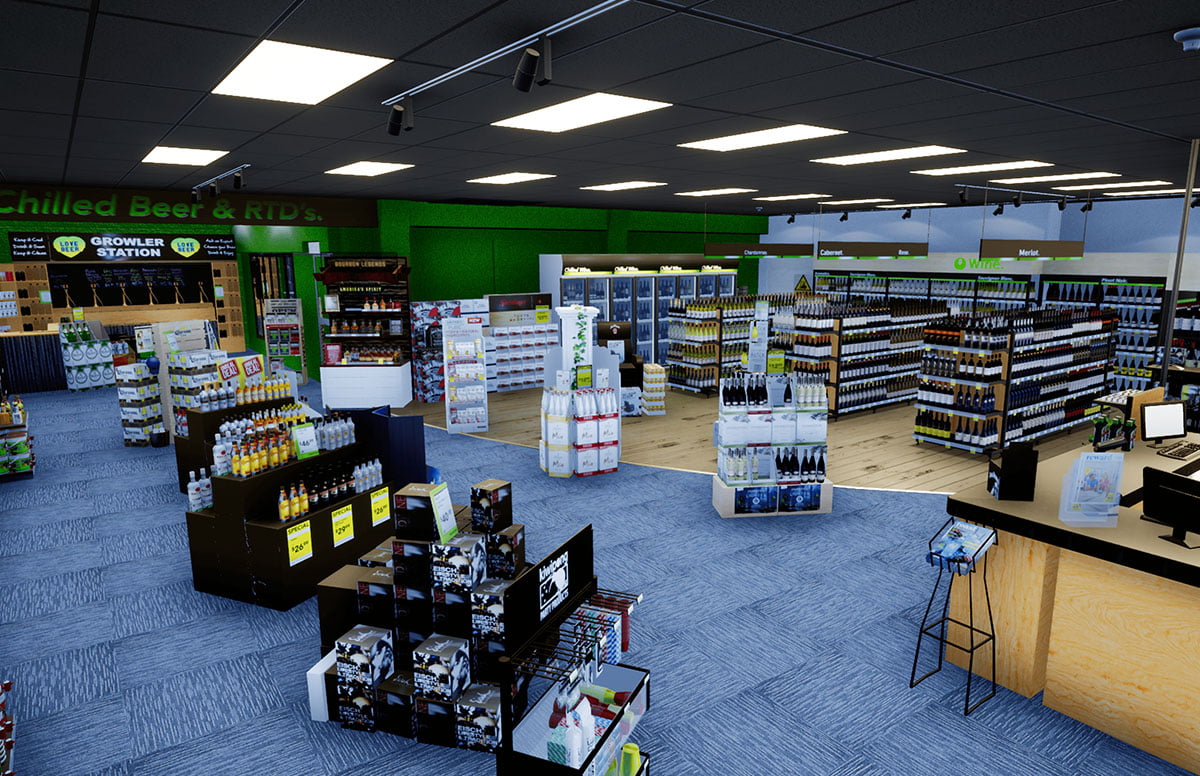
Retailers are rarely trying to predict exact sales outcomes at this stage. Instead, they are comparing alternatives to understand relative performance. Which layout supports clearer navigation. Which arrangement improves visibility. Which version introduces fewer compromises.
This comparative approach is where testing delivers the most value.
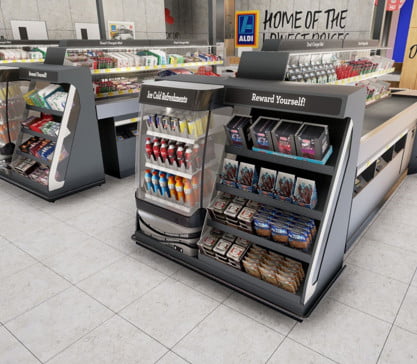
From Diagram to Experience
A planogram is a starting point, not an outcome.
What retailers actually test is not whether a shelf looks correct, but whether it works when experienced as part of a real store. Visibility, navigation, adjacency and visual load all influence that outcome.
When these factors are examined before rollout, planograms are more likely to perform as intended once they reach stores.
Frequently Asked Questions
What is planogram testing?
Planogram testing is the process of evaluating how a shelf layout performs in context, focusing on shopper visibility, navigation and interaction rather than just space allocation.
Do retailers test more than one planogram option?
Yes. Testing often involves comparing multiple planogram versions to understand relative strengths and weaknesses.
Is planogram testing only about sales prediction?
No. Testing is primarily about understanding behaviour and identifying risks before rollout, not forecasting exact sales outcomes.
What issues are commonly identified through testing?
Common findings include poor product visibility, confusing navigation, overcrowded shelves and ineffective placement of new products.
When is planogram testing most valuable?
It is most valuable for major category changes, new product introductions and large-scale rollouts where changes are difficult to reverse later.
Can planogram testing be done without physical stores?
Yes. Virtual store simulations are often used to test planograms before physical execution.