
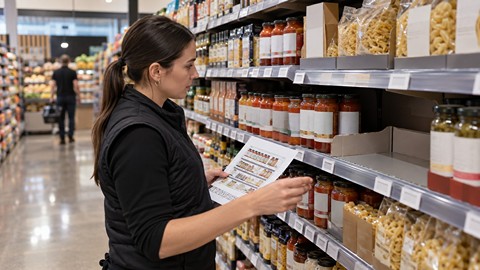
Scores in the nineties, and a category that still will not move. Compliance scoring can tell you whether the standard was met in the aisle. It cannot tell you whether the standard was right before it was issued. Here is where a wrong one comes from, how you would test a standard before it ships, and what testing it does not fix.
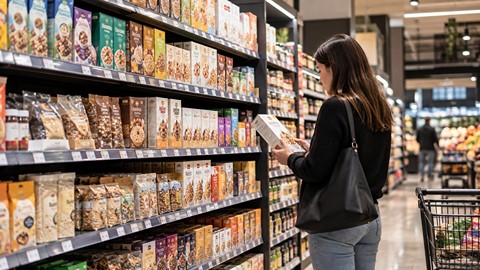
Placement arguments are usually won by whoever sounds most certain about eye level. There is a better order to work in: what the category is there to do, how the shopper works through the bay, what the rate of sale has earned, and what the shelving will hold in practice. Our new piece sets out all four, with the evidence for each.
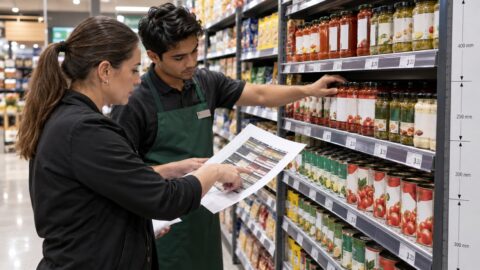
Planogram, planograms, POG, schematic: all four name the same document, and the word for the work behind it has no dictionary entry at all. We settle the vocabulary first, then go past it. What the document has to state, why a plan that is correct can still be impossible to build, and what to do about that before the reset.
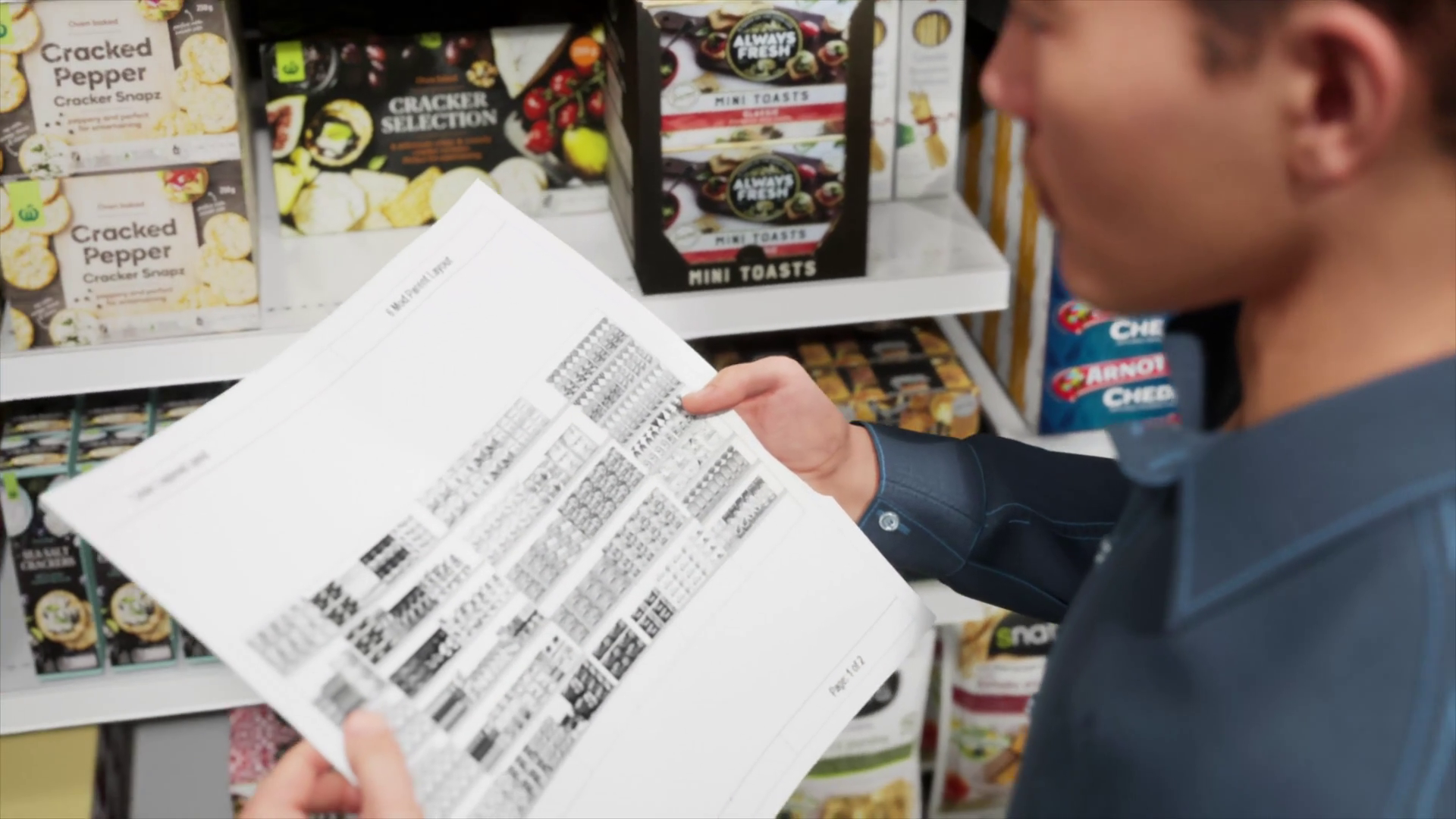
A range review can look finished while its inputs stay weak. Here is what retail and category teams should verify before approving a shelf plan.
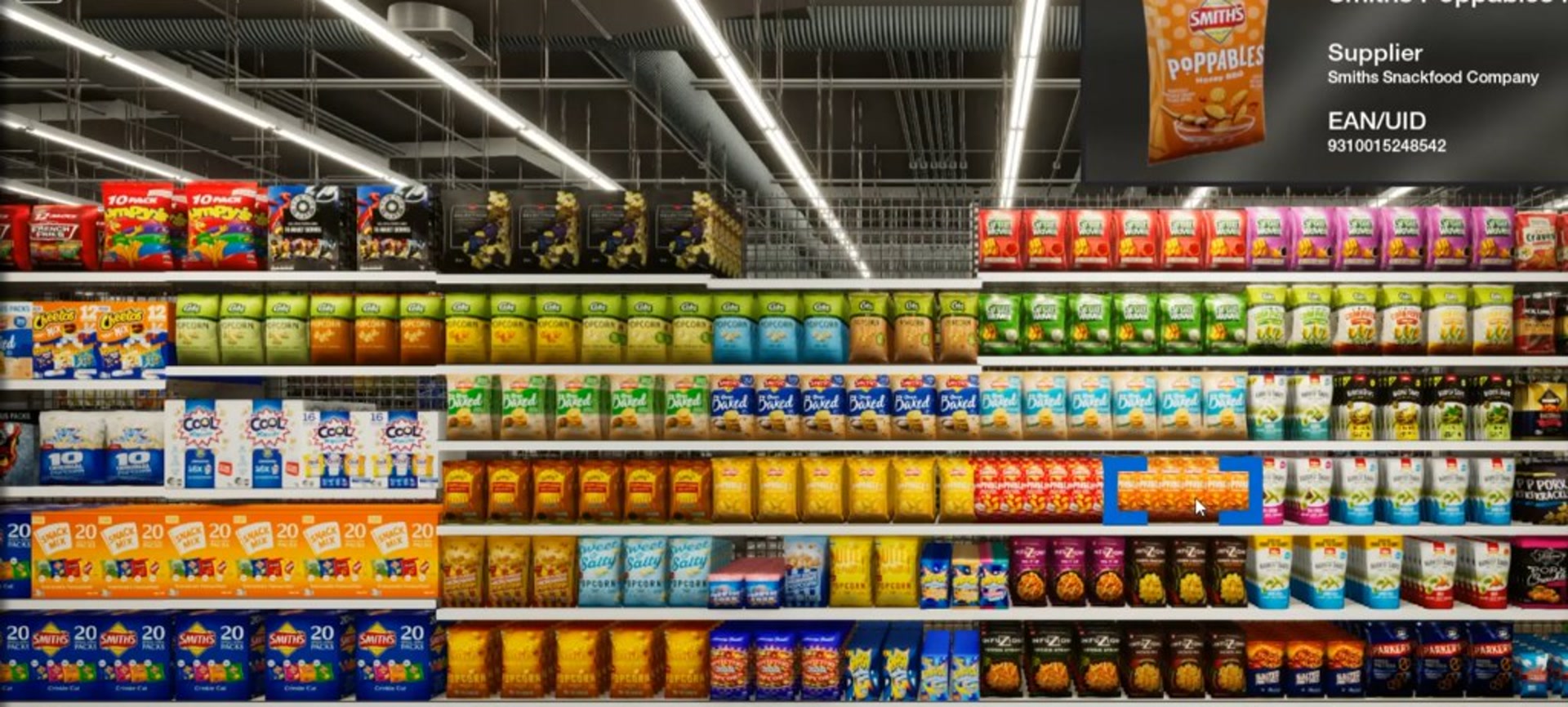
Most store design rework does not come from weak design. It comes from a brief that looked finished and left the hard trade-offs unmade. Here is what to settle, who should own each decision, and how to test the brief before the budget moves.
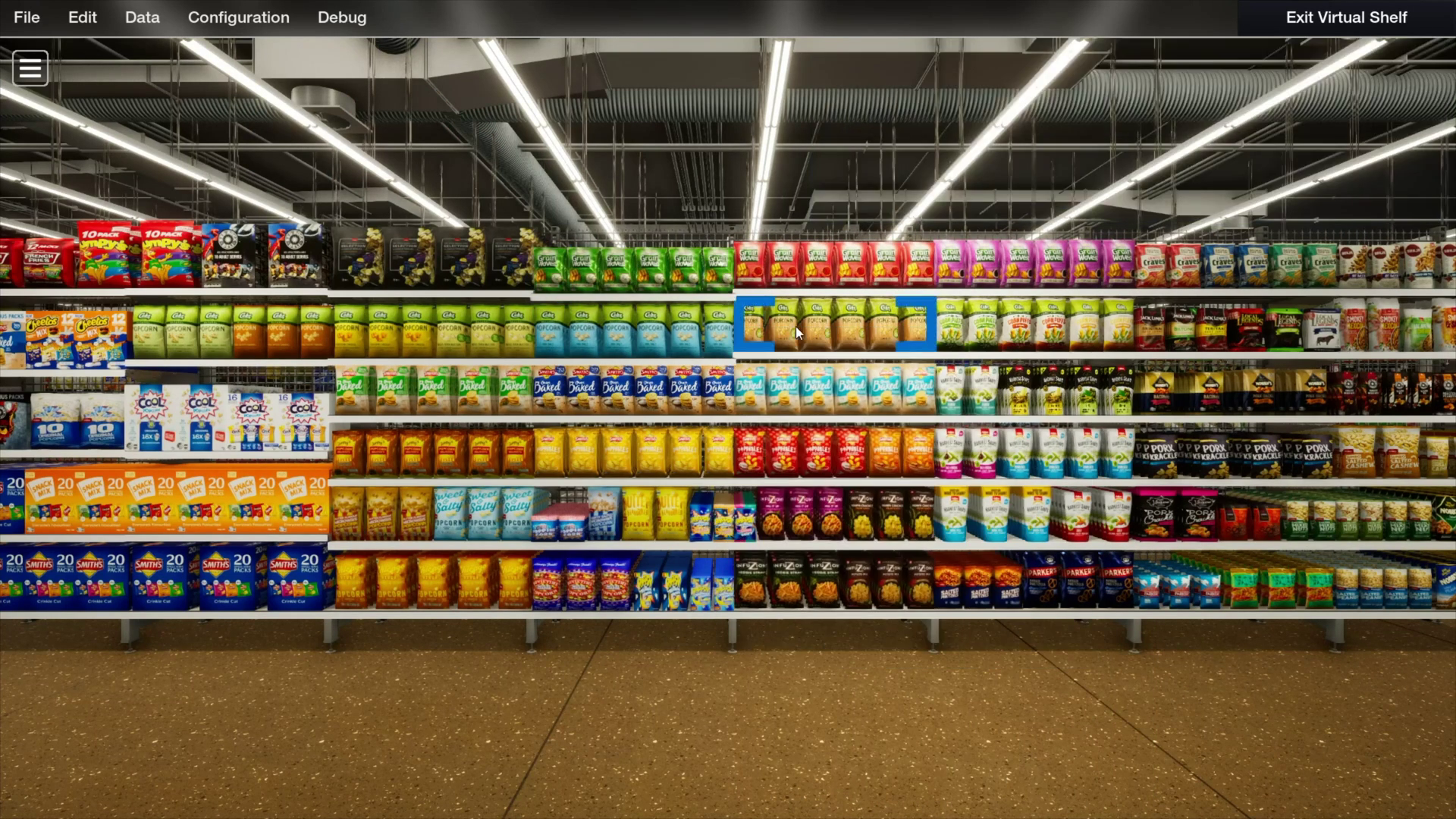
Learn the difference between planogram merchandising and visual merchandising, where they overlap, and how one shared review improves retail execution.
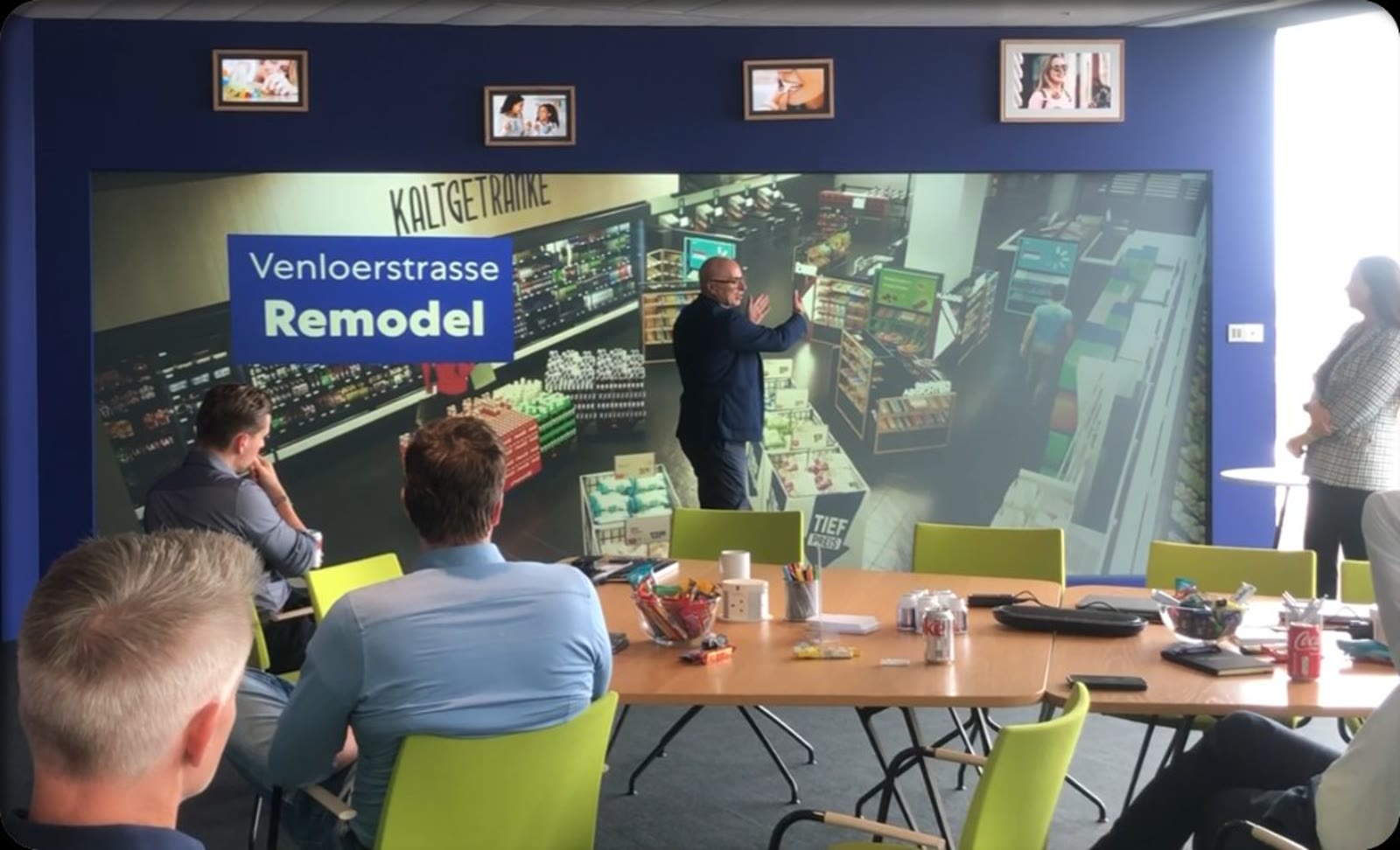
See how retail digital twins can reveal layout, fixture, and campaign risks before a store rollout reaches the network.
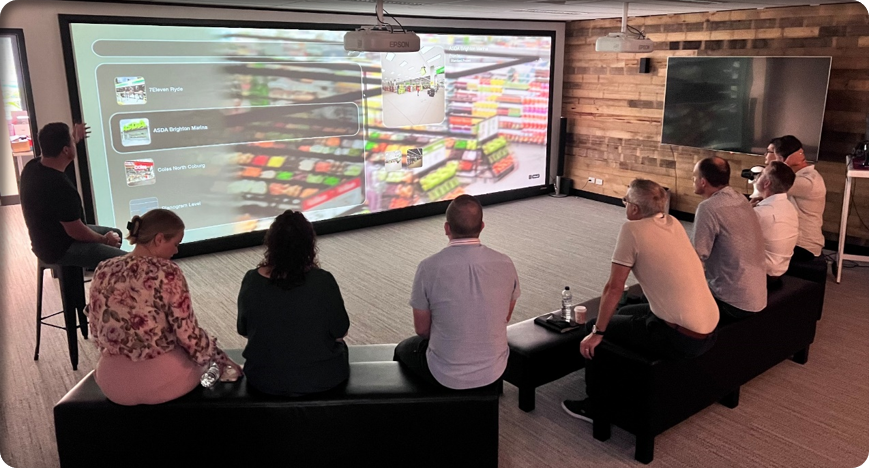
Retail store designer, store design software, and VR each solve a different problem. What each does and how to combine them on real projects.
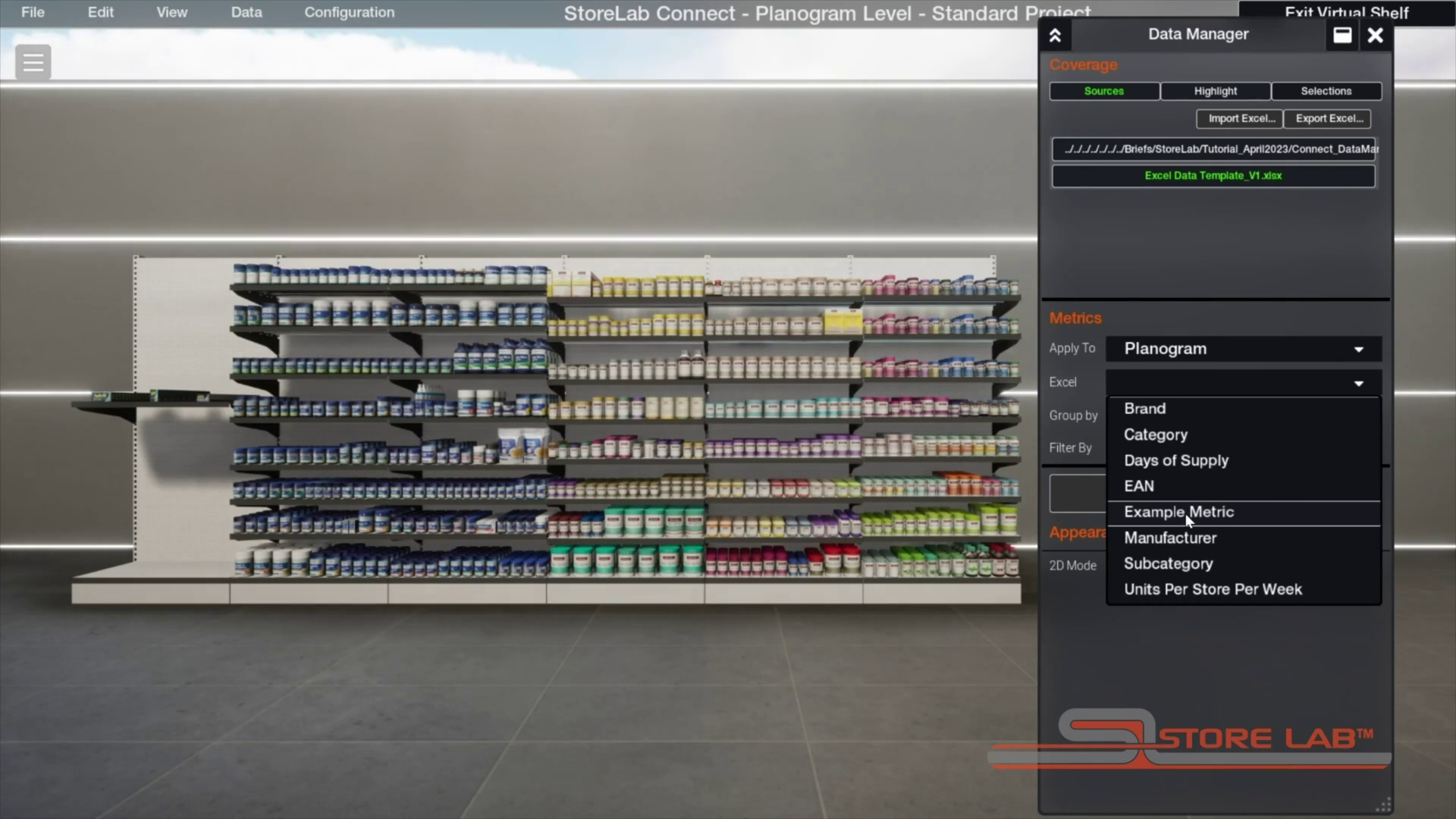
How VR-based shelf impact testing captures behavioural pack data before production, where it fits in the design cycle, and what it cannot replace.
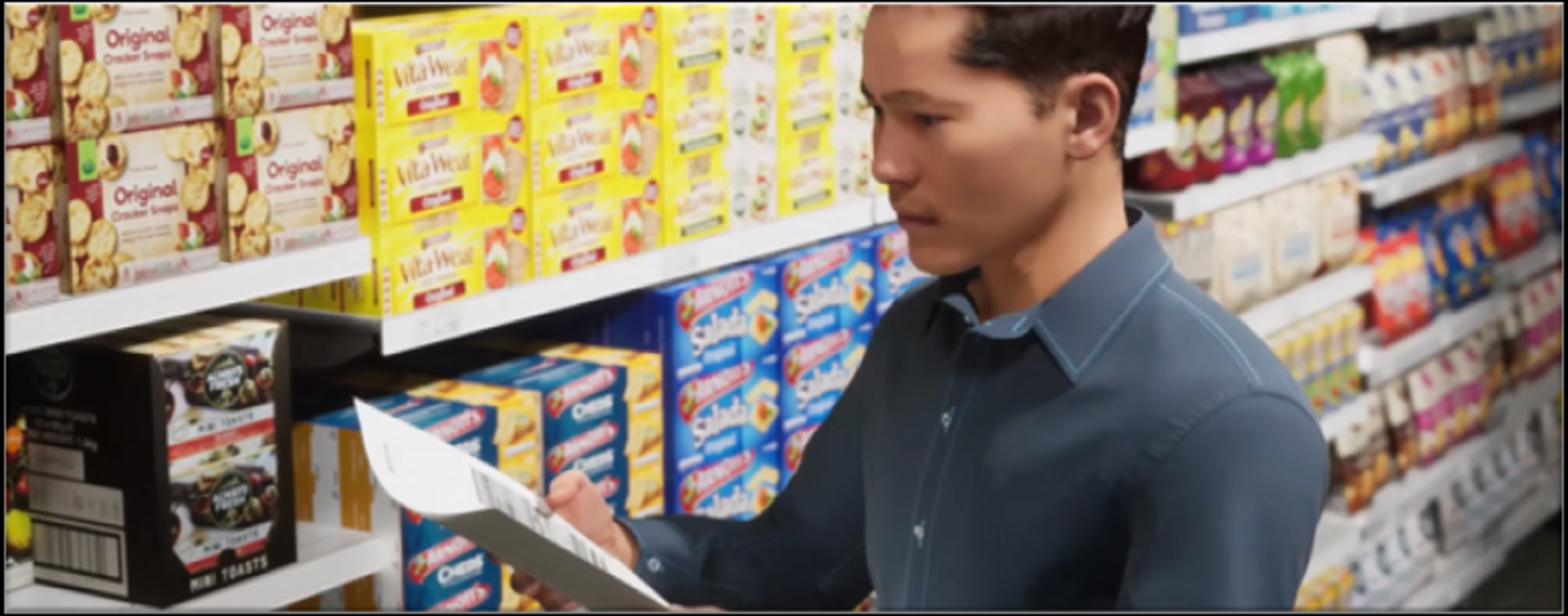
Most category review submissions stall because the buyer can’t see what the change looks like. Here’s how to build one that gets approved first time.
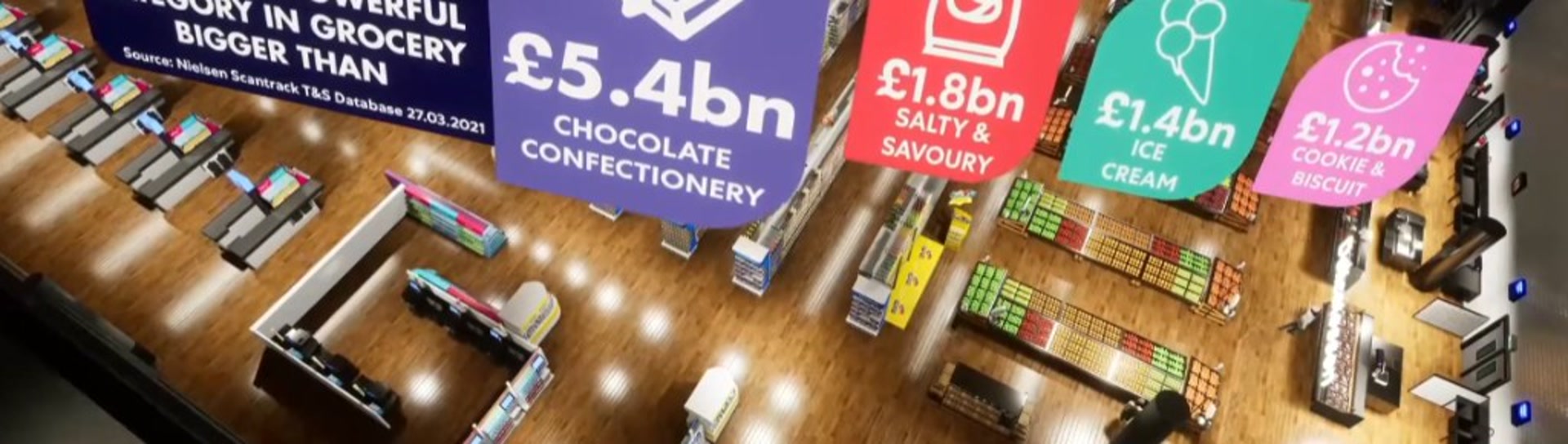
Most category review submissions stall because the buyer can’t see what the change looks like. Here’s how to build one that gets approved first time.
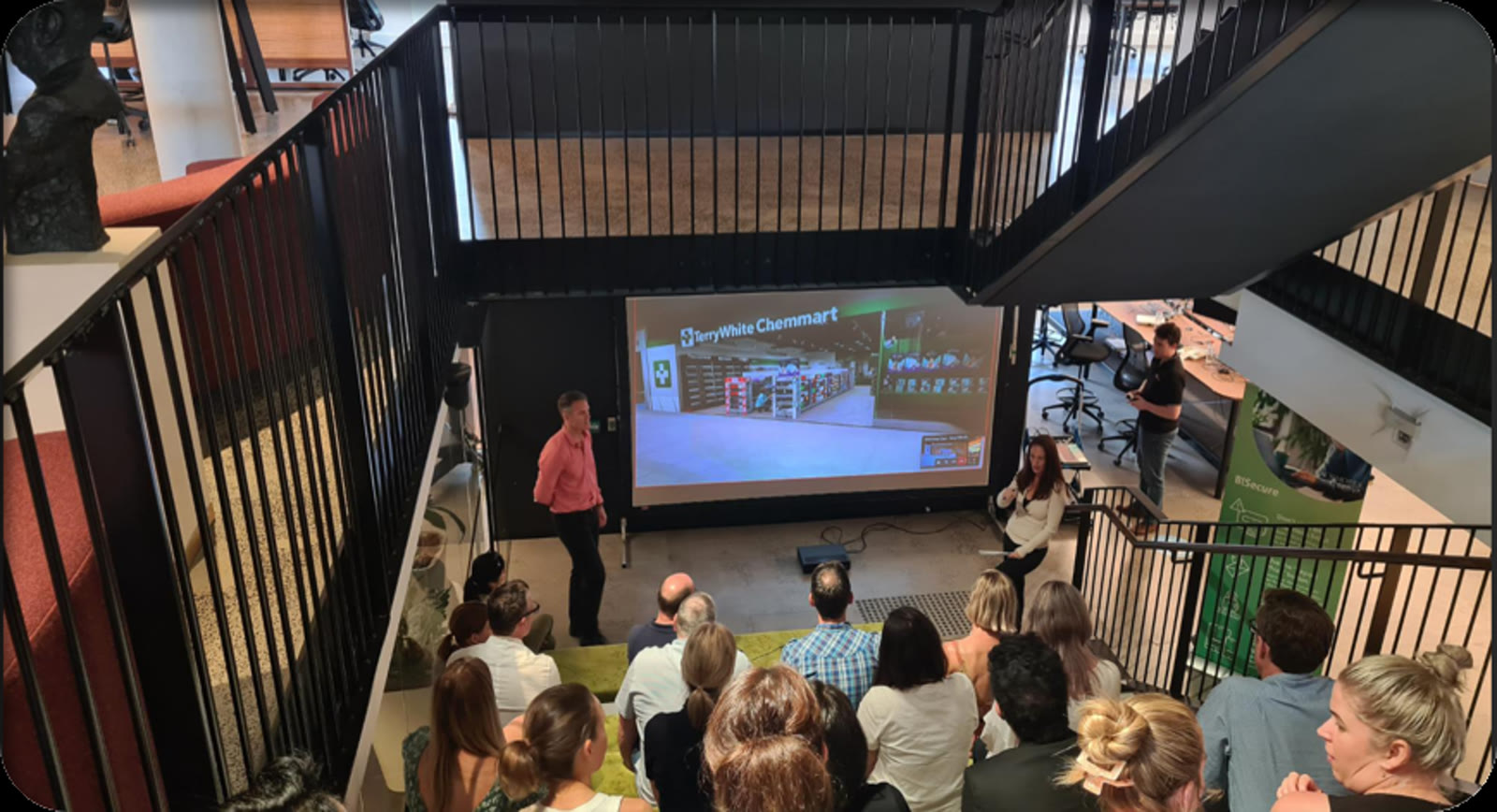
Enterprise retail store design involves data-driven spatial strategy, not just fixtures and finishes. Here is what the process actually covers.
Most large retailers can develop a strong store concept. Fewer have a structured way to test whether that concept will survive format variation, cross-functional scrutiny, and rollout complexity before capital is committed. That is the gap store design software is built to close.
The shift from shelf planning to planogram software looks like a tools question from the outside. Inside a large retail organisation, it forces a harder conversation about how category decisions are governed at scale.
Senior retail teams lose time and organisational energy when store approvals stall. 3D store software compresses the gap between concept and context, giving every stakeholder the same spatial reality to evaluate before execution costs escalate.
Most retail planning still happens in slide decks and spreadsheets. Virtual store software brings the store into the room while decisions are still being shaped, changing how teams align, approve and execute.
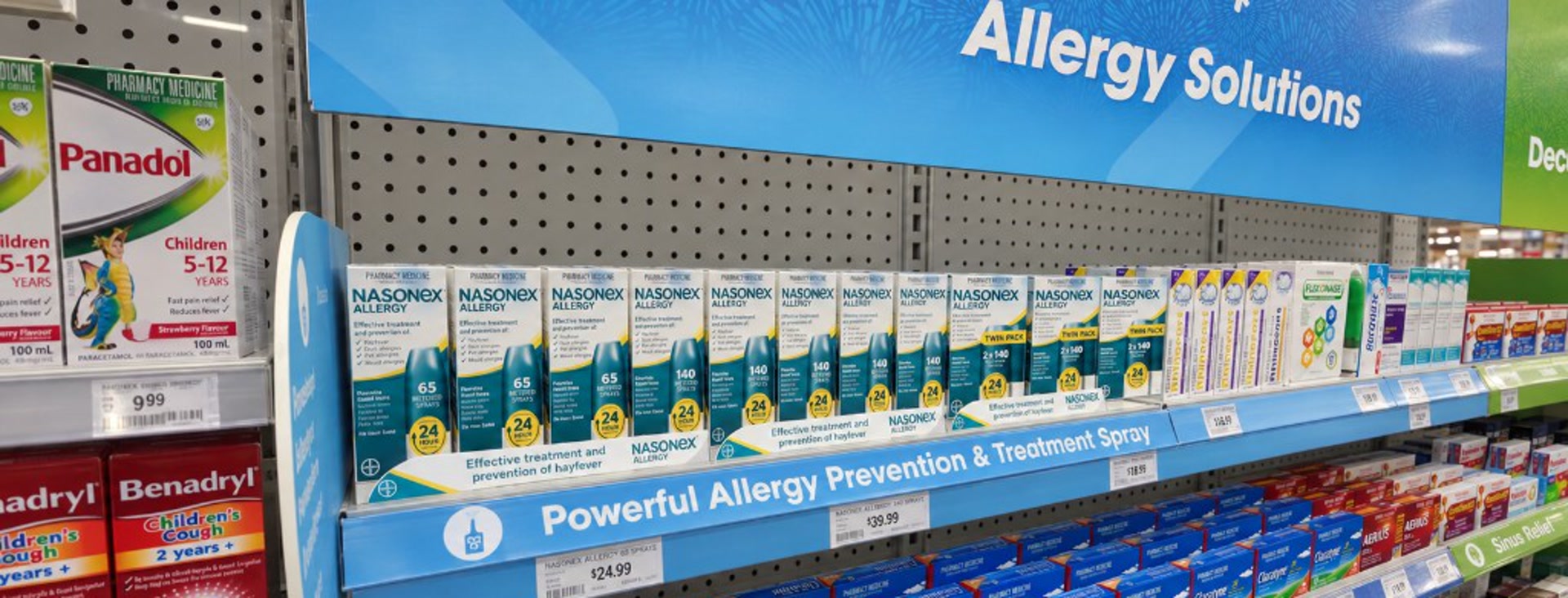
Most FMCG launches fail within two years. The ones that survive tend to share one thing in common: someone tested the decision properly before committing the budget. There is a number that should keep every category manager in Australia awake at night. According to Euromonitor International, a quarter of all new FMCG product launches tracked…
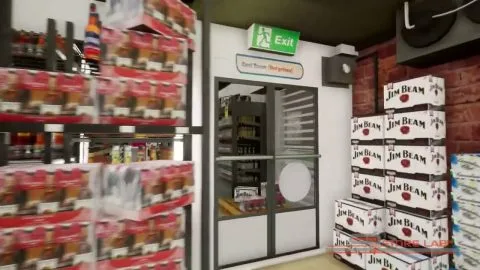
Why Australia’s sharpest retail operators are training teams in virtual stores before touching a single shelf Walk into any two branches of the same retail chain and you will likely spot the differences. A promotional end cap sits at eye level in one store and at knee height in another. Point-of-sale materials face the wrong…

Retail simulation only works if the products inside it are accurate. A virtual store is not simply a room with shelves. It is a detailed representation of thousands of individual stock keeping units, each with distinct packaging dimensions, colours, claims and shelf presence. Without a structured 3D SKU library, simulation becomes approximation rather than decision…
Planogram testing is often spoken about as if it were a single activity.In reality, it is a collection of checks, judgments and trade-offs that extend well beyond whether products fit neatly on a shelf. When retailers test a planogram properly, they are not just validating a diagram. They are examining how a category behaves once…
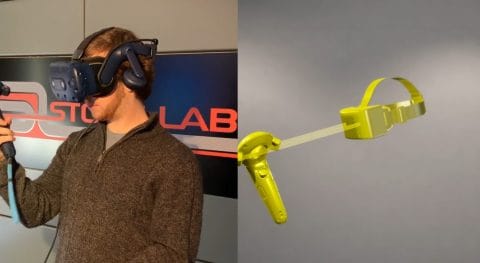
Virtual reality has been used in retail research for long enough that it is no longer new. Even so, misunderstandings about what it does, how it works and when it is useful remain widespread. Some of these misconceptions come from early experiments that promised more than the technology could deliver at the time. Others stem…
As virtual store simulations become more widely used in retail planning and research, one question surfaces repeatedly.How real does a simulated store need to be for the data to be trusted? The concern is understandable. Retail decisions carry financial and operational consequences, and teams want confidence that what they observe in a simulated environment will…
Retailers have long relied on physical test stores to trial new layouts, ranges and concepts before wider rollout.The logic is straightforward. If a change works in a real store, it should work elsewhere. In practice, physical test stores introduce trade-offs that are rarely discussed openly. They deliver realism, but they are slow, costly and difficult…
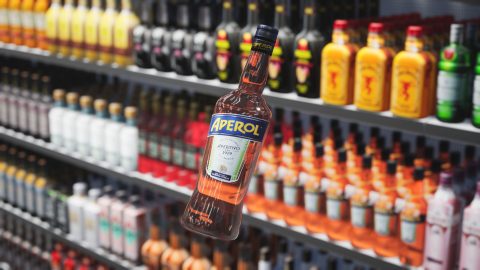
Planograms are one of retail’s most relied-upon planning tools.They define where products sit, how categories are structured and how space is allocated across a store. Long before a shopper encounters a shelf, its planogram has already shaped the decision. Yet despite the care and analysis that goes into their creation, many planograms underperform once they…
For decades, retail teams have relied on drawings, spreadsheets and physical mock-ups to imagine how stores might perform once changes were rolled out.These tools helped plan layouts and ranges, but they left a critical gap between design and reality. A VR store simulation addresses that gap. In a retail context, a VR store simulation is…
Retail decisions often feel like a guessing game. Brands pour resources into understanding shoppers, only to see their brilliant ideas stall at the retailer’s desk. Why? Because a compelling insight, no matter how sharp, means little without the retailer’s belief. This isn’t about convincing them to just listen; it’s about giving them every reason to…
Every retail manager knows that the ability to make swift, informed decisions is paramount to that store’s ongoing success. Brands and retailers face constant pressure to adapt assortments, launch innovations, and optimise shelf layouts. Historically, these choices often involved lengthy research cycles and a degree of guesswork, leading to missed opportunities or slower market responsiveness.…
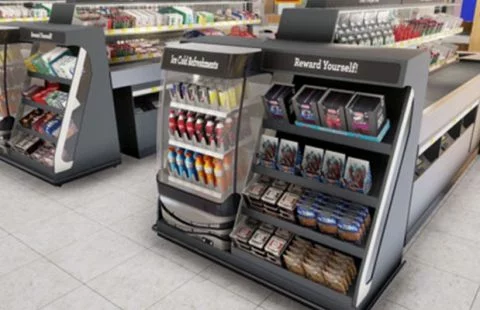
Category management sits at the heart of retail strategy. It shapes how products appear on shelves and how shoppers experience a store. For many years, decisions about product assortments, planograms, and promotions often relied on historical sales data, supplier presentations, or the intuition of experienced professionals. While valuable, these approaches can overlook a critical element:…
Innovation drives growth in fast-moving consumer goods. Yet, many new products do not succeed. Brands invest heavily in developing new lines, redesigning packaging, and crafting marketing campaigns. Despite this effort, a high percentage of these ventures never reach their full potential on the shelf. In fact, 85-90% of innovation is delisted within two years. This repeated…

The Scale Problem Running national campaigns is one of the most complex operational challenges in retail. Hundreds of stores, dozens of formats, and thousands of staff must all execute the same plan with precision. Even when the creative is strong and the planogram is clear, execution often falls short. Displays are misplaced. Signage arrives late.…
The Cost Challenge of Store Refits Few decisions in retail carry higher stakes than a store refit. Fixtures, signage, and layouts represent some of the most capital-intensive investments a retailer can make. When designs fail to deliver on expectations, the losses are not limited to the budget line. They affect operations, shopper experience and staff…
The Challenge of Convincing Retailers Getting a new display or product launch approved by a retailer can be one of the most difficult tasks a supplier faces. Buyers are under pressure to make decisions that protect category performance and store profitability. They want confidence that any new fixture, packaging or layout will genuinely attract shopper…
The Battle for the Shelf Shelf space is one of retail’s most valuable assets. Every centimetre of frontage influences sales, brand visibility and category performance. Yet negotiations between suppliers and retailers over who gets what space often become tense and difficult. Brands push for premium eye-level placement. Retailers must balance fairness, shopper flow and revenue…
The Pressure to Prove What Works Across Australia’s retail sector, marketing budgets are under heavier scrutiny than ever. Every dollar spent on in-store campaigns, seasonal promotions or category resets must now be justified with measurable returns. Yet for many chains and FMCG brands, the question remains unanswered: how much of what is planned at head…
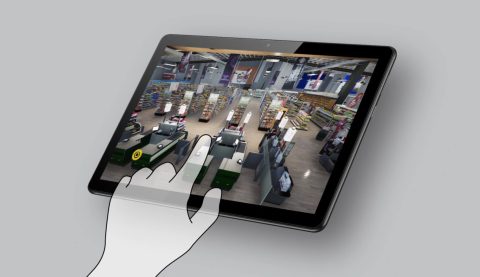
Retailers and brands spend millions designing and rolling out in-store displays, hoping to capture shopper attention and boost sales. But too often, these displays fail to deliver the impact they were designed for — resulting in wasted budgets on printing, shipping, and installation, and disappointing returns on investment. Today, forward-thinking retail leaders are using VR-based…
Australia’s biggest names in retail — Woolworths, Aldi, Coles, Kmart, JB Hi-Fi, and Target — have embraced virtual planogramming as their new standard for store layout planning and range reviews. Faced with the high costs and risks of physical resets, these retailers are now using immersive planogram software such as StoreLab Connect™ to virtually model…
Retailers have long struggled to answer a deceptively simple question: what are shoppers really looking at? Traditional methods like observation or 2D eye-tracking can only reveal part of the picture. But thanks to advances in virtual reality, eye tracking is now entering a new era, and with it, so is shopper research. This article explores…
Retail design used to be about fitouts and floor plans. Today, it’s a tech conversation. From embedded connectivity to real-time analytics, the way retailers approach physical space is shifting fast. It’s no longer just about look and feel, it’s about functionality, flexibility, and data-driven performance. In this article, we explore how digital store design is…
Retail today isn’t just about products on shelves (it’s about how those products are discovered, tried, and remembered). Experiential retail creates emotional connections that traditional stores can’t replicate, and in the age of data-led strategy, those experiences are becoming more measurable, personalised, and performance-driven than ever before. In this article, we look at how experiential…
Digital twins are reshaping how retailers design and optimise store spaces. These virtual replicas let you test layouts, signage, and merchandising strategies before making costly real-world changes – cutting risk and speeding up execution. This guide explores what digital twins really are in the retail context, why they’re becoming essential, and how StoreLab is enabling…
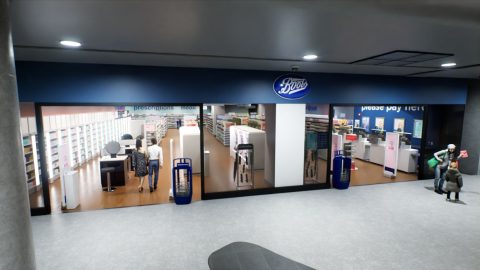
Virtual Reality (VR) is rapidly changing the way retailers plan, design, and optimise physical store environments. From improving customer flow to reducing fit-out costs, VR technology gives retail leaders more control, speed, and data-backed insights than ever before. In this guide, we explore how VR is transforming store design, what benefits it brings, and how…
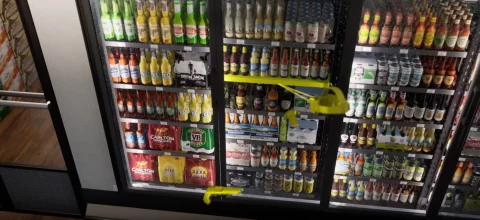
Setting up a 3D virtual store might sound complex—but it doesn’t have to be. Whether you’re planning new layouts or testing promotions, 3D virtual store software are changing the way retailers work. If you’re wondering how to get started, here’s a simple, step-by-step guide to help you implement virtual store software with confidence.Step 1: Set…
In the rapidly evolving retail landscape of 2025, grocery store simulators have emerged as invaluable tools for retailers aiming to enhance customer experiences, optimise store layouts, and boost profitability. These virtual store simulations enable businesses to experiment with various strategies in a risk-free environment, leading to more informed decisions and efficient operations.Understanding Grocery Store Simulators…
Renovating your retail space can be exciting. You’re envisioning a fresh new look, improved customer flow, and, of course, a boost in sales. But it can also be a minefield of potential pitfalls, and those mistakes can seriously dent your budget. Imagine ordering the wrong flooring, realising the layout doesn’t work after the walls are…
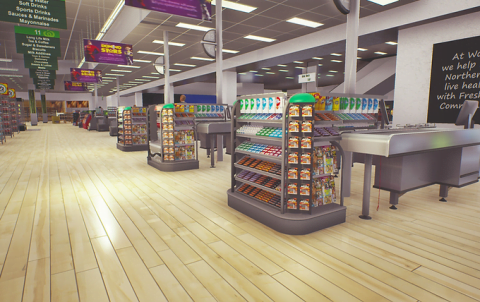
The world of retail is constantly evolving, and keeping up with the latest trends can feel like a full-time job. But when it comes to store design, one technology is making waves like no other: Virtual Reality. VR is transforming how retailers plan, design, and experience their spaces, and we’re here to give you the…
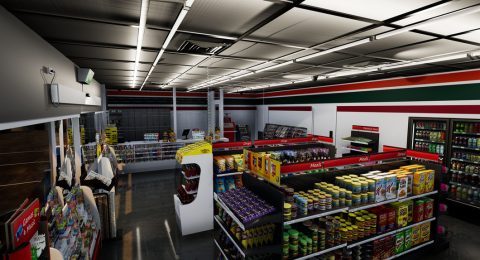
Achieving Excellence in Retail Campaigns: Tools for Better Execution and TrackingLooking to revamp your store, give it a fresh new look, maybe even boost those sales figures a bit? When it comes to planning your dream retail space, you’ve got a big decision to make: stick with the tried-and-true traditional store mock-ups or take the…
Achieving Excellence in Retail Campaigns: Tools for Better Execution and TrackingRunning a grocery store these days is no walk in the park. Margins are tight, competition is fierce, and customers are more demanding than ever. You’re constantly juggling product placement, staffing, and a million other things just to keep the doors open. But what if…
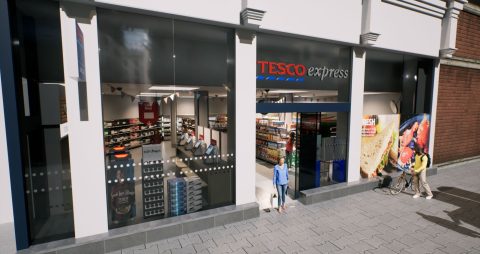
Achieving Excellence in Retail Campaigns: Tools for Better Execution and TrackingWhat’s the secret to ensuring your entire team is working toward the same campaign goals? Campaign success starts with alignment. Whether it’s a new product launch or a seasonal promotion, your team’s ability to execute the vision is key. But keeping everyone on the same…
Retail campaigns are the heartbeat of your brand’s success. But how do you ensure every store is on the same page? Consistency and precision in execution can make or break a campaign. It’s not just about creating an eye-catching campaign; it’s about ensuring that your…
What if you could test new store layouts and product displays without spending a dime on physical changes? Running a retail business is all about balancing innovation with costs, and every adjustment to your store setup carries potential risks and expenses. That’s where virtual store simulations come in, offering a cost-effective, efficient way to rethink…
What if you could see exactly how your product would perform on a store shelf before it even hits the floor?In today’s fast-paced retail world, product visibility is everything—shoppers often make split-second decisions based on what catches their eye. If your product isn’t standing out, it’s essentially invisible. That’s where virtual shelf simulations come in,…
Running a retail business means making smart decisions every day. But how do you know you’re making the right ones?The answer is simple: use customer data. When you understand your customers, you can build a retail strategy that works. Let’s take a closer look at how customer data can give you the edge.Understand What Your…
Want to make your retail business more successful? Start with a strong, targeted strategy.But how do you build one? Virtual Reality (VR) and interactive research are the answers. These tools can transform how you understand your customers and plan your store.Understanding and Engaging Your Customers First, you need to know who your customers are and…
Want to make your retail business more successful? Start with a strong, targeted strategy.But how do you build one? Virtual Reality (VR) and interactive research are the answers. These tools can transform how you understand your customers and plan your store.Understanding and Engaging Your Customers First, you need to know who your customers are and…
Want to make your retail business more successful? Start with a strong, targeted strategy.But how do you build one? Virtual Reality (VR) and interactive research are the answers. These tools can transform how you understand your customers and plan your store.Understanding and Engaging Your Customers First, you need to know who your customers are and…
We’ve all had the experience of walking into a shop, pulled by the irresistible urge to go on a splurge and spending spree. Thankfully for our retail friends – this isn’t just a game of luck or coincidence – it’s the influential art of retail…
Banner HeaderYour VR Store Simulator
Banner HeaderYour VR Store Simulator
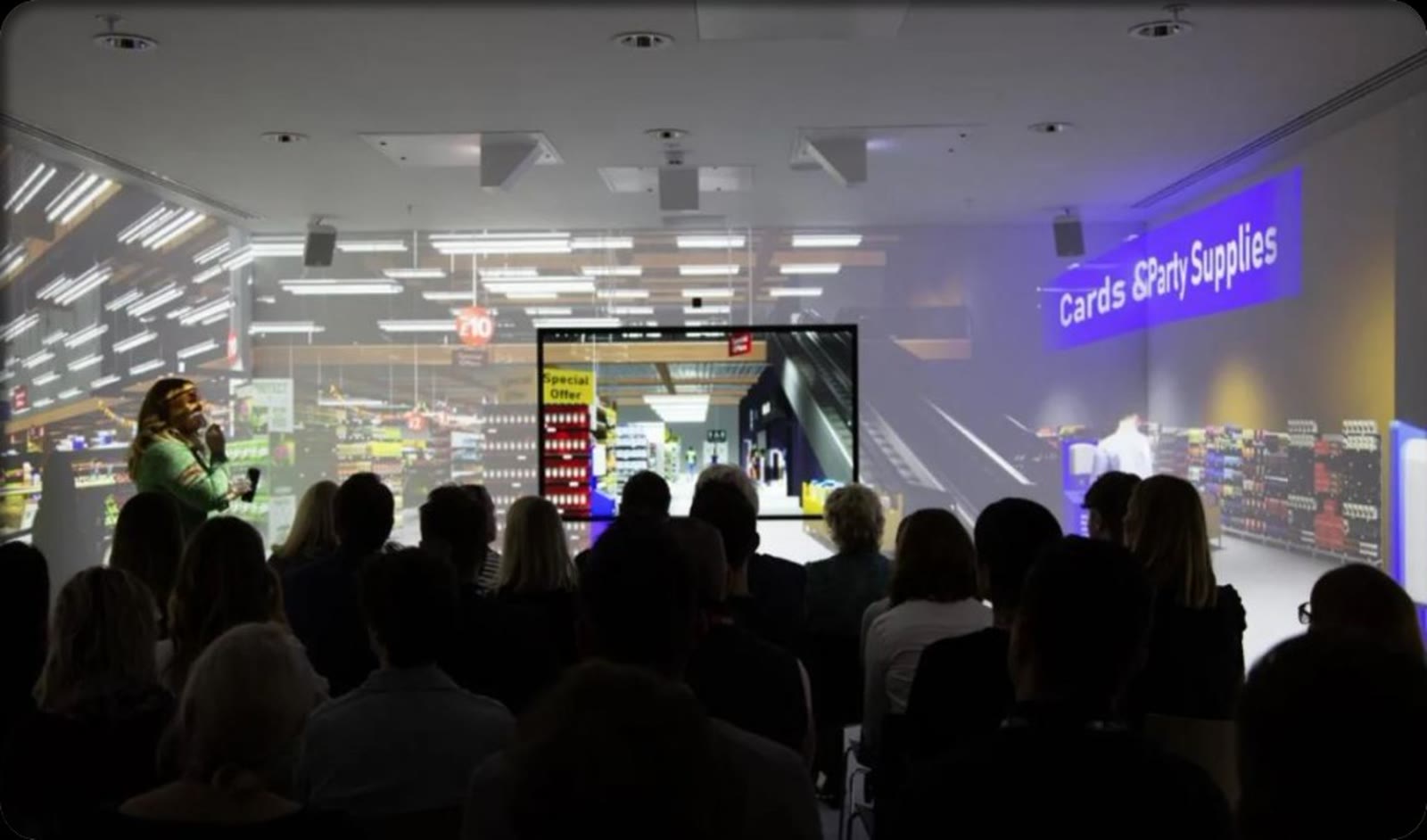
Banner HeaderYour VR Store Simulator
Banner HeaderYour VR Store Simulator
Banner HeaderYour VR Store Simulator
Banner HeaderYour VR Store Simulator
Banner HeaderYour VR Store Simulator
Banner HeaderYour VR Store Simulator
Banner HeaderYour VR Store Simulator