
How reliable is mobile retail execution data?
Mobile retail execution data can support a decision when the observation, reference standard and collection method are clear. A shelf photograph and a field rating need checking in context; neither is automatically a verified fact. They directly describe the visits recorded. A finding about the wider network needs a defensible collection and analysis method, with its limitations stated. More photographs alone do not supply that method.
For an operations lead, the practical distinction is between finding something to investigate at a store and estimating how widely it occurs. The same visit record may contribute to both, but the evidence needed for each decision differs.
What belongs in a usable store-visit record?
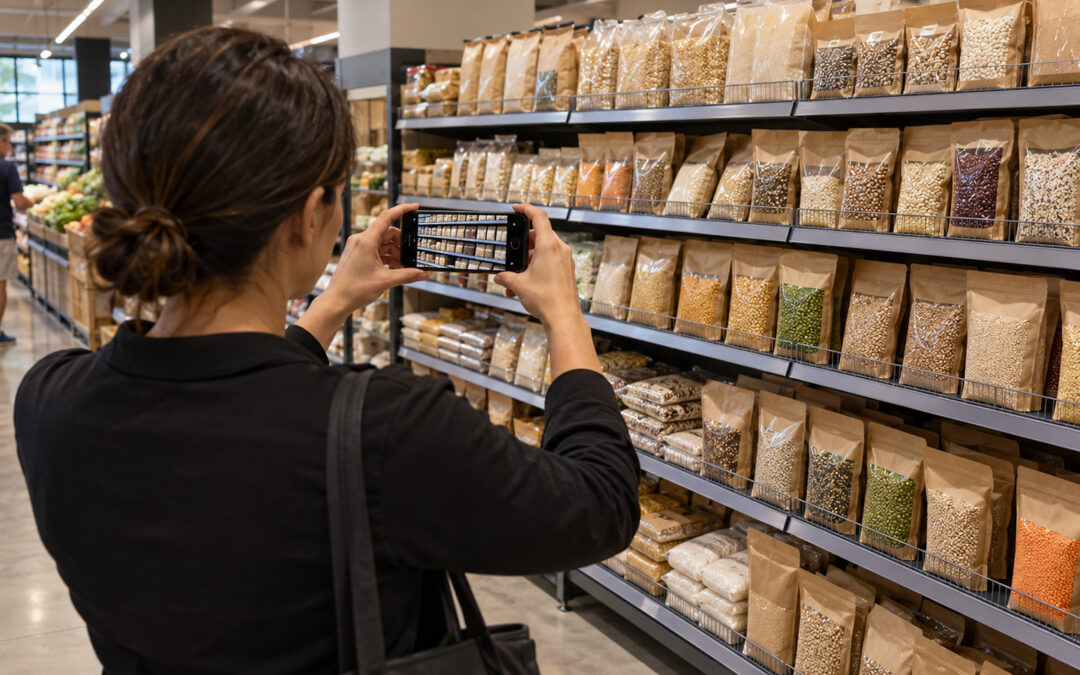
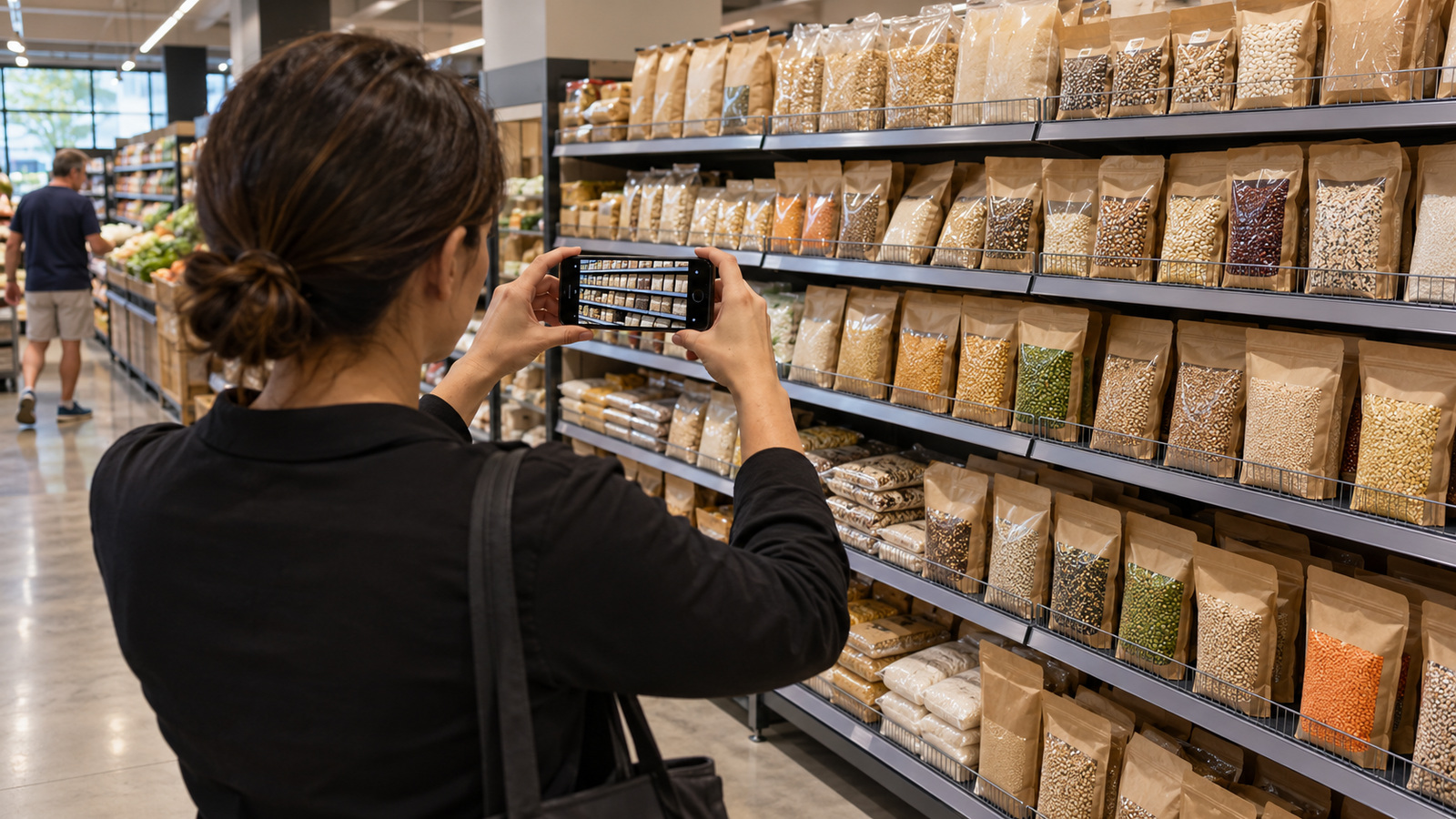
Mobile retail execution includes recording how a store has implemented a layout, using a phone or tablet in the aisle. The useful record connects what was observed with what that store was meant to build.
A planogram is a diagram showing where products sit on a shelf. The fixture is the shelving they occupy; a bay is one section of that run. A facing is a product position visible at the front of a shelf. A shelf rebuild is the physical work of moving stock and shelving to implement a new layout.
Identify the store, observation time, relevant bay and applicable plan before interpreting a result. These details let a later reviewer locate the observation and its reference. They do not, by themselves, prove that either was recorded accurately.
The published FieldForce workflow supports:
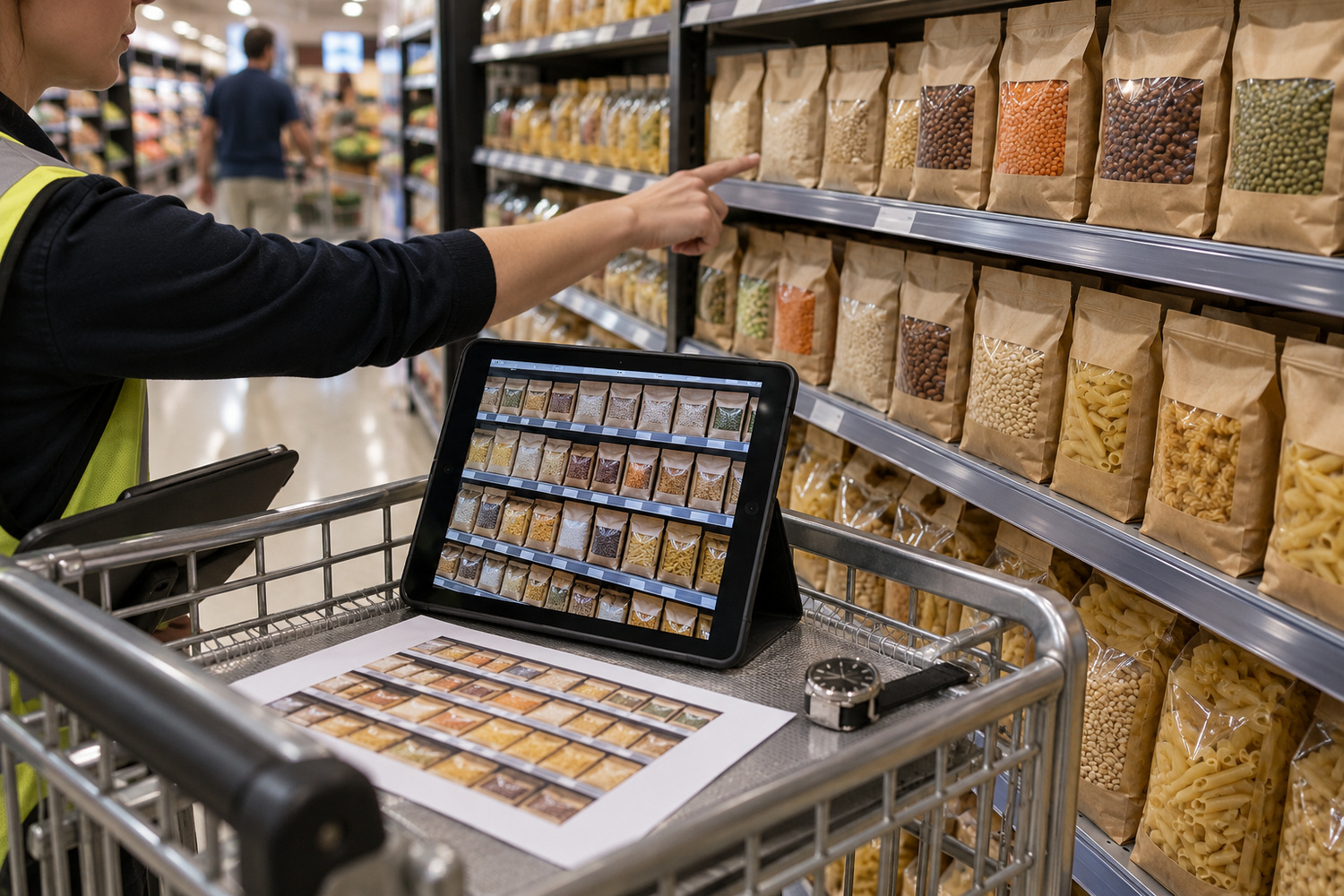
- A guided store walk showing the intended layout.
- A comparison between the view on screen and the shelf in store.
- Geo-tagged photographs of what was built.
- Compliance rated by the person in the field.
A recorded rating remains a human assessment. The comparison needs a clear reference and an account of any checks made; attaching a photograph does not make the assessment automatic.
Record whether a photograph or rating was checked, by whom and against which reference. A human judgement may be well supported, but saving it in a field system does not establish that a second check occurred. A later reviewer needs enough context to understand the basis of the judgement.
What can a shelf photograph establish?
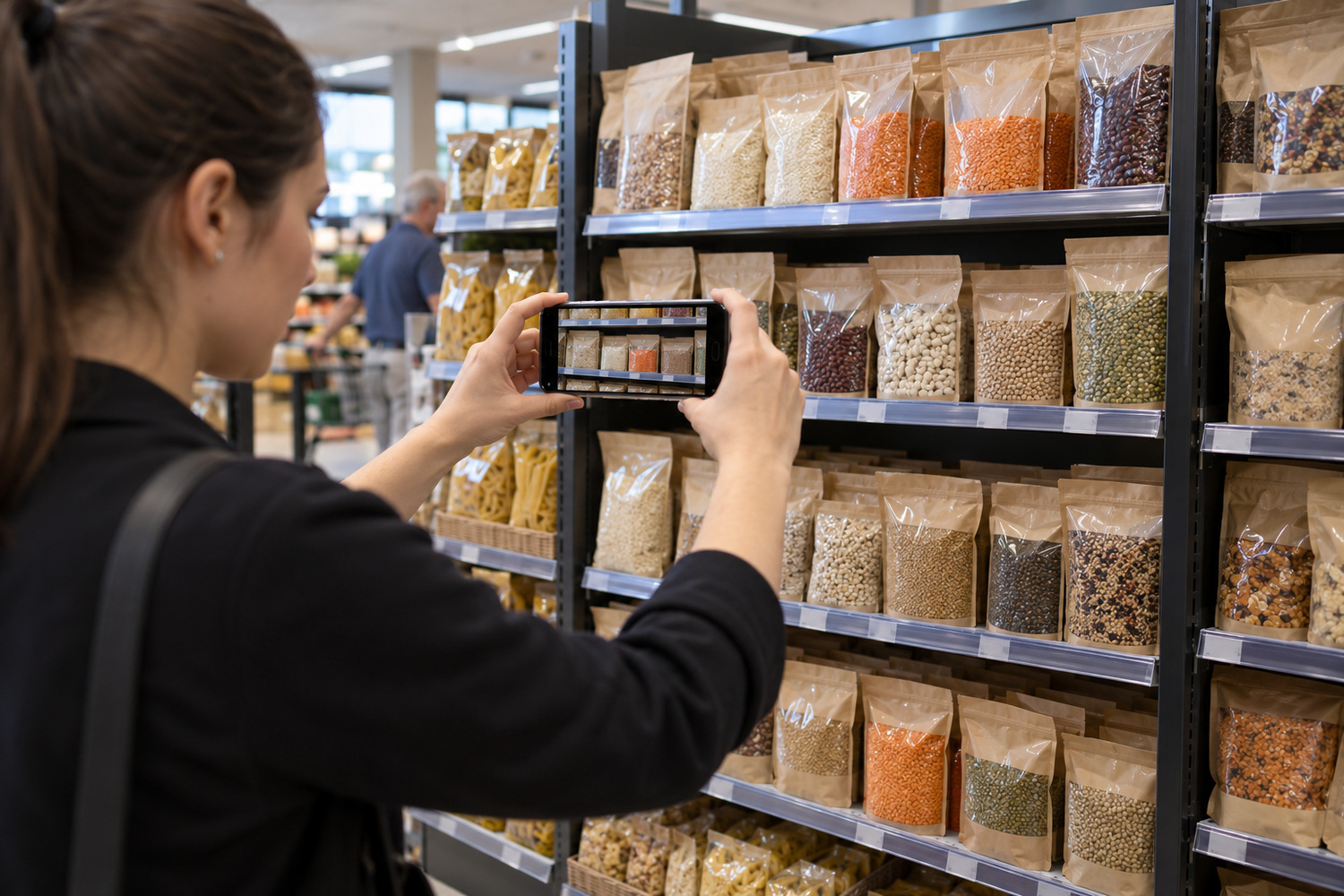
A photograph can support a finding about visible shelf conditions when its store, capture time and relationship to the reference are checked. Its field of view bounds what can be assessed. A tight shot of one bay cannot establish the condition of the bay beside it.
For example, a correctly dated Tuesday photograph may show the listed product on that shelf at capture time. It cannot establish continuous availability through the trading week. Repeated observations add evidence at other times; they still do not show what happened between visits.
An empty facing has several possible explanations. The new plan may not have been built, stock may have sold through, a delivery may be late or the proposed layout may not fit. The image can prompt those questions without choosing an explanation.
A geo-tag adds location information to the file. Check that it corresponds to the intended store rather than treating the tag as independent verification. It does not establish that the right fixture was photographed, that the whole category was covered or when the shelf last changed.
Before using an image to support a claim, ask what it needs to show. If the relevant product position sits outside the frame, obtain another view. If the question concerns stock movements or instructions received, a photograph alone cannot answer it.
Which stores does the result describe?

Keep direct observations, visit coverage and wider estimates distinct in the report.
A sample can support conclusions about a wider population. The Australian Bureau of Statistics explains that suitable sample design matters to that inference. Visiting every store is not the only valid approach, and a large visit count does not establish representativeness on its own.
| Report item | What needs to accompany it |
|---|---|
| Observed condition | The stores, dates, fixtures and applicable standards checked. |
| Visit coverage | Completed visits against the defined planned or eligible store set, with missing visits identified. |
| Network estimate | The population, collection and analysis method, including sampling where used, with uncertainty and limitations. |
If stores were chosen for convenience or because they had previously reported problems, say so. Either selection can affect the result; do not assume the direction or extent of that effect. Missing visits need explanation too. Establish whether omissions cluster by territory, format or another relevant condition rather than treating an unvisited store as compliant.
Store formats may differ in range and fixture. Dates may span campaign phases, and ratings may use different standards. Check those differences before combining results. They can affect comparability without making every comparison impossible.
Increasing an appropriately selected sample can reduce sampling error. It does not automatically repair recording mistakes, unclear measures or systematic exclusions. A view of geo-tagged rollout records can help identify where observations exist; the map alone cannot validate a network estimate.
How does the visit form affect the evidence?

A useful form asks a clear question that the person in the aisle can answer from the available evidence. Length alone does not determine quality. Remove fields with no decision purpose, while retaining what is needed to interpret the record.
Compare a vague request to rate a display with a defined check: does the photographed bay show the product positions specified in the applicable plan? The latter identifies what to compare. It still needs an adequate photograph and a way to record anything that could not be checked.
A graded score can be useful when its levels have clear criteria. The problem is an unexplained score, not the existence of a rating scale. Different raters may interpret even a shared reference differently; check agreement rather than assuming it.
Review a form for these faults:
- A question combining several conditions, leaving it unclear which one failed.
- A rating without criteria or the applicable reference.
- A compulsory answer where the item may be unobservable or not applicable.
Try the questions on realistic store examples before using them across a rollout. Compare how people interpret the same examples, and revise ambiguous wording or criteria. An unexplained blank should remain distinguishable from a recorded pass or a genuine not-applicable response.
These checks make the evidence easier to interpret. They do not certify every response or replace review of the collected records.
Which decision should the data change?
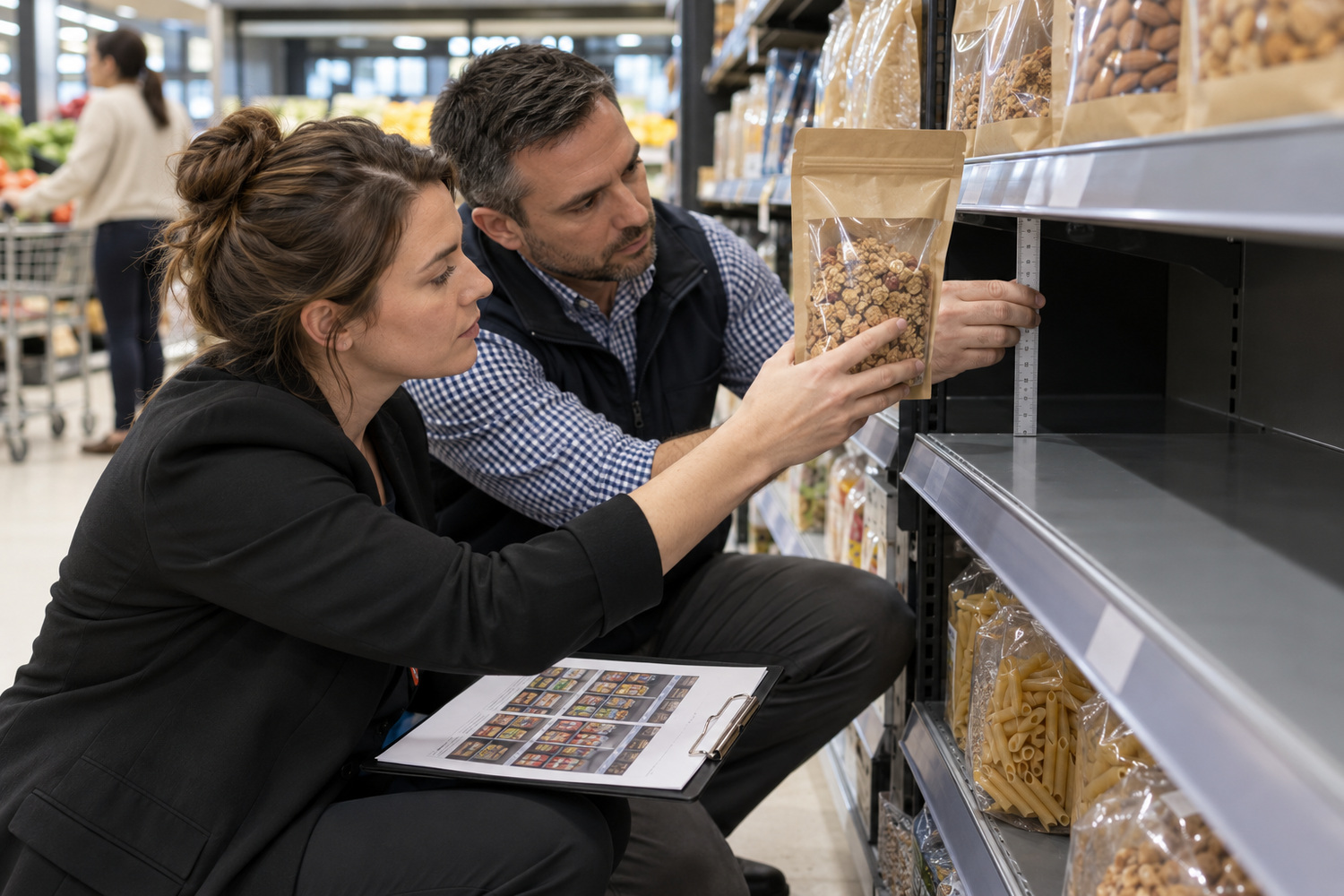
A recorded mismatch can justify investigating a store condition. It does not establish whether the cause is local execution or the issued plan. Keep the observation separate from that diagnosis.
Where a mismatch appears at one store, check the applicable instructions, fixture and stock position before deciding on a correction. A successful build elsewhere may help the comparison, but it does not prove that this store received the same suitable plan or had the same conditions.
Where a similar mismatch repeats across a format, investigate shared causes. These could include a fixture constraint, unclear instructions or supply conditions. The question of when the issued standard is wrong deserves examination; repetition alone does not prove that the layout was impossible to build.
That distinction affects who needs to act. A confirmed local build error may need a field correction. A confirmed mismatch between the plan and fixture needs the plan reviewed. Until the cause is established, describe the finding and the check still needed rather than assigning blame.
A shelf observation also cannot explain why a shopper did or did not buy. That requires different evidence. Questions about reliability in a simulated shopper study concern the research design and participants, rather than whether a field photograph covers the right bay. Neither method supplies evidence the other did not collect.
For a practical demonstration, discuss the reference view and field photograph with Storelab. Use a clearly identified layout and a relevant store image to explore how the supported comparison works. Keep any further requirements separate from what the published workflow establishes.
Open the next field report with the stores and conditions observed. If it also estimates network conditions, identify that estimate and its method separately. The decision-maker can then see which finding supports a store correction and which needs a wider evidential basis.
Frequently asked questions
What is mobile retail execution?
It includes recording how a store has implemented a layout, using a handheld device in the aisle. A useful record identifies the store, time, fixture and applicable plan so that the observation can be interpreted later.
Can a photograph prove a planogram was followed?
It can support a comparison of visible shelf conditions with the applicable plan when the image context is checked. It cannot establish conditions outside its frame or continuous compliance between observations.
How many stores need to be visited?
There is no universal visit count. A wider estimate needs a suitable collection and analysis design for the intended population and decision, including sampling where used. More visits alone do not remove selection or recording problems.
What is a geo-tagged photograph?
It is a photograph saved with location information. That information helps place the record but should be checked against the intended store. It does not verify the right fixture, full coverage or the sequence of shelf changes.