
What goes into a retail store design at enterprise scale
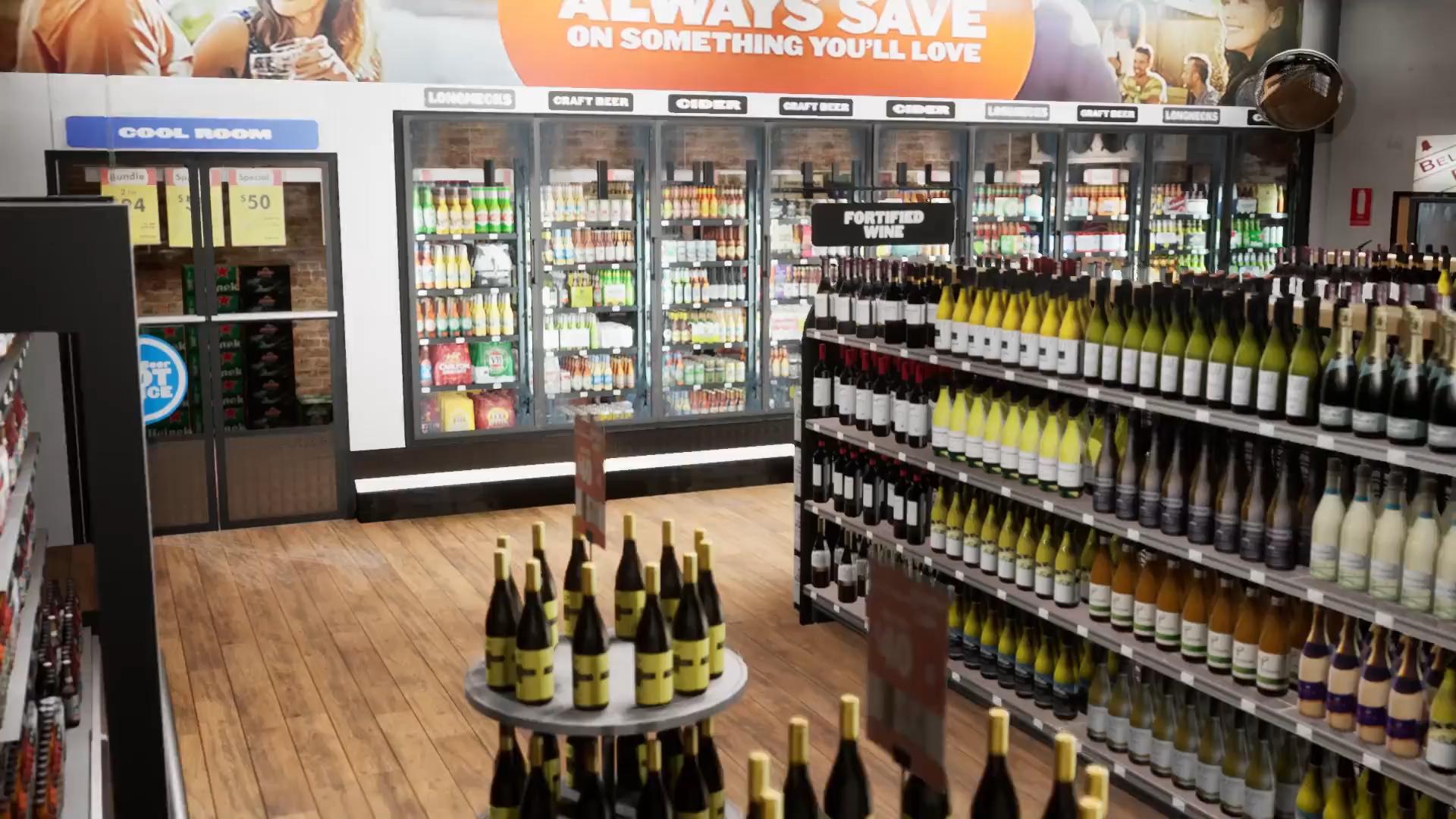
Most people hear ‘retail store design’ and picture paint swatches and shelf displays. At enterprise scale, it is a capital allocation exercise. A single store refit for a major retailer can run into hundreds of thousands of dollars, and layout decisions made during the design phase directly affect revenue per square metre for years after the doors open. Getting the design wrong is not an aesthetic problem. It is a revenue problem.
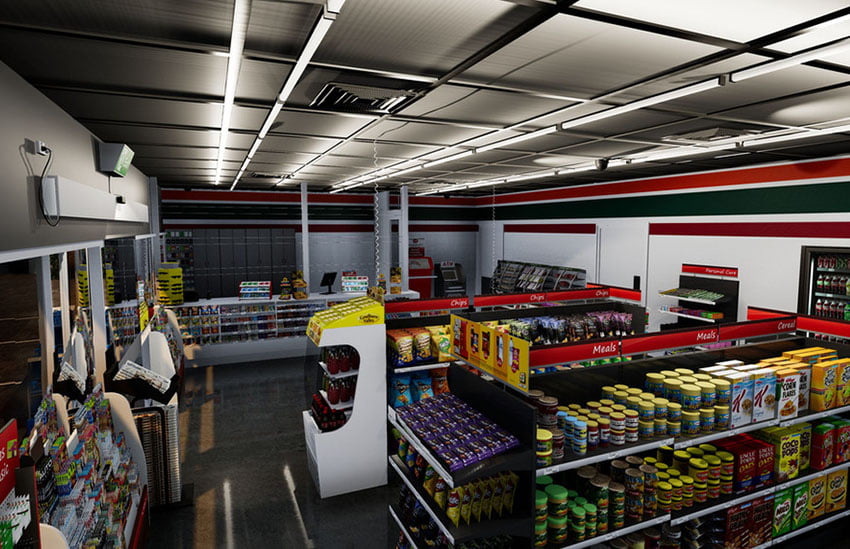
Enterprise retail store design is the process of planning how products, fixtures, customer flow, and brand messaging work together across a physical retail space. For businesses operating hundreds or thousands of locations, every design decision is multiplied across the network. Small errors compound into significant financial exposure, and design changes after construction are expensive to reverse.
The core components of enterprise retail store design
Customer flow modelling is the starting point. Retailers map how shoppers move through a space: where they pause, which aisles they skip, and where congestion builds during peak hours. This data shapes every other decision in the design process. Without it, fixture placement and category zoning become educated guesses.
Adjacency planning determines which product categories sit next to each other. Placing complementary categories together (bread near spreads, coffee near biscuits) increases basket size. Placing competing categories too close together can cannibalise sales from higher-margin lines. At enterprise scale, adjacency decisions are informed by transaction data across the full store network, not by individual store manager intuition.
Category zoning divides the floor into defined areas based on shopper mission and product type. Fresh produce near the entrance, impulse categories near the checkout, destination categories deeper in the store. The zoning strategy determines how much floor space each category receives, and that allocation directly affects revenue per square metre.
Fixture strategy covers the type, height, and configuration of shelving, display units, and promotional structures. Fixture choices affect sightlines, product visibility, and restocking efficiency. A gondola end that blocks the view of a high-margin category can cost more in lost sales than it generates in promotional revenue.
Sightline management is the discipline of controlling what shoppers see from key positions in the store. When a customer enters, what draws their eye? At the end of an aisle, which category or promotion is visible? Sightline planning is one of the most undervalued components of retail design, partly because it is almost impossible to evaluate from a 2D floor plan.
Where traditional retail store design methods fall short
Most enterprise retailers still begin the design process with 2D floor plans and static 3D renders. These tools handle spatial planning well, but they share a fundamental limitation: they cannot simulate the shopper experience.
A floor plan shows where fixtures go. It does not show what a shopper sees when they turn from aisle three into aisle four. A rendered image shows a single angle of a proposed layout. It does not reveal whether the new endcap blocks the sightline to the category behind it.
This gap between planning tools and shopper reality creates two problems. First, design flaws that would be obvious in the physical space go undetected until the refit is complete. Second, getting internal sign-off on a proposed design requires stakeholders to imagine what the finished store will look and feel like based on plans that do not convey the experience accurately. The result is slower approval cycles, more revision rounds, and higher project costs.
For single-store retailers, this inefficiency is manageable. For enterprises rolling out a design change across 200 or 500 locations, a flawed design that passes approval becomes a network-wide problem.
How simulation fits into the store design process
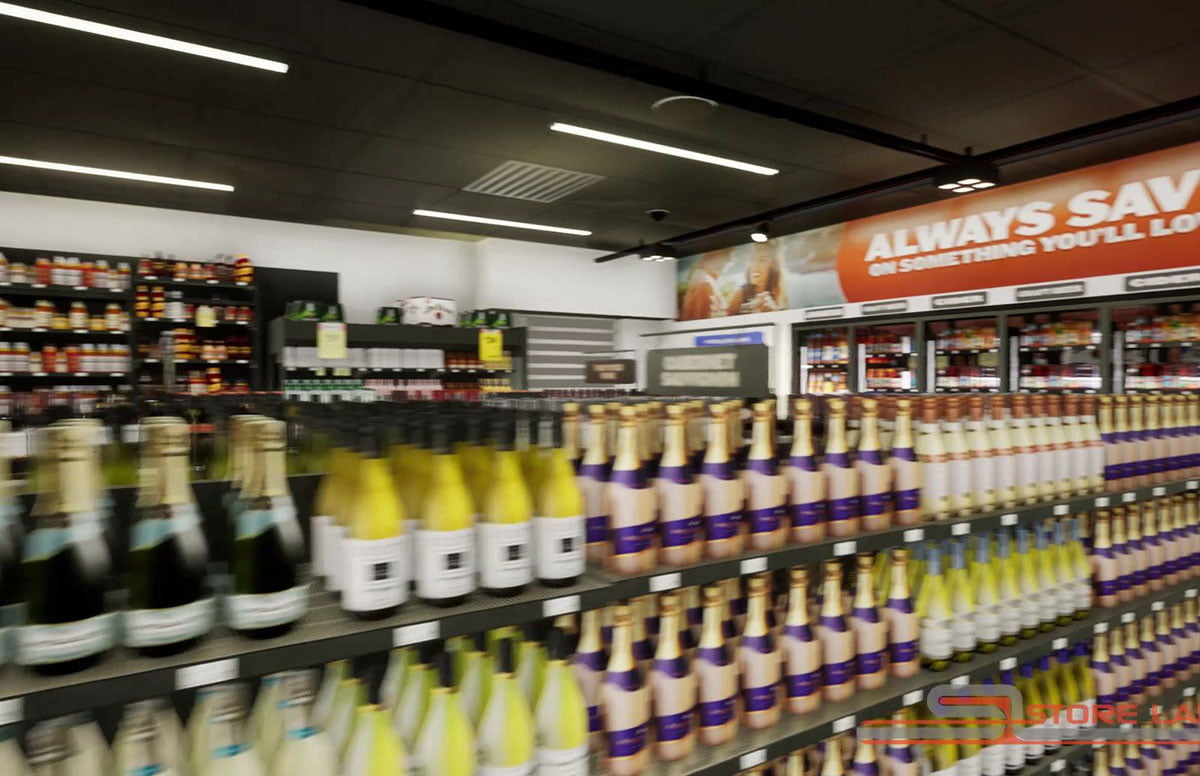
VR simulation adds a testing layer between design concept and capital commitment. Instead of building a physical mock-up or relying on renders, design teams walk through the proposed layout in a photo-realistic virtual environment before any physical work begins.
This changes three things in the design process.
Design flaws become visible earlier. Sightline issues, fixture height problems, and adjacency conflicts that are invisible on a floor plan are immediately apparent in a virtual walkthrough. Teams can identify and resolve these issues before they reach the approval stage, reducing revision cycles and protecting the project timeline.
Stakeholder alignment accelerates. When decision-makers can walk through the proposed store rather than interpreting a floor plan, the gap between concept and understanding closes. Storelab’s Connect platform, built on more than 35 years of retail solutions experience, generates photo-realistic VR environments that allow category managers, merchandising directors, and executive teams to evaluate design proposals from the shopper’s perspective. Approval timelines shorten because the design communicates itself.
Simulation enables controlled testing. Eye-tracking research within virtual environments reveals where shoppers actually look, how long they spend in each zone, and which products they notice first. This data transforms retail store design from a qualitative discipline into a measurable one, giving design teams evidence to support layout decisions rather than relying on experience alone.
What to look for in a retail store design partner or platform
Enterprise retailers evaluating design partners or platforms should assess four capabilities.
Fidelity matters because low-resolution simulation produces unreliable results. If the virtual environment does not accurately represent fixture heights, product packaging, lighting conditions, and spatial relationships, the insights drawn from it will not translate to the physical store. Look for platforms that produce photo-realistic environments with accurate product representation at the SKU level.
Speed determines whether simulation integrates into your design workflow or creates a bottleneck. The platform should turn around a virtual environment fast enough to fit within the project’s approval cycle, not add weeks to it.
Research capability separates basic visualisation from strategic decision support. Eye-tracking, heat mapping, and shopper behaviour analytics within the virtual environment provide the data layer that makes simulation commercially valuable, not just visually impressive.
Integration with existing tools is a practical requirement. Most enterprise retailers already use space planning software such as JDA or Spaceman for planogram management. A simulation platform that can ingest planogram data directly, rather than requiring manual rebuild, reduces setup time and improves accuracy.
The businesses getting the strongest results from store design are the ones treating it as a data-informed discipline. They test layouts before committing capital, measure shopper response before rollout, and close the gap between what a plan shows and what a customer experiences. Storelab’s platform gives retail and FMCG teams a way to see, test, and refine store designs in a virtual environment before a single fixture moves. Book a demo to see how it fits your next project.